April 2022
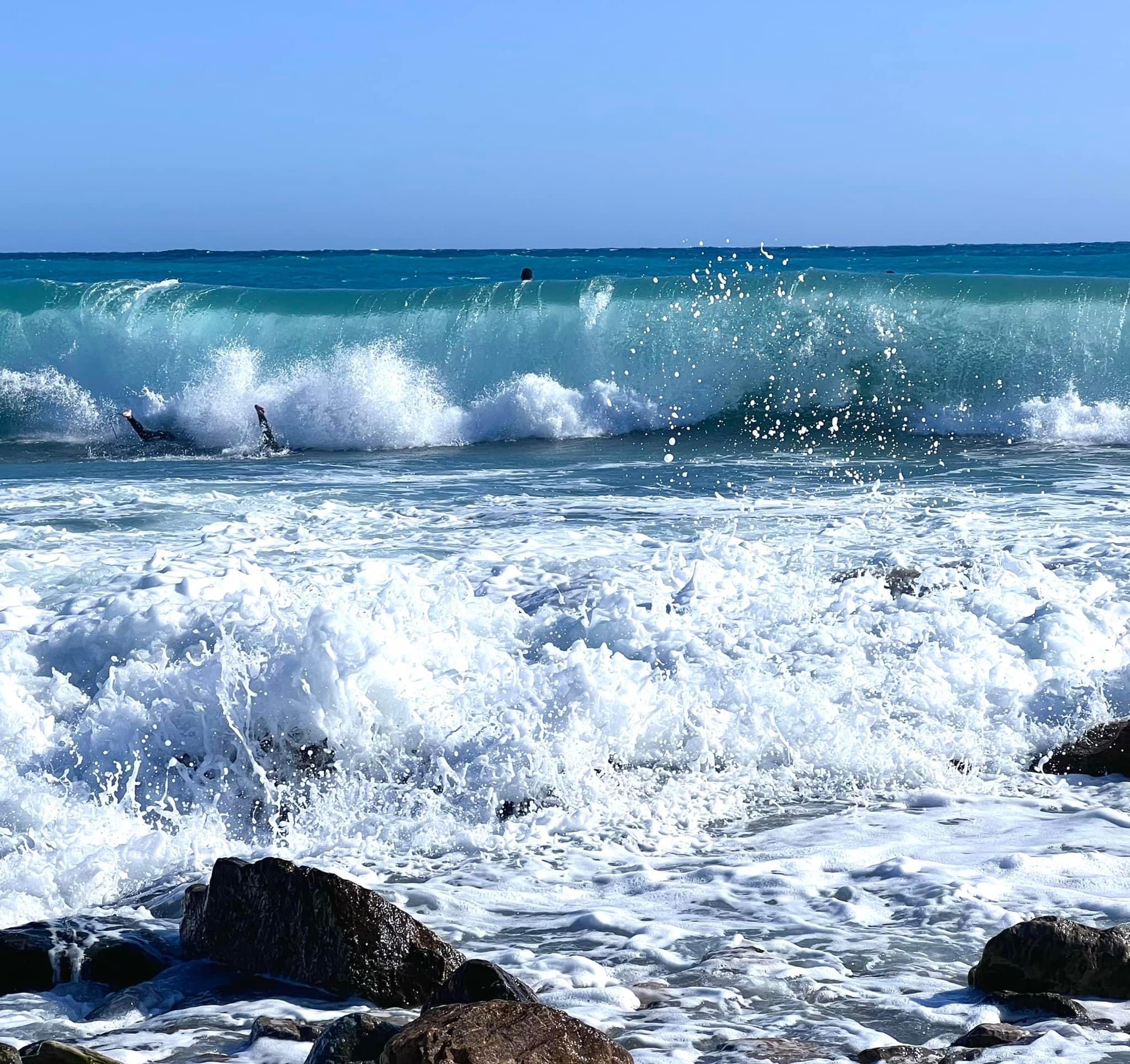
Driving into La Herradura, you drop down from the mountain highway toward a small circular bay (Herradura means horseshoe,) with the town hugging the coastline. Along the hillside, scattered expensive houses look down on the bay. When we arrived the weather was windy and dark so there were dramatic waves banging the gleeful surfers around in front of our hotel.
Fairly regularly we rent a small car to make these local trips around the area. Reserving online and picking up at the train station is easy, if not really cheap, but you can see much more than if you take the train or bus. It’s about an hour and a half from Malaga. Our friends, David and Elena (chef team detako) have opened a restaurant of their own (detako gastrobar) here in Herradura so we came to enjoy some of the delicacies of the house and expand our local horizons a bit.
We checked into the Hotel Peña Parda (129€ per night), right on the coast. It’s a small, charming boutique hotel and our room had a little terrace facing the sea. It continued to rain and storm the rest of the afternoon so we cracked open a bottle of wine and enjoyed the view for a few hours before setting out to walk along the main street.
The pretty town is small and sleepy this time of year. There were the normal casual bars and eateries along Calle Segovia, some with locals hanging out, some empty or closed for the season. Also a lot of shut down vacation rentals. The noise of the strong waves is everywhere. Typical of Spain (or anywhere?) there were clumps of bored teenagers hanging out on corners or slouching around the little tourist shops. It’s possible we were the only tourists in town that day.
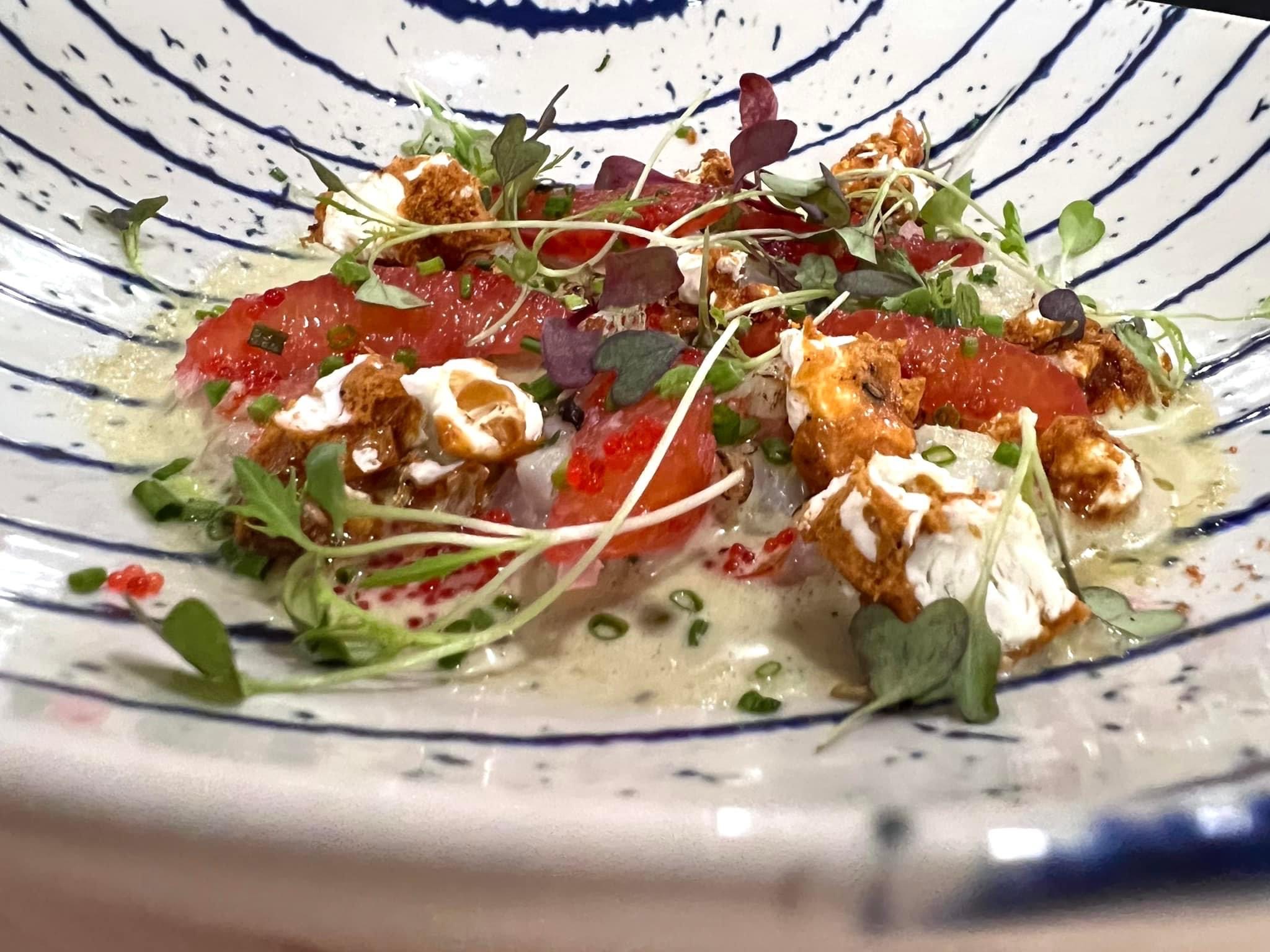
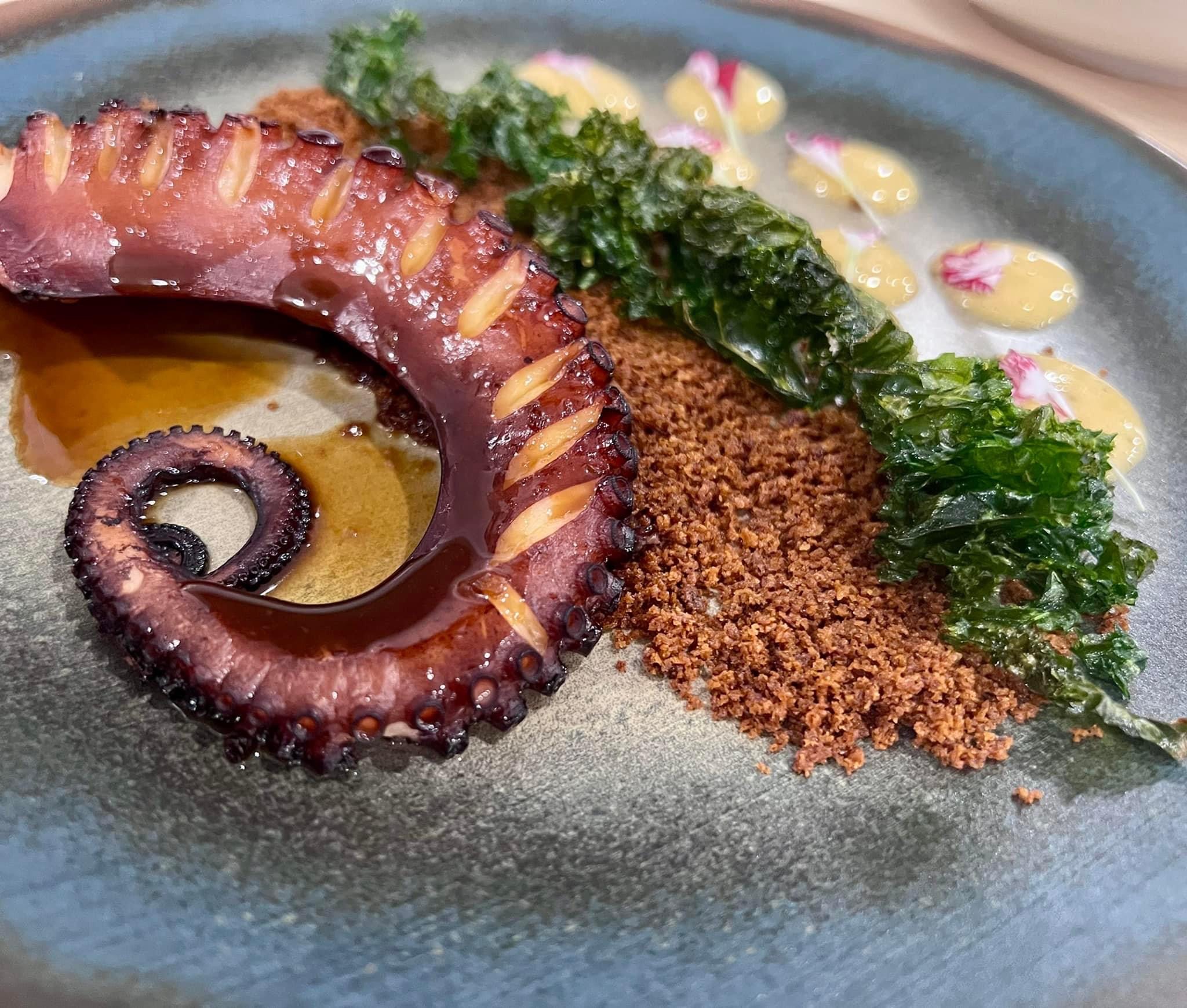
Next day, our lunch at detako was as fantastic as we knew it would be. I had the amazing Jumbo shrimp ceviche in Thai tiger’s milk with caramelized spicy popcorns (10€) and it was everything that sounds like. Hector had Pulpo Gallego (octopus from Galicia) that even I, a renowned mollusk-phobe, loved. The space is very light and inviting and we could see they are already developing a loyal following.
Next day, we drove over to Nerja to see the famous Cuevas de Nerja, a must-see for visitors and it’s shameful we hadn’t been there before. It is one of those deep, deep expansive caves that form along steep coastlines all over the world. This one was formed 5 million years ago and there is evidence of previous human habitation as far back as 25,000 years ago. The rock paintings are not on display as they are rightly being preserved and we don’t need you carving your initials on them.
We were first in line on Saturday morning, many many stairs down to the bottom, really very many. You pass through a series of several large caverns, the first one large enough to host occasional opera singers and you know how they love acoustics. Narrow catwalks take you up and around the perimeter of the larger caverns, with some of the more spectacular stalactite formations lit from below. I won’t bore you with my breathing techniques at these kinds of heights, but suffice to say that after an hour I had had enough, and returned to the land of sunshine and parking lots. It’s hard to capture good photos in a place this dark, with flash prohibited, but I think Hector did a good job, and the place really was spectacular. Honestly, I would return anytime.

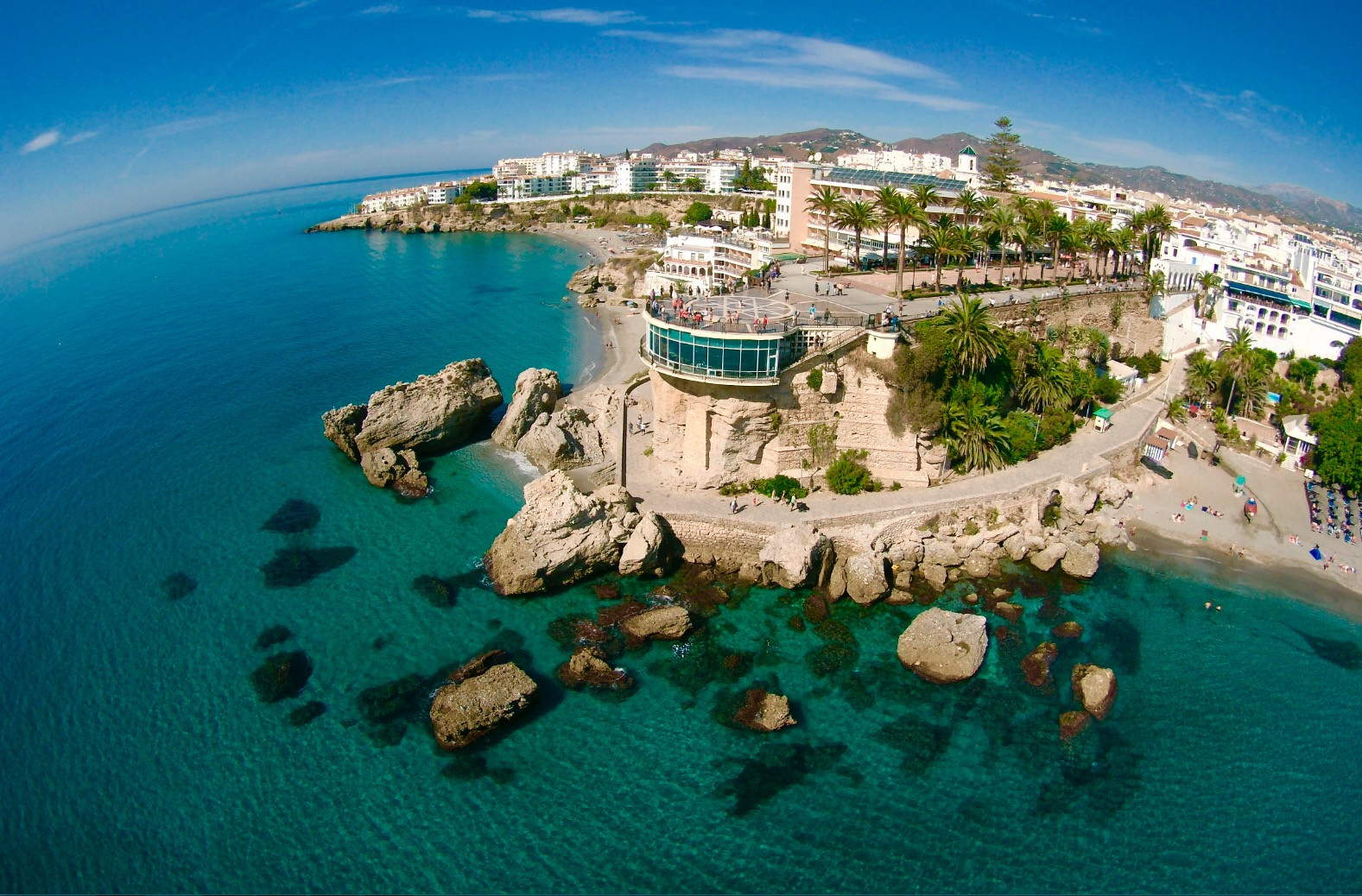
We then drove into Nerja, a small city on the coast, very popular with Scandinavian tourists, as well as the more ordinary ones. We strolled along the Balcon de Europa, had a glass of wine in the sunshine with the locals, then made it back to Herradura in time for a late lunch.
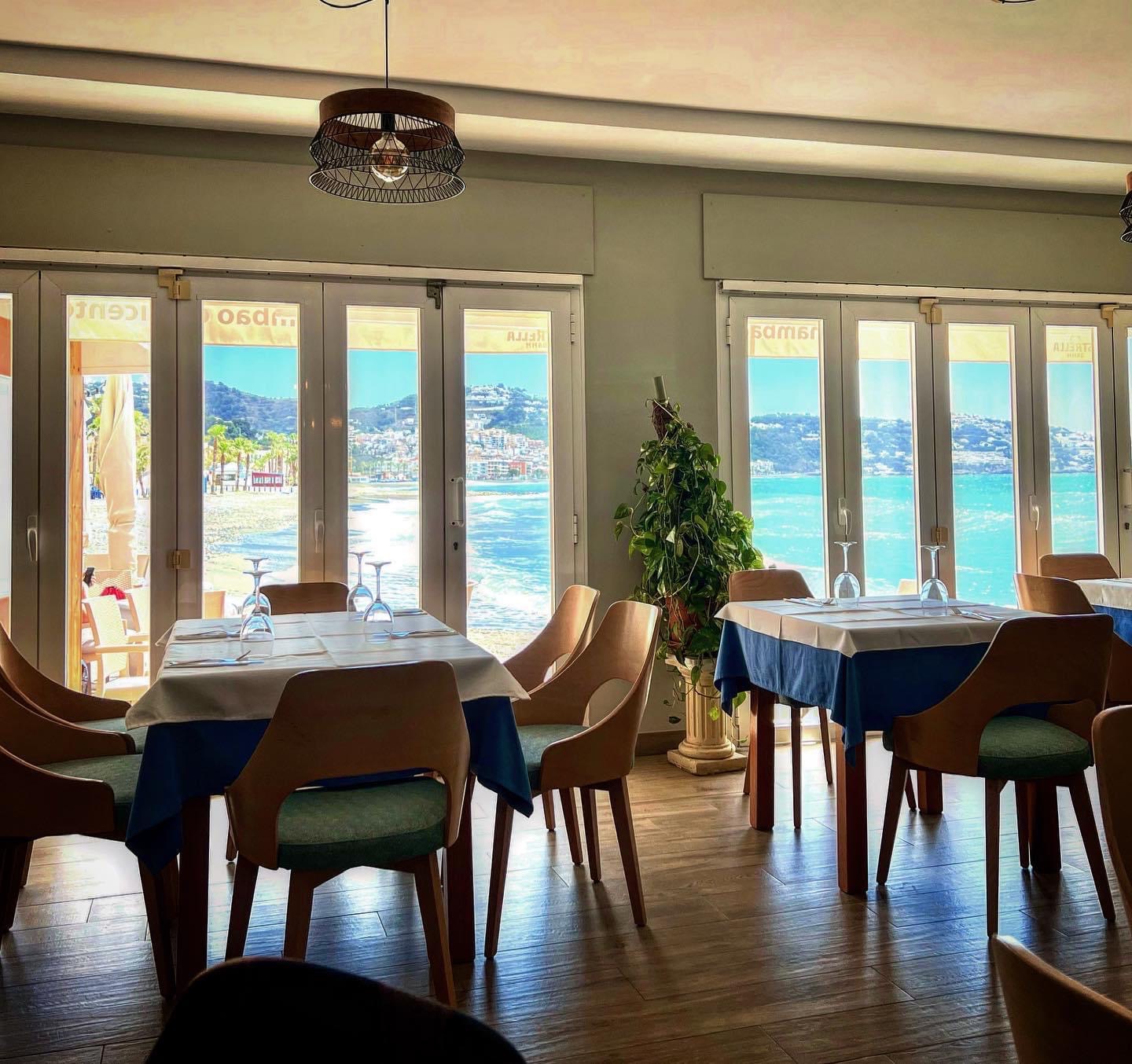
Chambao de Vicente is a beautiful chiringuito/ seafood restaurant in Herradura, and it was recommended by one of Hector’s friends in Mexico. We met the owner, Antonio, and his partner Jose Luis, while we ate lunch, overlooking the waves. It was right down from our hotel so we could stumble back to our room after 3 hours of seafood and wine.
I don’t know the actual translation of chiringuito, but it is the term used for beach cafes and bars, and the name, according to my Spanish teacher Juan Luis, implies something like a beach shack. But these days most of them are upscale and very nice, and can be quite expensive, but there is something irresistible about fresh seafood cooked over an open fire and served at the beach. In high season, finding a lunch table at one of Malaga’s chiringuitos is impossible without a reservation.
Monday morning, back to Malaga, dropped the car, walked home from the train station. And so, what’s for dinner?
 travel eat repeat
Sounds lovely!
LikeLike