Cuenca

February 2022

Parador de Cuenca

In Spain, if you mention the city Cuenca in casual conversation the Spaniards around you will begin to quiver and a look of gleeful expectation will appear on their faces. This is because they can hardly wait for you to stop talking so they can share their favorite sexual innuendo, “Mirando pa’ Cuenca,” which translates as ” looking toward Cuenca.” And this means that you are getting it from behind, doggy-style. I don’t know where it came from and I feel sorry for the city of Cuenca, because it’s usually the first thing you’ll hear about it.

Aside from that, Cuenca is a beautiful, authentic Spanish city that was first established by the Muslims. It hangs over a very dramatic, deep gorge with the historic center built terrifyingly right on the edge. Like all of Spain, its fortunes went up and down over the years and during the end of the Franco era it began to recover a bit. Now it’s a semi-sleepy destination in the region of Castilla-La Mancha, southeast of Madrid. It’s mostly visited by Spaniards, and not many of them while we were there.

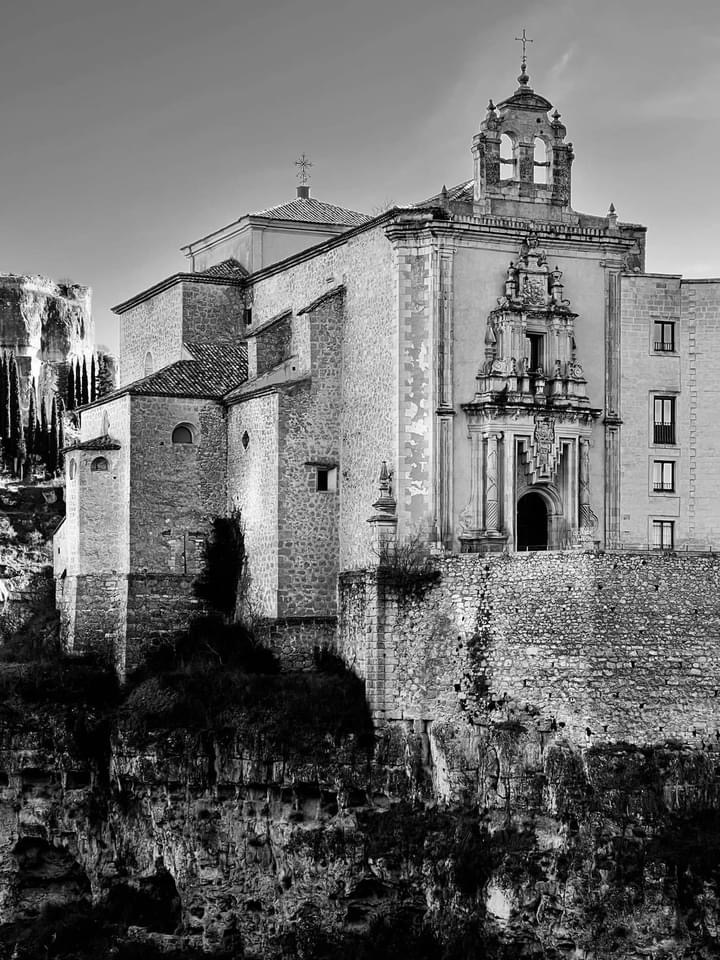
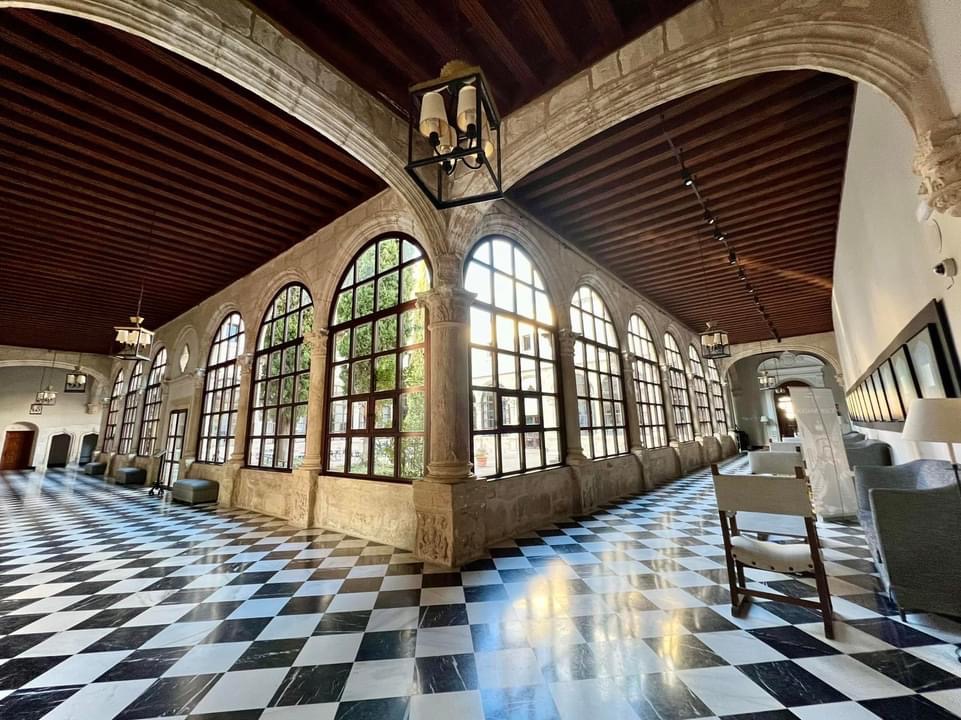
One big attraction is the Parador de Cuenca, located inside what was once a monastery. It’s a state-owned hotel with very grand public areas and comfortable but basic guest rooms. (125€ per night) If you join amigos de Paradores, there are specials and discounts for the entire national chain. We got an upgraded room since we are amigos.
Parador de Cuenca

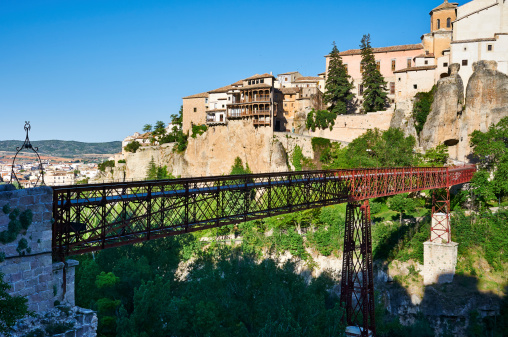
There is a famous narrow footbridge that crosses from the Parador over the gorge to the old town but I refused to go near it, although we saw plenty of people crossing, even a mother pushing a baby carriage in a high wind. The railings were about waist high. We asked a taxi driver if people ever jump off and he said of course they do.
Footbridge in Cuenca

We chose to cross the gorge down at the bottom, as God intended, and then climb back up on the other side. Perfectly fine. The Centro Historico is long and narrow; it follows the hillside as it rises toward a peak. As we discovered in Northern Spain, there is a somber aspect to a lot of old cities here. Building interiors are dark, public spaces often small. A large population of seniors and bored teenagers, but people were friendly and welcoming. It’s really an inviting downtown area because it’s compact and there is a view of the gorge from practically every corner. We didn’t visit the famous Hanging Houses (Casas Colgadas), but you get the general idea from the name.

Cuenca has a beautiful restored cathedral, one of the first in Spain built in the Gothic style. Construction began around 1200, and it is worth a visit of a couple of hours, with incredible chapels and a large outdoor courtyard overlooking the gorge. Hector climbed up to the top of the reconstructed tower and reported back that I was wise to have abstained.

We had a couple of tapas and wine dinners at the Parador bar, along with an oddball assortment of guests and visitors. For our last lunch we discovered Raff San Pedro, a fantastic restaurant in the ancient stables of a former mansion, traditional Spanish with a flair. We both had the daily tasting menu (50€ for 11 courses) and some good wine. The place was very busy on a weekday and they warned us not to appear one minute before our reserved time.

Raff

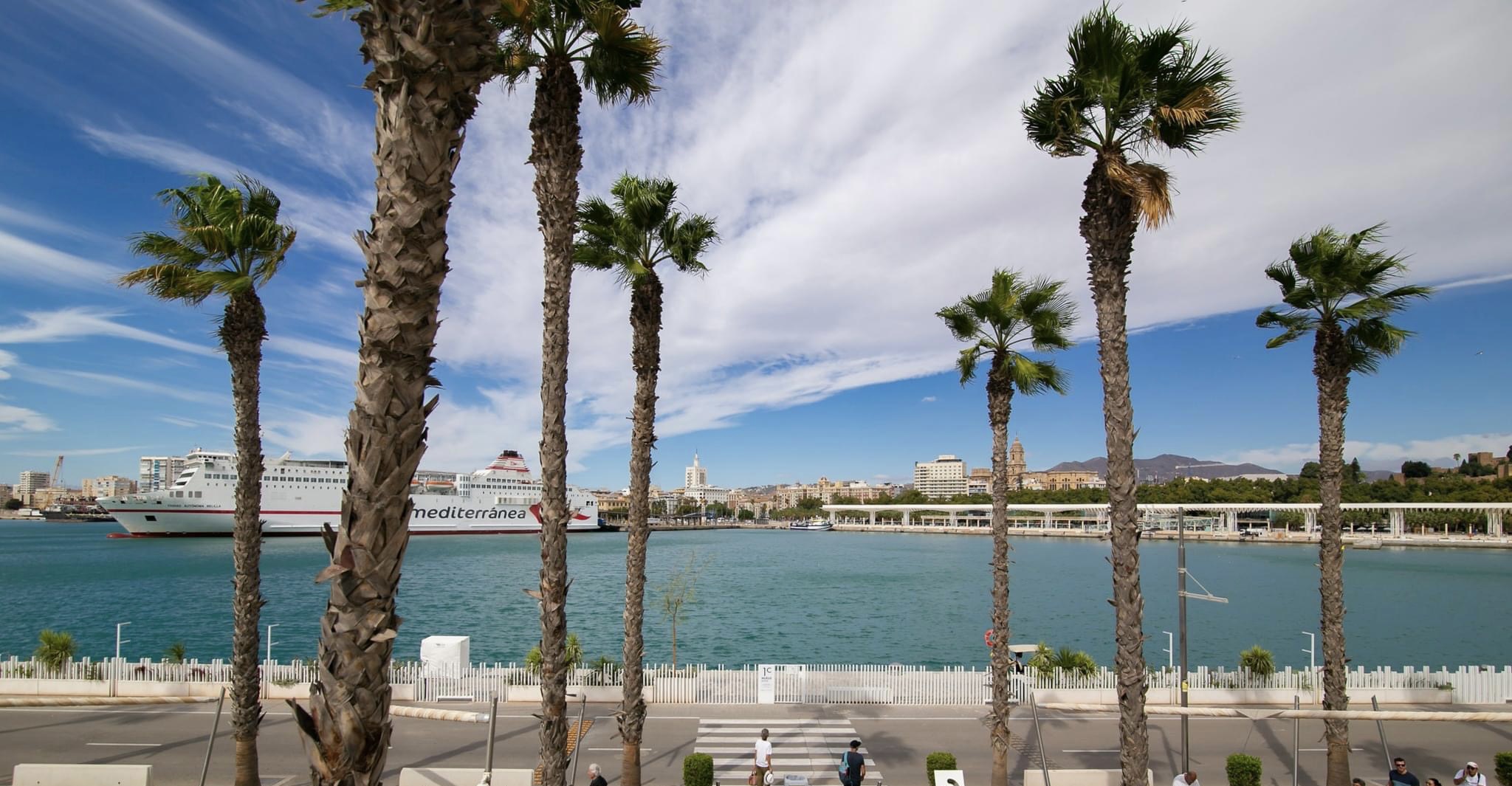
The weather was mostly sunny and cold, but we were treated to a rain storm that we watched from our hotel window, overlooking the gorge. We caught our train back to Malaga, with a change-over in Madrid. As always, walking out of the Malaga train station into the Andalusian sunshine was like a hug.
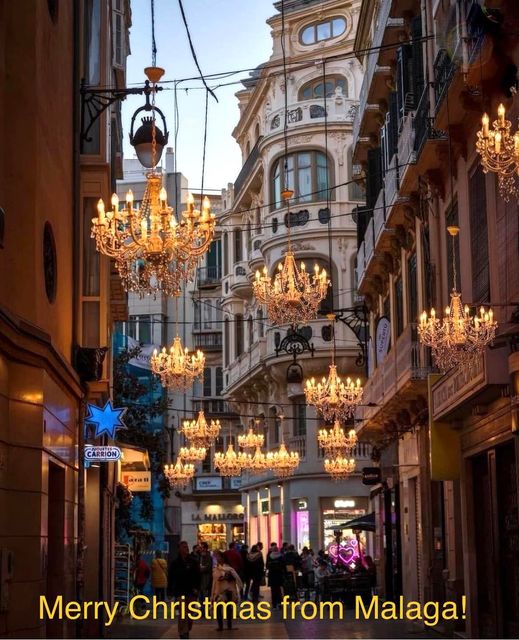
Holidays in Malaga!

December- January

We had a couple of weeks to really enjoy the leisurely beginning of the season here. In previous years, the restaurants and bars would already be packed with all-day family lunches and endless office parties where the employees/ revelers take turns being hunched outside on the street smoking. It was a bit less frenetic this year but we still had a cautiously excited air about us here. Sort of a fingers-crossed-and-don’t-look-too-eager anticipation of something that might be like a normal Christmas.

We had a fair number of cafe-sitting/ people-watching / waiter-gossiping afternoons at favorite hangout, Bouganvilla. We met with local buddies Anna, Juan and Laura, enjoyed Antonio Banderas in a production of Company at Teatro Soho, and watched the annual drawing of the Spanish Lottery on TV, a truly bizarre hours-long annual spectacle on the morning of December 22, in which orphans draw the numbers and sing the results. This has been going on since 1814. Hector won 10€ but I haven’t seen any of that yet. It’s a bit different from the US-style lotteries. Here, you purchase a portion of a number (a 100th costs 20€) so there are potentially 100 different people sharing in the grand prize. A few years ago, an entire village shared a number, and they all won, except for one local curmudgeon who had refused to go in. I suspect this story is some sort of rural Spanish parable but I hope it’s true and I encourage you to spread it around.

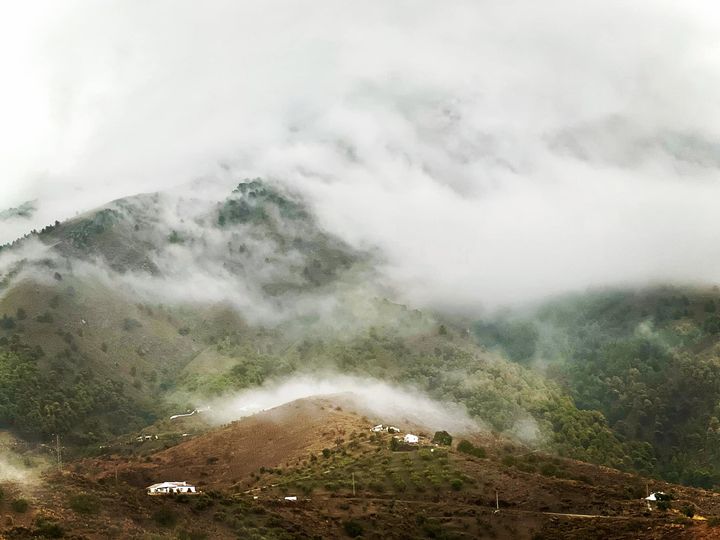
We then rented a car and drove up to stay with Al and Marc at Cortijo el Carligto, a return to our pre-covid Christmas routine. The weather was cold and sprinkly, with a fog hanging over La Maroma, their nearby mountain. It was very romantic and called for many glasses of red wine over the 4 days we were there. I think someone may have driven down the mountain for provisions but it certainly wasn’t me.

Cortijo el Carligto

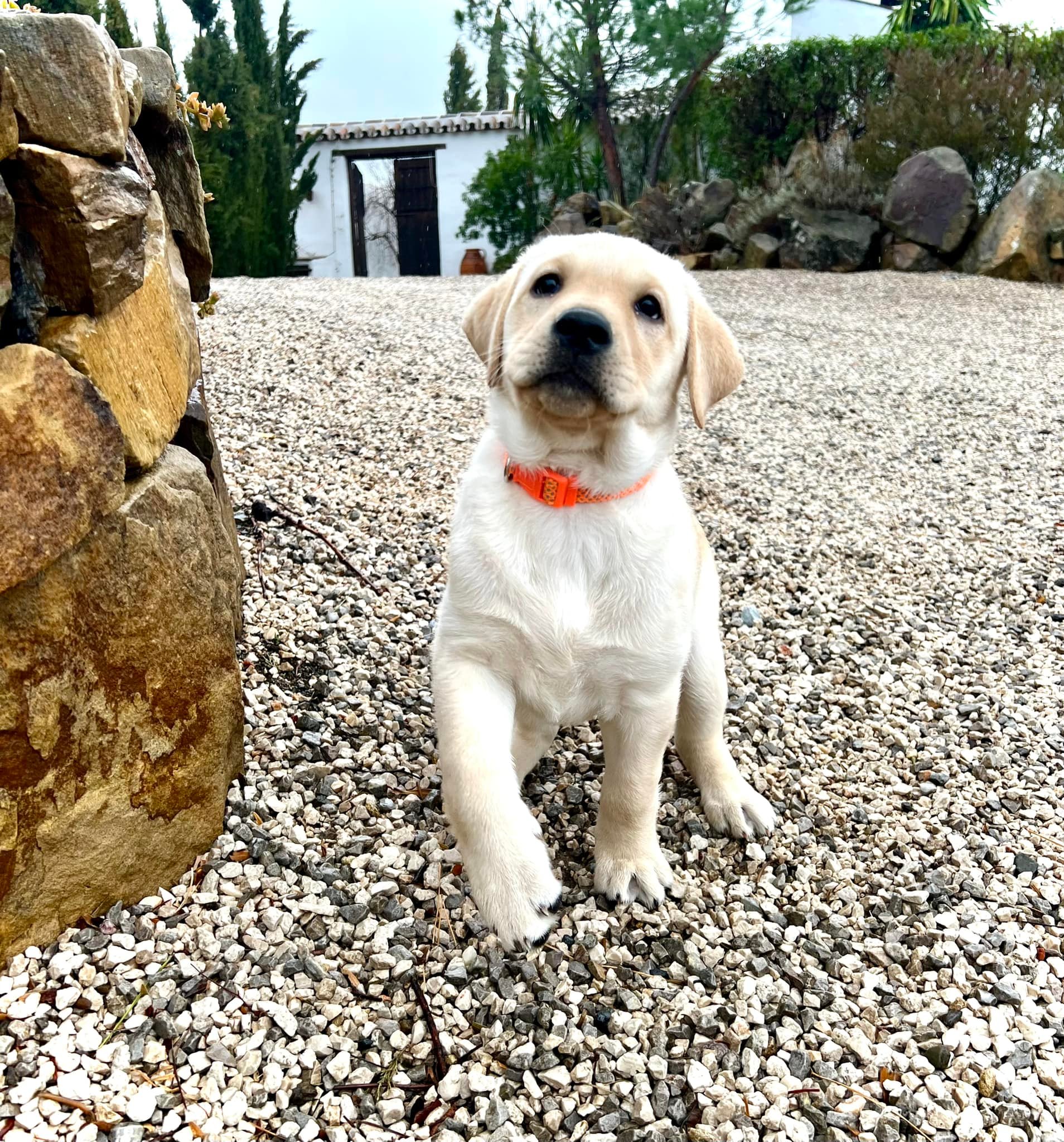
We were lucky to get de tako to make a lunch one day in between all their holiday gigs, and otherwise we spent a lot of time playing with Al and Marc’s new lab puppy, Ya-ya. Look at that face. Who’s a good girl?

Ya ya

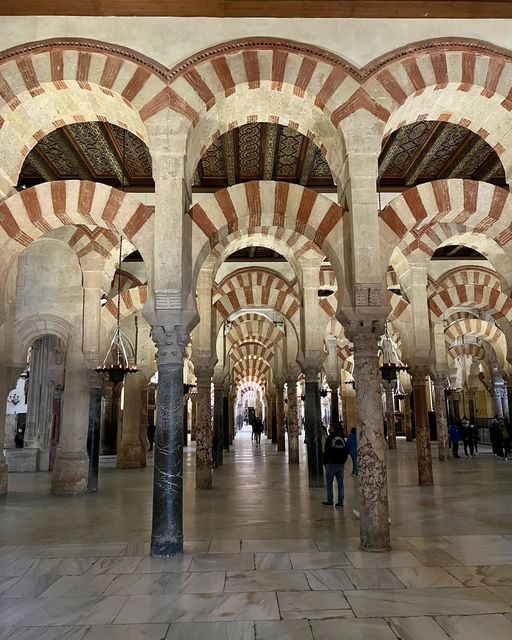
Then, before New Years, Hector’s brother Fernando and wife Debbie came over to visit from Kentucky. We showed them our local hangouts and did a lot of walking around town. Day trip on the train to Cordoba to see the Mezquite (Grand Mosque) de Cordoba. It’s an amazing building. Construction first began in the 780’s by Abd Al-Rahman I, after the Moorish conquest of Al-Andalus (Andalusia). Successive Muslim rulers added on to it, making it one of the largest mosques in the world. Then, in the 1100’s it was inevitably re-dedicated as a Catholic Cathedral, and it remains one today. Mass is still held daily in the ornate Gothic nave, which sits smack dab in the center of the far more serene Islamic Mosque. Imagine strolling through the New York Public Library, then stumbling upon a rehearsal of RuPaul’s Drag Race.

Public New Year’s celebrations were cancelled this year, so that meant it affected us not at all, but Fernando and Debbie had to fend for themselves in the party department. Then we all had a delicious New Years seafood lunch at our local beach restaurant, Chiringuito Oasis. It’s always nice when our visitors get to see Malaga during great weather and we had lots of sunshine.

The annual Kings Day Celebrations came and went without us really noticing them. The parade was held (see my post King’s Day!) on the evening of Jan 5 but the next morning there was no sign of it. It’s hard to socially distance when you’re crammed together watching a parade and Malagueños have been reluctant to risk any more lockdowns so I can’t imagine there was a huge turnout.

Continuing in the family mode, my niece Hari came down for a few days after her visit to Madrid, then nephew-in-law Patrick visited us, since he now lives in Madrid. It feels good to have family passing through.

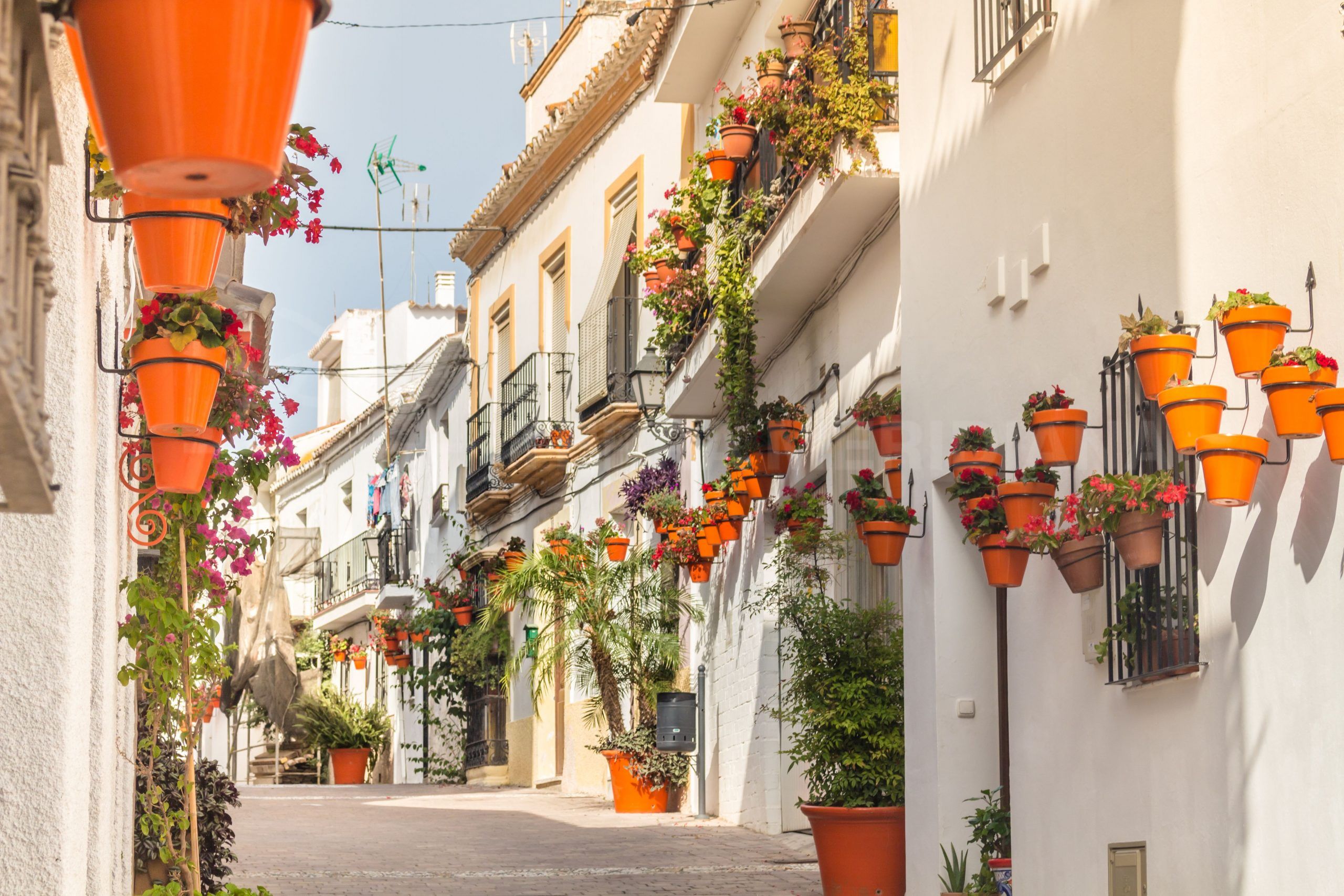
We had heard about Estepona from our former landlords, Gary & Ralph, so we hopped on our local bus (Avanzabus.com 20€ rt) heading west and in 90 minutes we were there. It’s a small seaside community near Marbella, very popular with Scandinavian expats, which may explain why it is so clean and tidy. We saw no graffiti and for Spain, that’s saying something. They have a lovely seaside promenade. We stayed at the wonderful El Pilar Andalucía Hotel, situated right on the Plaza de las Flores. The town was pretty quiet, well… dead actually because it was right after all the Kings Day celebrations, but I’m not one to complain about that. For three days we strolled the town, had some good meals, walked along the coast and pondered what it would be like to live there.

Estepona

Back home to Malaga, where we have a brief period of quiet streets and empty restaurants. But Carnaval is approaching, I can feel it coming. Malaga is not a city that shirks its celebratory duties.

Autumn travels

October-November 2021

Prepare a tall cocktail or roll yourself a fatty because there’s a lot to get through, what with our visit to the US, a steady flow of family and friends through Malaga, and Christmas at Cortijo el Carligto, not to mention our getaway to Estepona. My God where to begin?

After a surprising number of summer friends/ acquaintances streaming through the Costa del Sol, and a brand new Malaga apartment, we returned to the US at the end of October after negotiating our way through the current Covid obstacle course (Antigen tests, QR Codes, Vax cards, temperature guns pointed at our skulls.) In reality, it was actually pretty stress free and a lot of that was down to coughing up the bucks for business class, with its perks like lounge access, early boarding and first dibs in the immigration line.

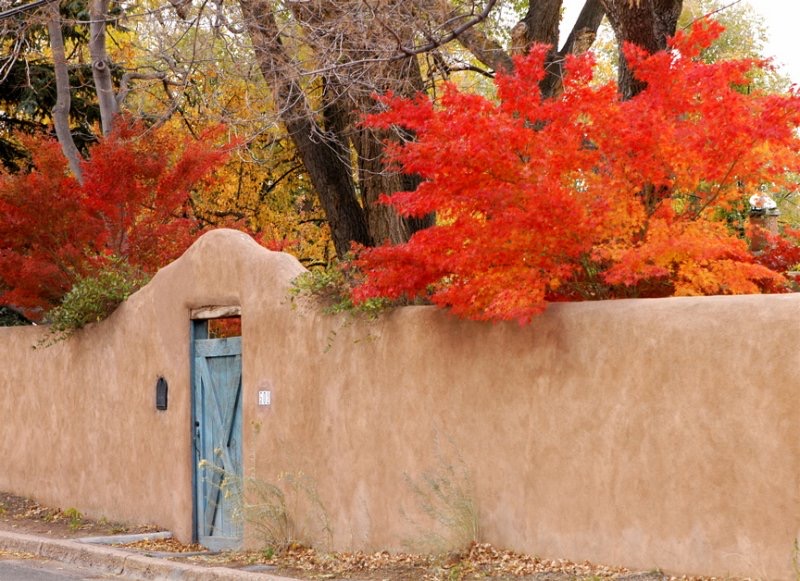
We arrived in Santa Fe in time to catch their gorgeous autumn, spurred by healthy rains in the summer. It really was spectacular.

Santa Fe New Mexico

We also attended a Halloween party, the first in a long time. We went as characters from the Netflix show, Money Heist (Casa de Papel) which I have never seen, but apparently I was the one named Berlin.

Otherwise, we got to see old friends at least once, we made some gorgeous drives to take in the scenery we have missed, ate at a few of our favorite places and discovered some new ones, like Sassella and Horno. We hit the casinos a few times and were surprisingly lucky. Hector flew to San Diego to attend the wedding of his cousin in Mexicali. Santa Fe was cold but no snow, alas. We got our Moderna boosters, at WalMart of all places, where we shopped for underwear as we awaited out turn.

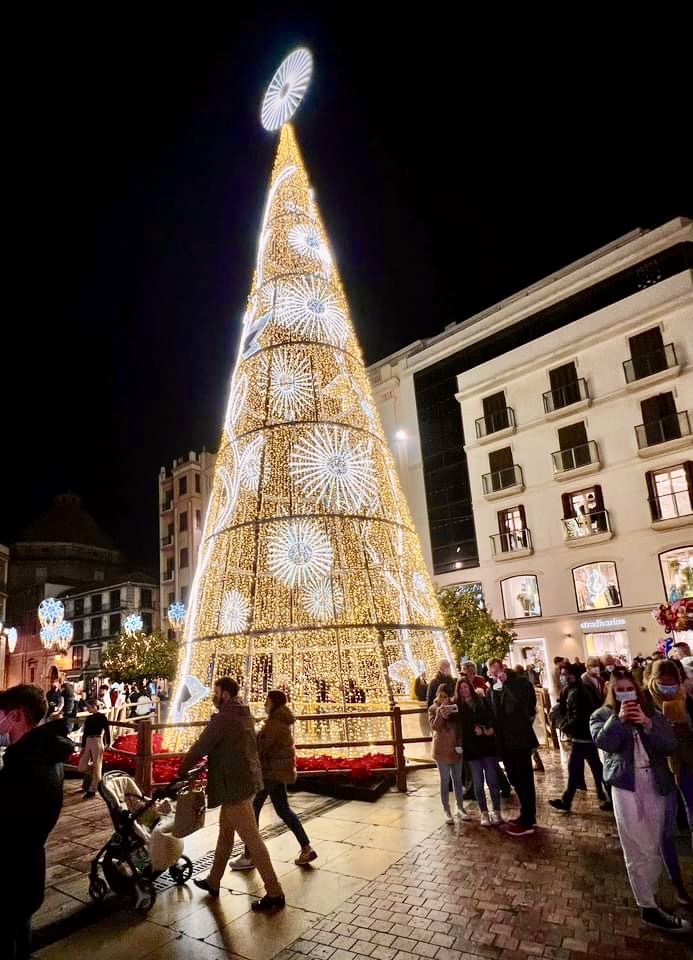
After 3 weeks, a happy return back home to Spain. Albuquerque-Dallas-Miami-Madrid, with some upgrades along the way. We caught our train back to Malaga, dragging extra suitcases of junk from our storage unit. Malaga was in the process of decorating for Christmas already, which really you have to experience to believe. Malaga is renowned in Spain for its light shows during the holidays. There was a definite new festive feel in the air since it was the first time in nearly two years that the city was able to be even slightly welcoming to visitors.

Decorations at Plaza Constitucion.

Also newsworthy, winter had arrived. We left with tans! It may have been 59 degrees in Malaga but the Malagueños had pulled out all their parkas and scarves and were very clearly freezing to DEATH, even as the Swedes continued to bob, topless, in the icy Mediterranean.

We were home for one day, then our Los Angeles travel buddies, Tere and Martín, arrived for a visit. They had seen the tourist stuff before so we spent a lot of time visiting Malaga’s restaurants and watering holes. We had a fantastic time with them, as we always do. We ate authentic Mexican food (next to impossible to find here) at our friend Miguel’s house, and chef team detako designed a fantastic lunch at our house.

Tere, Martín and Hector then went on a late pub crawl and I awoke the next morning to find Tere bruised, Martín face down on the sofa, and Hector with a broken arm. The truth is shrouded in secrecy as they all claim amnesia. Nevertheless, we pulled it together and left for 2 days in Granada. There we stayed at the Palacio de Santa Paula hotel and visited the Alhambra, which we do every time (see my post Granada.) It was drizzly and cold there. Cozy and fun, actually, with the rain in the courtyard of our hotel, the former Santa Paula Convent.

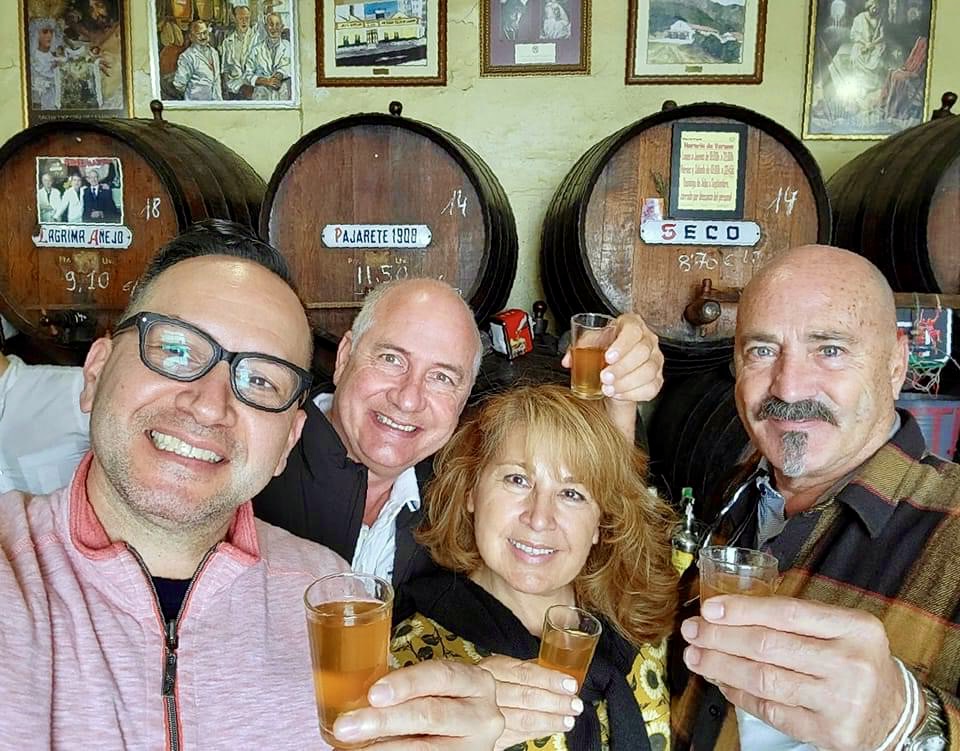
Cheers from us! At the Antigua Casa de Guardia Malaga

A fond farewell to our travel buddies as they went on to Madrid and we returned to Malaga, after a delay when we got on the wrong train at our connection in Antequera and found ourselves back at the Granada train station again. We eventually made it home, tired but wiser.

Coming up… Christmas at Cortijo el Carligto, New Years’ with Fernando and Debbie and our weekend getaway to Hotel Pilar in Estepona!

Elizondo and Vitoria-Gasteiz (end of the road trip)

August 2021

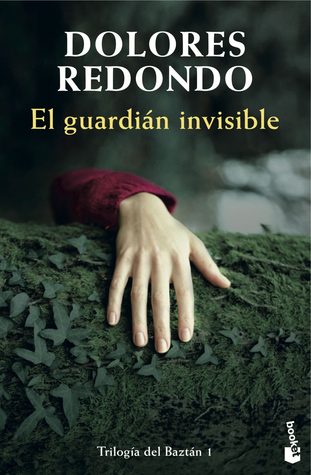
Dolores Redondo’s popular horror novels, the Baztan Trilogy, are also films (in Spanish with English subtitles) on Netflix, and they contain all the perfect elements of Spanish Gothic: supernatural undertones, perpetual bad weather, a smothering sense of dread, and plenty of bodies. The Invisible Guardian, Legacy of Bones, and Offering to the Storm were filmed in and around the town of Elizondo, in the Navarre region of Northeastern Spain, where they take place. Since we were in the area, we thought we’d pop in for a hello and check out the gorgeous countryside.

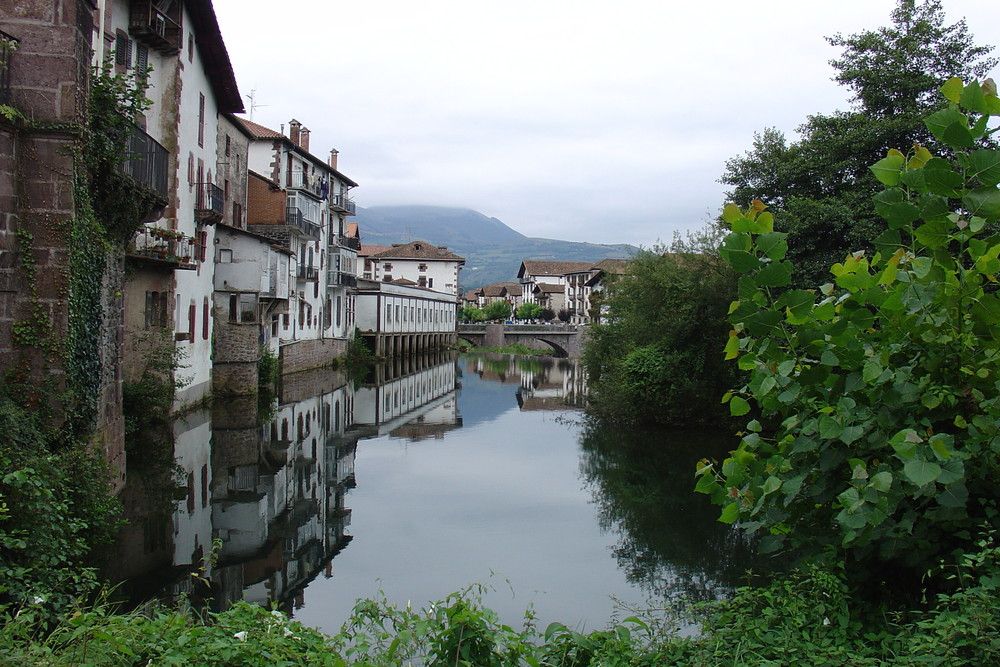
And it is beautiful. Steep hillsides and thick forests with the sounds of water everywhere. Popular with hikers and outdoorsy types, we were the only ones in town not wearing boots and backpacks. This part of Spain is fairly unpopulated. It is near the French border and really not that easy to get to. Although a bit let down that we saw no bloody corpses, we did drive into the village of Elizondo along the narrow road and parked near the Rio Baztan, the very same river which flooded during the storm and swept away Tia Engrasi in The Invisible Guardian!!

Elizondo

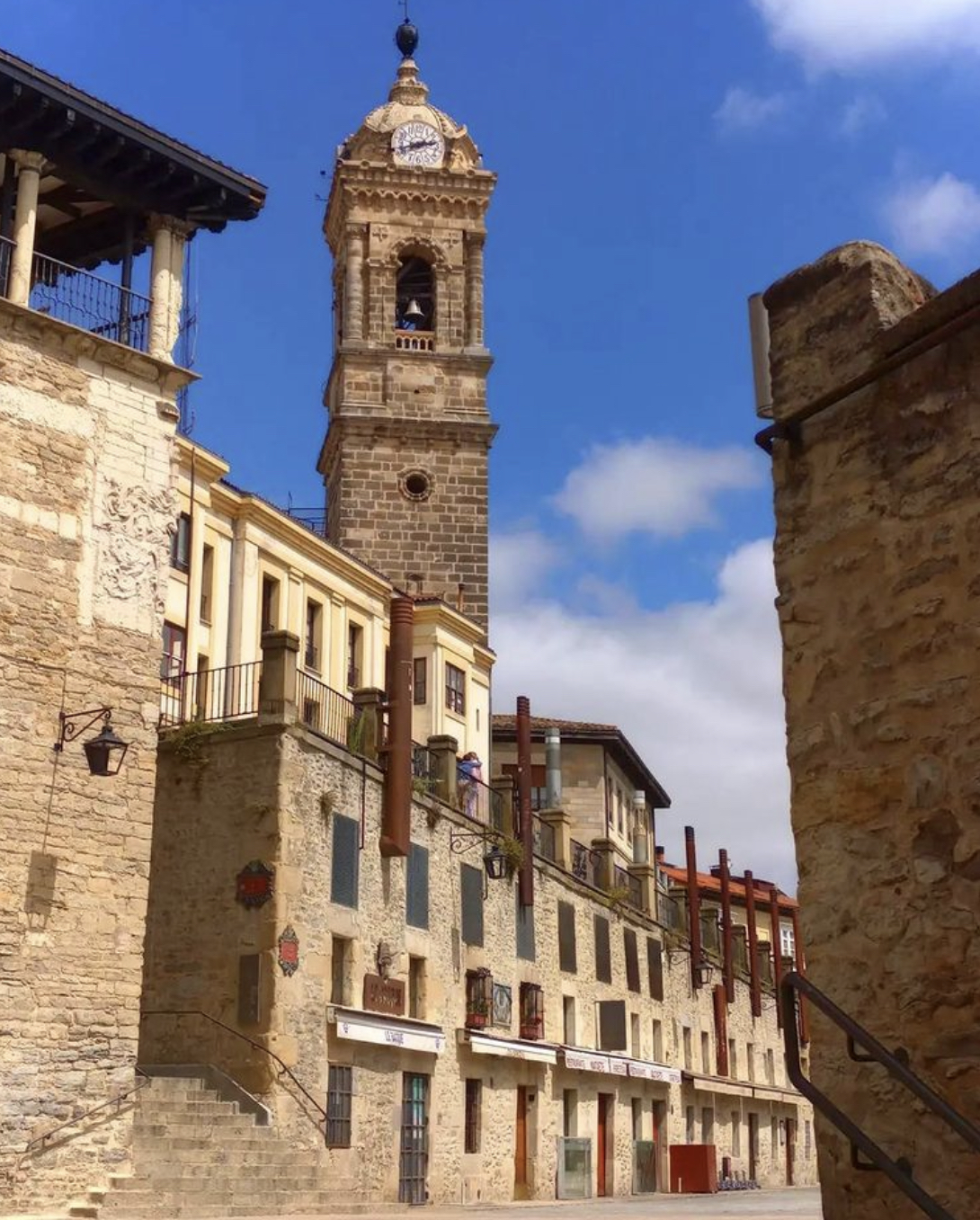
The place is so tiny there is a road in and a road out. We made it back to the winding Highway 121-B, headed west toward Vitoria- Gasteiz. Although I had never heard of it, it is actually the capital of Basque Country, with a pretty dramatic history of Visigoths and Viscones. There was even a 19th Century battle of the Napoleanic Wars (Spain 1 – France 0). It has a pretty, well-preserved medieval center with plazas and cathedrals, and the region’s website is very boostery, but we actually didn’t see that many people around town. We are finding that in some of these small cities, whatever tourism exists is very local right now, which is a godsend for communities already struggling. At least it’s something.

Vitoria-Gasteiz (photo by Hector Ramirez)

Many of the shops and restaurants were shut down, but we explored the Green Ring, a series of trails and parks around the city that extend for miles, hence Vitoria’s title as one of the EU’s first “Green Cities.” Back in the old town for lunch, for the first time all summer I wore a light jacket, happily imagining the skull-cracking heat back home in Andalusia.

Soria

Southward Ho! To Soria, a charming little town in the heart of Rioja country, so there were pretty Napa-style wineries scattered around. Again, lots of Spanish tourists in town for lunch and a wander through the old town. Alfonso I the Battler settled here in the 12th century, after he retired from battling, but there is evidence of Iron Age and Celtic settlements as well, like much of this part of Spain. No museums were open, that we could see, but we walked down along the Douro River to see the Roman arch bridge. Return quotient: doubtful.

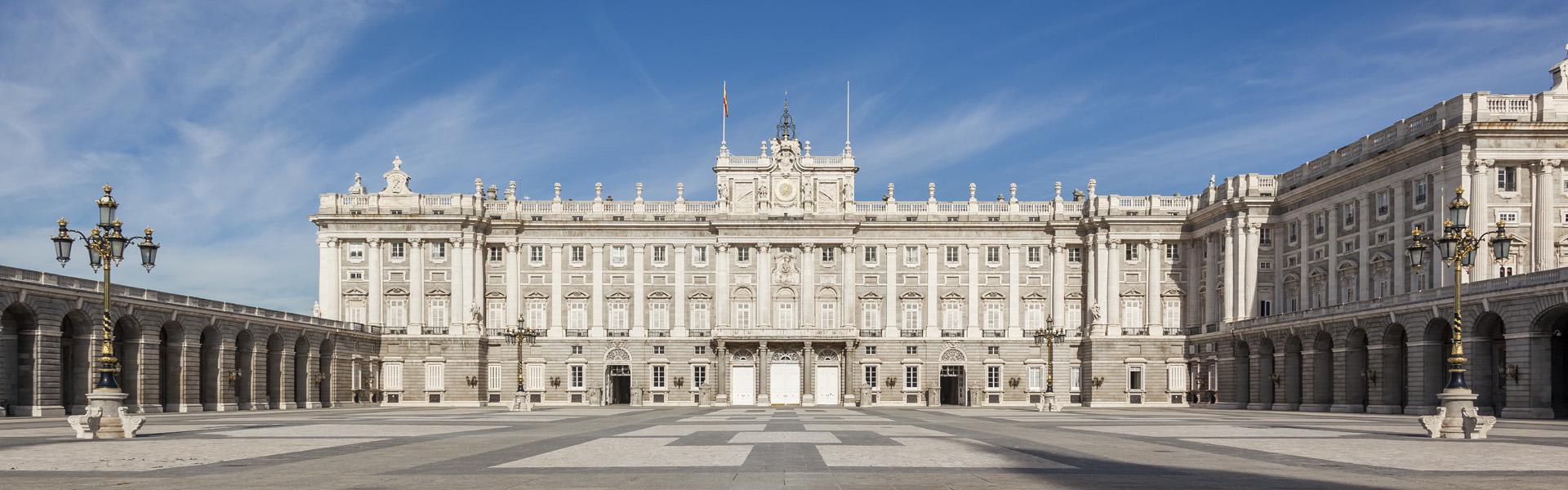
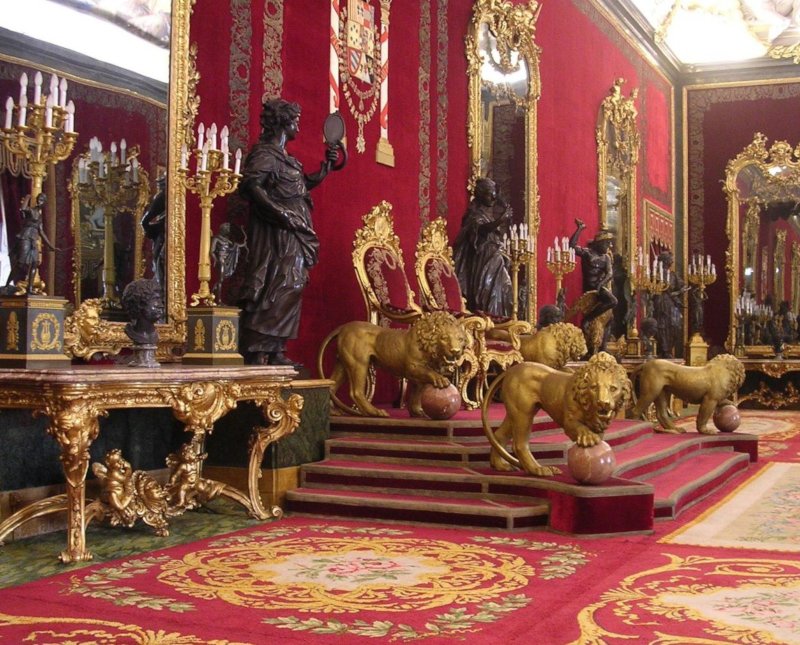
Next day, back to Madrid to drop off the car and spend two nights at the Hotel Indigo (an Intercontinental property). Still hot here. This time we visited the Royal Palace, which is absolutely worth it for the history and opulence. This was our third visit and it is just a treat each time. Took a spin through El Parque del Buen Retiro to have a cocktail in the shade, and nice long lunch at Patio de Liones. We also rediscovered a little Italian restaurant we used to visit years ago, La Traviata, still hanging on in the Plaza Isabel II, by a thread it seems.  Many of these established restaurants continued to pay their employees at least half wages through the lockdowns, so really it’s a miracle any of them are still around.

Palacio Real de Madrid

On Monday morning we caught our train back to Malaga, walked from Maria Zambrano train station through the city center, waving to all the cheering throngs- the waiters, bartenders, beggars, lottery sellers, pickpockets, and police who so clearly missed us. I can’t help repeating it: there’s no place like home.

Palacio Real de Madrid

Bilbao and San Sebastián (road trip pt. 2)

August 2020

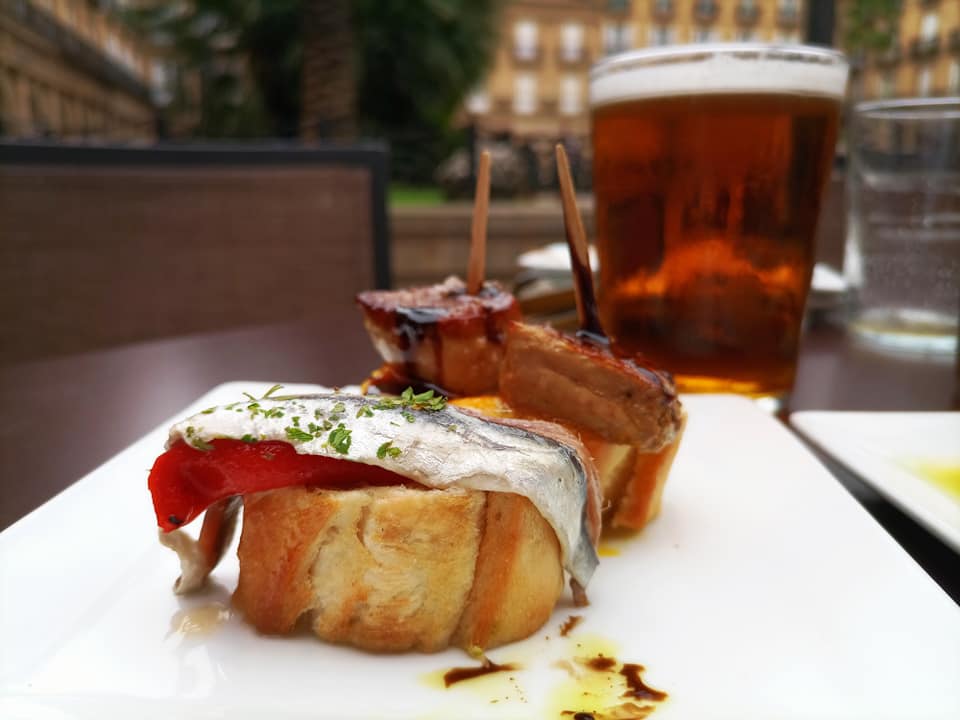
After Burgos, we drove less than 2 hours up toward Bilbao. The countryside becomes very different, with pine trees and mountains, it looks a lot like Northern California. With temperatures probably 20 degrees cooler than Madrid, we finally felt like we were in another part of the country, and actually we were, since this was now Basque Country and I suggest you don’t forget it. So it’s not tapas, it’s pintxos (peen-chos). If you ask for a tapa, prepare to be derided.

A pintxo! (Photo by Hector Ramirez)

The highways are just wonderful; very clean, no billboards, organized periodic service areas with a tidy gas station and bathrooms. No nightmare 5-acre truck stops. As we got closer to Bilbao the traffic picked up, and I, the intrepid navigator, had to kick it up a notch and pay attention. We made it into the downtown area and were prepared to park our car at the hotel but learned our first good road trip lesson: in Spain you have to reserve parking along with your room. So we were directed over to the public underground lot, along with the day-trippers and the winos.

The Hotel Ercilla (150€ per night) is a wonderfully old-style Spanish hotel, with a bustling lobby and bellhops who have worked there their whole lives. There were languages flying around all over the place so we felt international and stylish. Their Bar Americano is very swanky, like something from a movie. We got checked in, changed into our big city clothes, and started strolling toward the Guggenheim Museum, which we could see in the distance.

Bar Americano at the Ercilla Hotel

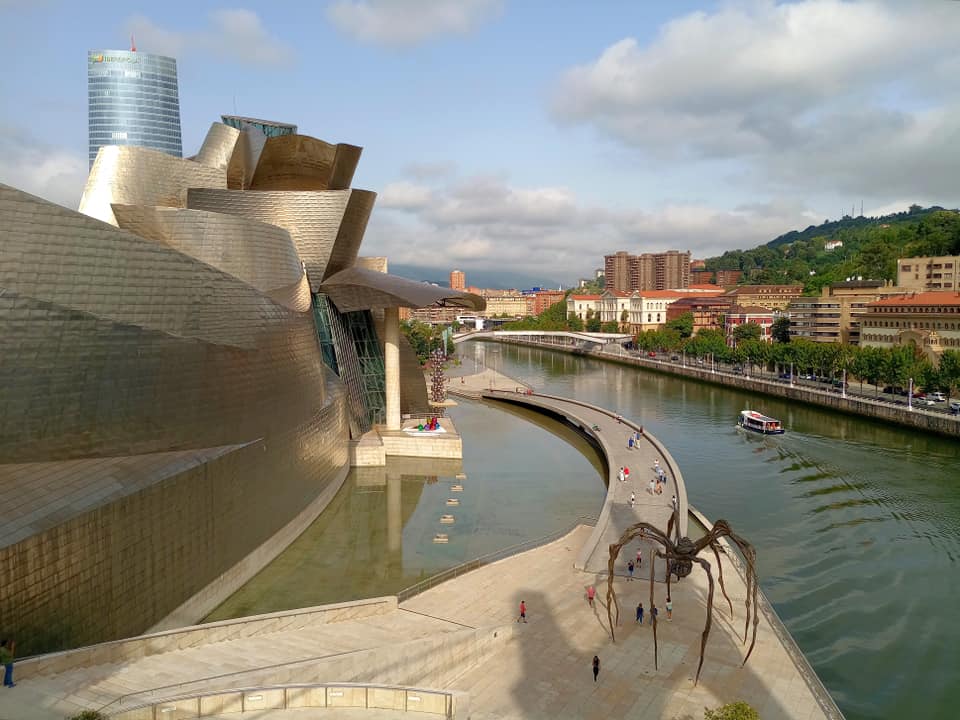
We were told that Bilbao was actually kind of dead until the Guggenheim Museum came along but it is in virtually every picture of the city now, not only because of Gehry’s startling design, but also as a symbol of what a city can transform itself into. The arrival of the Guggenheim in 1997 began an entire redevelopment of the city that changed it from a pretty Basque city to a world class destination.

We got our tickets online (Guggenheim tickets) and were almost first in line the next morning. We spent about 3 hours wandering through the permanent and temporary exhibitions (Jenny Holzer, Richard Serra, Mark Rothko, Jeff Koons, etc), all the while being gently guided by circular walls and catwalks through this amazing open space, free to stop and take in the exhibit, or stare in wonder at the architecture itself. I really can’t recommend it enough.

The Guggenheim on the Rio Nervión Bilbao (Photo by Hector Ramirez)

In our usual fashion, we discovered a restaurant that we loved, Cascanueces, so we made reservations for the next night as well. Like everywhere in Spain, traditional red meat and fish dishes are a very important part of the diet, but it’s wonderful to find it reinvented. We also had pintxos all over the place. Bilbao is pretty good for walking, especially along the redeveloped river walk, but taxis are everywhere as well. Return quotient: ASAP

On the route to San Sebastian, we pulled off the main highway and headed toward the little fishing village of Mutriku. The road was getting more and more narrow as we got closer so we took that to imply a lack of status, but it turned out to be a very charming hillside village with a little bay filled with fishing boats. The locals were all out enjoying their Saturday morning, kids were jumping into the sea, and they all seemed to be friends with each other, if not actually related.

Mutriku

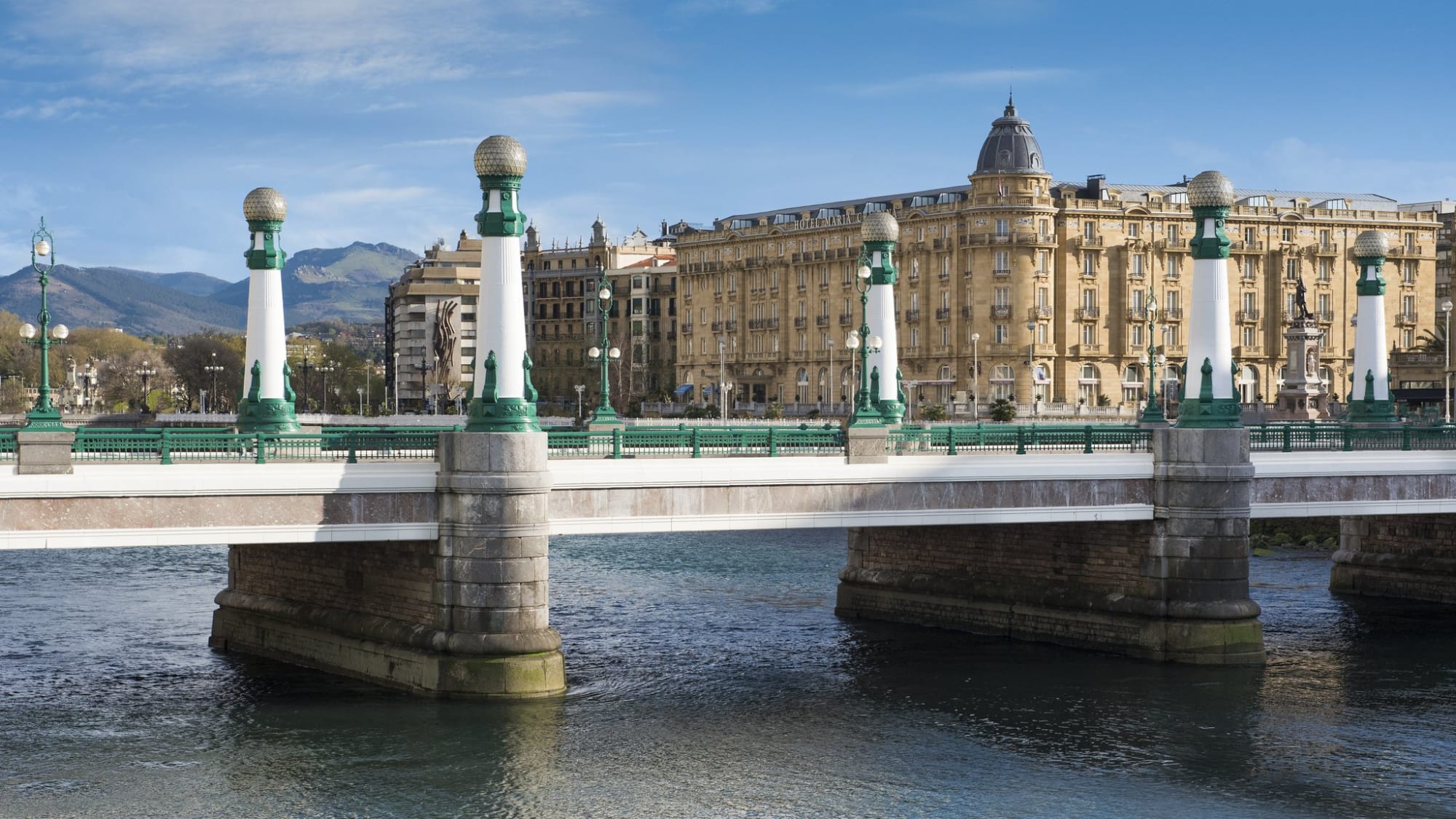
And on to San Sebastián. We scraped together all our Marriott points, upgrades, favors and threats to stay a couple of nights at the glorious Hotel Maria Cristina. We checked in, let them valet the car, and then we oozed into their tender loving care. After a stroll through the neighborhood, we raced back to the hotel and got room service.

Hotel Maria Cristina behind the Zurriolako Zubia Bridge

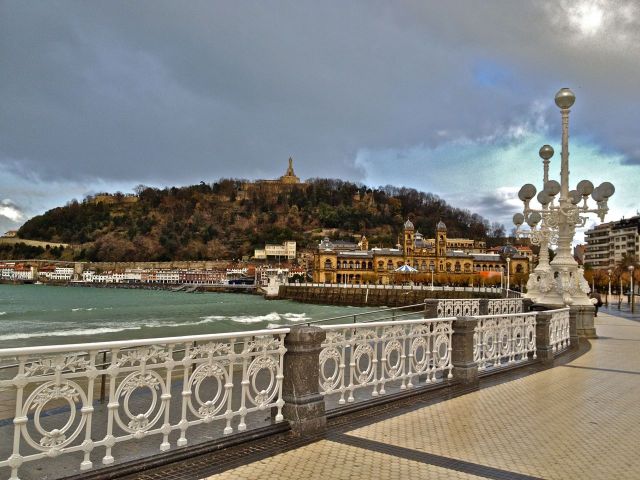
San Sebastian was very busy, I really had no idea it was such a big city. It was established as a summer playground “for the illustrious holidaymakers of the European aristocracy.” There is an extravagant promenade along the seaside, along Playa La Concha, with grand old hotels looking out over the Atlantic. It was very easy to imagine 19th century European royalty strolling along the boardwalk, or taking a dip in the sea from their private changing rooms. We stopped and had a cocktail at Terraza Igueldo, overlooking the charming poor people playing in the sand.

Across the river, the surfers like Playa Zurriola, with its pristine sand and big waves. San Sebastián also has a gothic quarter, buzzing with tiny bars and pintxo cafes, and by Sunday afternoon the competition for a shady outdoor table at a pintxo bar was fierce. We finally found a spot and I guarded it like a bad-tempered chihuahua as Hector ran in to grab our selections. We stayed 2 hours and spent a small fortune just because we couldn’t bear to walk away from it. Return? Absolutely. I think it would be fun to be here in winter, with storms and waves crashing against the windows.

The Promenade at Playa La Concha, San Sebastián

Next up: in search of the spooky town of Elizondo from Dolores Redondo’s Baztan Trilogy!

A Spanish Road Trip (pt 1)

August 2021

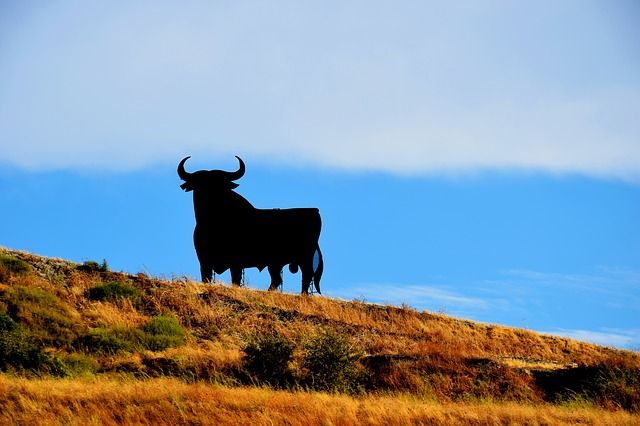
Spain’s Osborne Bull

We caught the train from Malaga to Madrid on Sunday the 8th. I’m tempted to gush when it comes to train travel here because it is simply the 100% flip side of air travel. Relaxing and actually enjoyable is what it is. The high speed train from Malaga to Madrid takes a little over 2 hours (Tix at Renfe.com Quiet Car, 65€ each with our senior discount card.)

We taxied to our hotel, the Aloft (120€ per night) right off Gran Via, where we stayed for 2 nights before picking up our rental car. Madrid was much quieter than expected, and very green compared to Malaga. It was also, however, hot as a firecracker. Spaniards tend to take vacations in August so a lot of restaurants were closed. We ate lunch at the wonderful Mercado San Miguel and Tapa-ed and Spritz-ed our way around town. We visited the Thyssen-Bornemisza Museum for the air conditioning and the art was pretty decent as well.

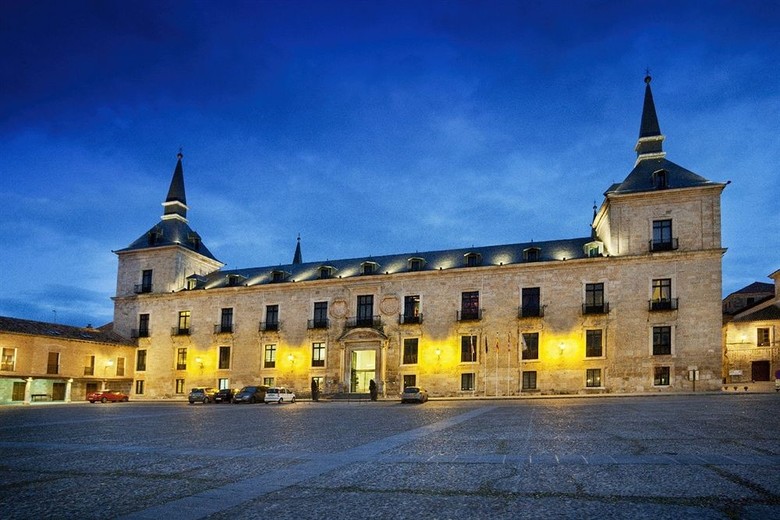
Parador de Lerma

Spain has a fantastic system of hotels called Paradores, that are situated in historic buildings around the country. First established in the 1920’s by King Alfonso XIII as a way to encourage tourism and preserve palaces, convents, and fortresses, these government-owned sites can be expensive but are accessible for everyone to visit. On our first day out of Madrid, we drove north to the village of Lerma to have lunch at the Parador there. It’s a ducal palace from the Hapsburg era, not far from the village’s medieval quarter. It’s only 2 hours from Madrid, otherwise we might have stayed for the atmosphere. Would we return? Yes, to stay in the hotel.

We drove on to Burgos for our first night. Checked into the AC Burgos (around 100€ per night). We had no idea what to expect from Burgos but just around the corner from the hotel was the incredible Gothic Cathedral of St Mary and a whole medieval quarter. A few factoids about Burgos: People (I use the term loosely) first lived in this area up to 800,000 years ago! And then it went downhill from there. Celts, Visigoths, Romans, Christians, blah blah blah. During the Spanish Civil War, Burgos was the base of General Franco’s fascist government. But it is still pretty, we don’t hold a grudge, and there are lovely walks along the River Arlanzón. Worth a return? Absolutely!

Burgos (photo by Hector Ramirez)

Next update, on the road north to Basque Country!

Want to learn about Spain’s iconic bulls, located on the highways all over the country? Read on here.

Mallorca

July 25, 2021

Palma de Mallorca

The island of Mallorca is so famous [along with naughty little sister, Ibiza] it’s really sort of embarrassing that we had absolutely no idea what to expect from it when we arrived. Friends said it was beautiful. Such was the extent of my education. An old friend of Hector’s was visiting from Stockholm so we invited ourselves over. Quickie swab test and direct flight Malaga to Palma on Vueling [90€ rt each] and we were there in an hour.

The impressive downtown is spread around a large bay filled with yachts so it looks like Lifestyles of the Rich and Famous. We checked in at the AC Hotel Ciutat de Palma [125€ per night], very central, and immediately met Hector’s friend Birgitta for pre-cruise cocktails on the pier. Yes you heard me right, she booked a sunset dinner cruise [Oasis Catamarans] for us and her two adorable college-age sons, Christian and Clarence. The Palma Bay is gorgeous, we caught the full moon coming up and the blazing sun going down in the same sky. Because of covid restrictions, no alcohol on this boat [frowny face].

Sautéed scallops at de tokio a lima

Next day, lunch at the wonderful de tokio a lima restaurant on the trendy Carrer de Sant Feliu [Sautéed scallops 26€], a quick nap at the hotel and then dinner at Birgitta’s new apartment, prepared by son Clarence. Taxied back to the hotel at midnight, the streets were seething with gorgeous young people out partying and having a fabulous time sharing their germs with each other.

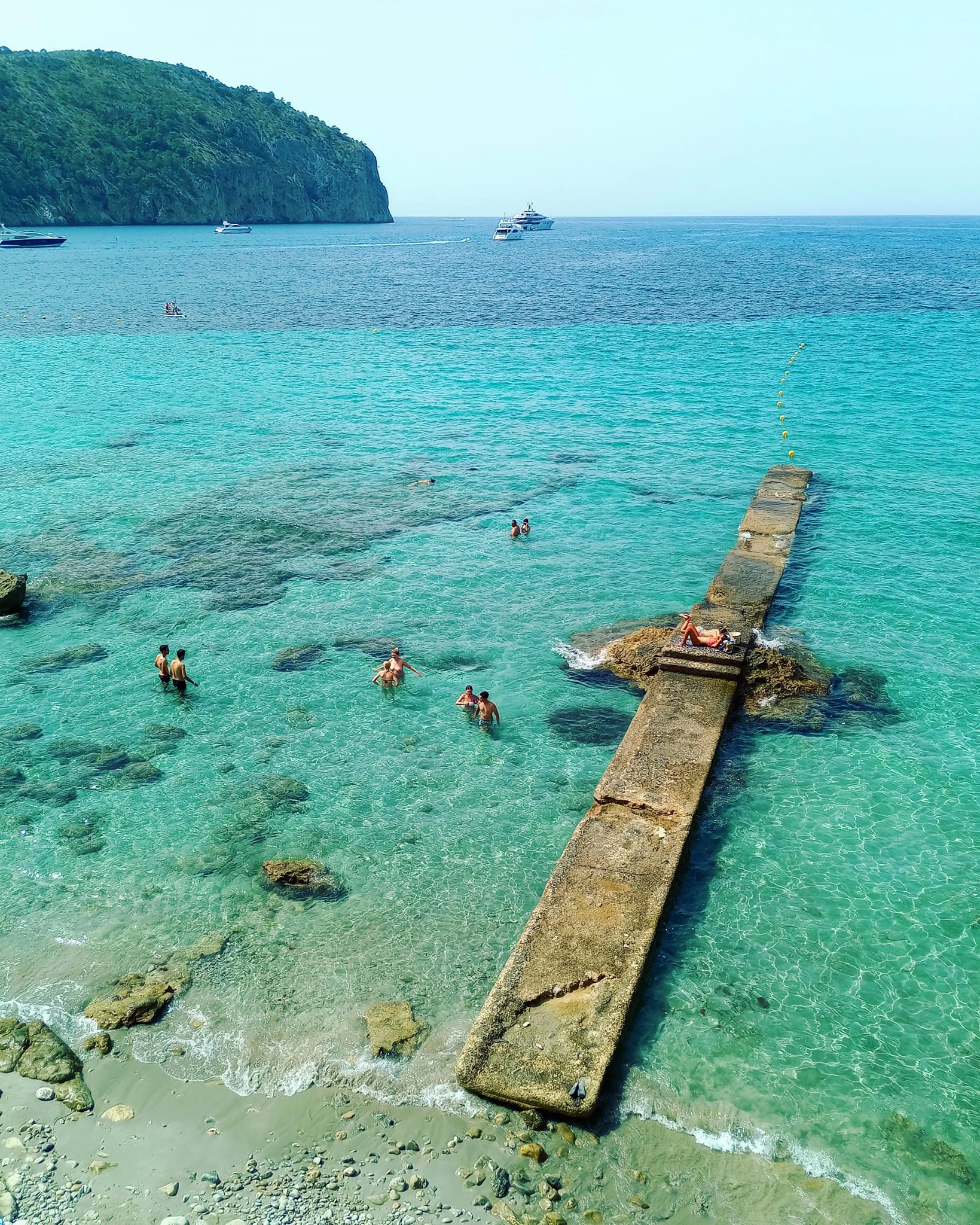
On Saturday we drove out to Camp de Mar, a small beach enclave in Andratx, west of Palma, with hotels and big houses overlooking the crystal clear sea. We swam and had lunch at Illeta, fresh seafood on the bay. Back to Palma: hotel/ shower/ air conditioning. Later, dinner with some more fun Swedes at a busy Italian restaurant tucked into the charming Plaza San Francisco, Osteria de Placa Sant Francesc. Mallorca is technically Catalan country so all the place names sound almost but not quite familiar. That day all the covid rules had changed a bit so we could only do 4 to a table outside. Later, a stroll through the old quarter, goodbye to our hosts, taxi back to hotel, so tired I wish I was dead.

Sunday, back to Malaga, there’s no place like home. It was my first time to see a new destination almost exclusively from a taxi, but I can say Mallorca is beautiful, there are great restaurants, and as we always tell ourselves about every new place, it’s just another reason to return.

The bay at Camp de Mar

Venice

June 28, 2021

If I had a dollar for every time I’ve heard the expression “trip of a lifetime” … well, you know. I had never been to Venice and I honestly thought it could just be one of those places that I avoid the rest of my life. If any city exemplifies over-tourism, it is Venice. You’ve seen the photos of hordes of people in Piazza San Marco, and huge cruise ships parked right near the lagoon.

But as soon as Italy opened up to EU residents [with negative Covid test and QR code] we booked our flights. How could we possibly miss this opportunity? It’s an easy Malaga-Madrid-Venice flight [around 300€ rt each] and we had a long layover in Madrid – the perfect chance to loiter in the Iberia VIP Lounge long enough to have 2 free meals and steal a few little ponies of wine.

Once in Venice, getting a water taxi from VCE airport to the hotel [130€] took a while to figure out since the place was pretty deserted. We checked into the newly remodeled St. Regis Venice [320k Marriott points for 5 nights.] The hotel is right on the end of the Grand Canal, a short 10 minute walk to the Piazza San Marco.

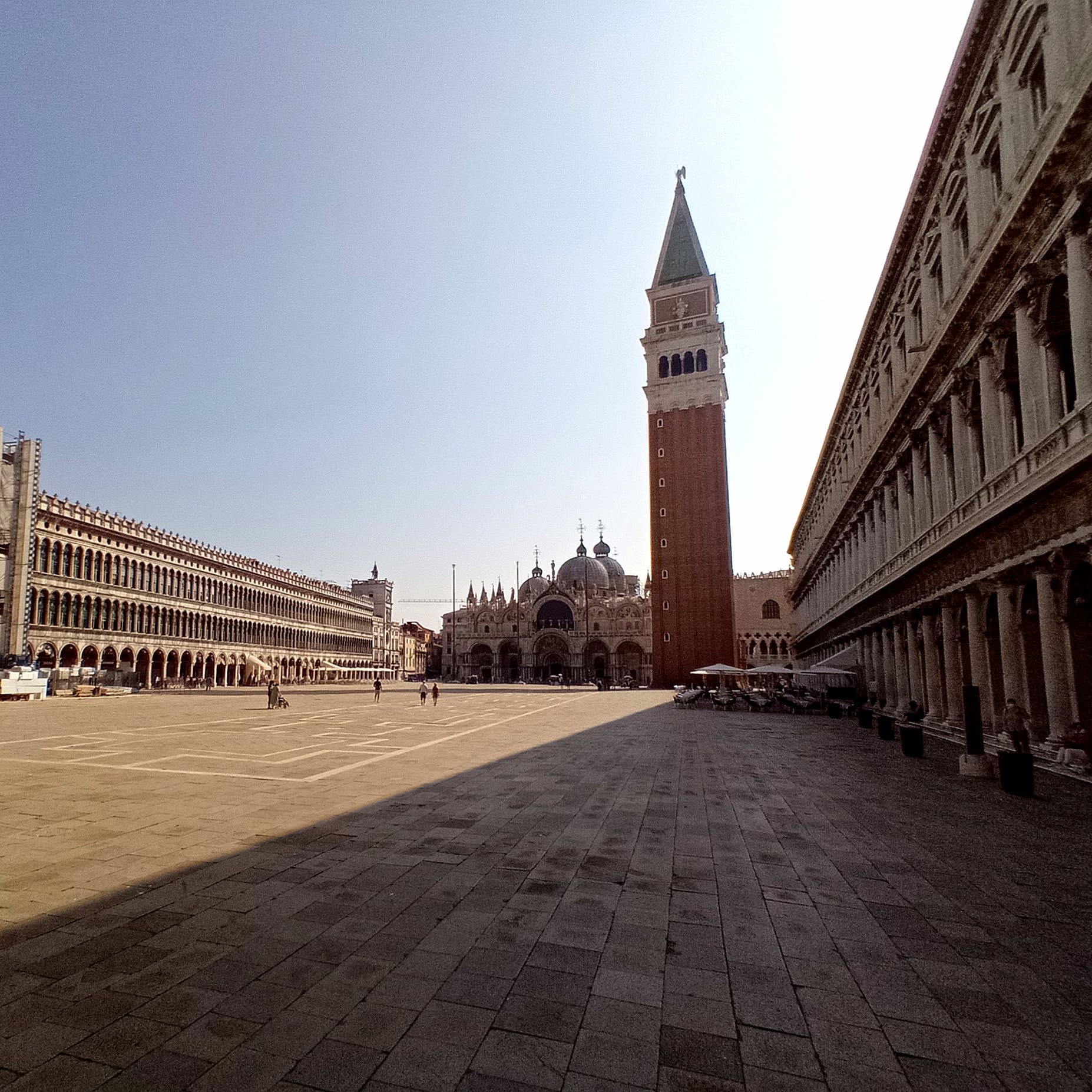
We had a cocktail on the terrace and went to bed. Next morning, after a stroll, we were greeted with this:

Piazza San Marco

Never mind that this looks like a scene from a post-apocalypse movie, those are not zombies in the background. The first couple of days were pretty much like this but it started to pick up on Friday and the weekend was quite healthy. The best part is that we could walk into almost any restaurant we wanted without a reservation [Al Timon, Osteria Enoteca San Marco] and all the museums had plenty of availability [most are requiring advance booking online now.] The locals were extremely welcoming and friendly. Covid hit Venice with a punch and they are eager for visitors to return.

I don’t need to tell you it’s an absolutely gorgeous city. We spent our time wandering, getting lost. We hit a few museums/ galleries [Peggy Guggenheim Collection, Gallerie dell’Accademia, Palazzo Cavalli-Franchetti] and drank lots of spritzes all over the city. We did not take any gondola rides, but not from a lack of gondoliers. Mostly, the poor guys were all dressed up with nowhere to go because we spent our cash on cocktails and Italian food. Since I was clearly the last person on earth to have visited the city, we got a lot of great recommendations, some of which we actually listened to.

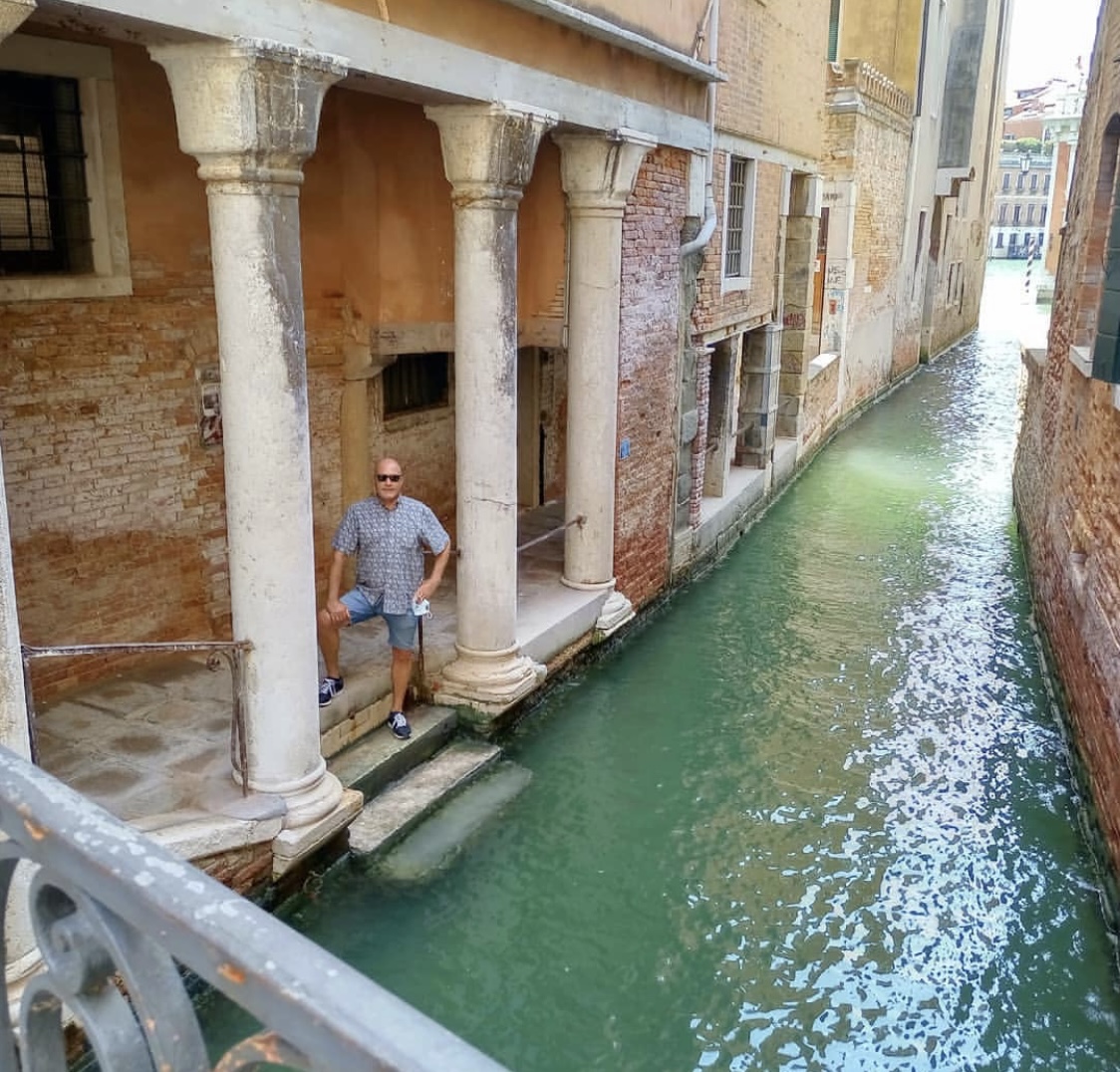
I also became obsessed with all the ways in which the Venetians function in daily life on water. There are no cars, obviously, but everything seems to continue: garbage collection, restaurant supplies, hotel linens, construction materials, it all comes and goes in small boats, through narrow channels, under low bridges built centuries ago.

I don’t know if we’ll ever make it back, but for the sake of the Venetians, I wish them a very busy summer season, cruise ships and all.

Granada

May 25, 2021

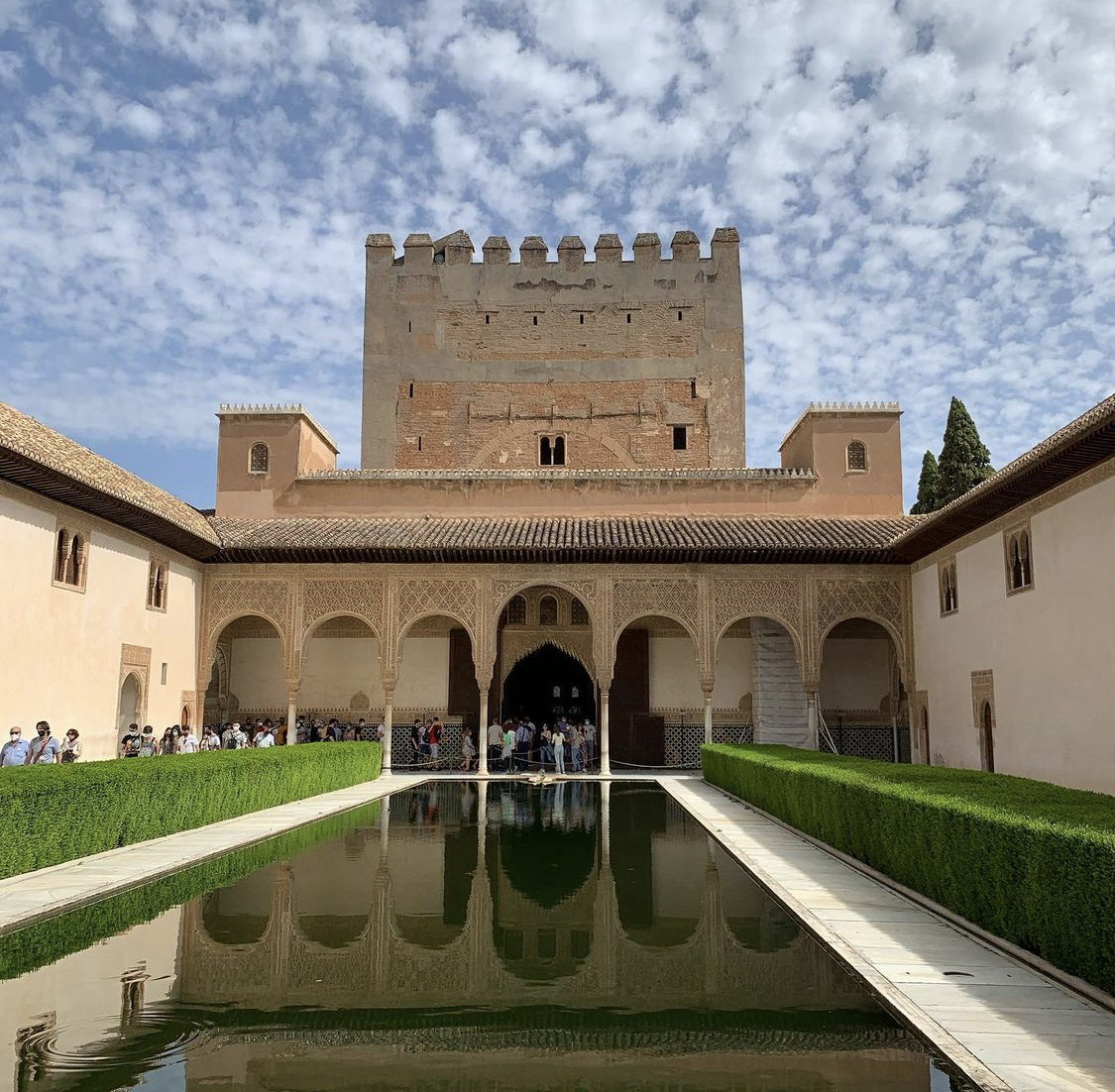
The Alhambra de Granada

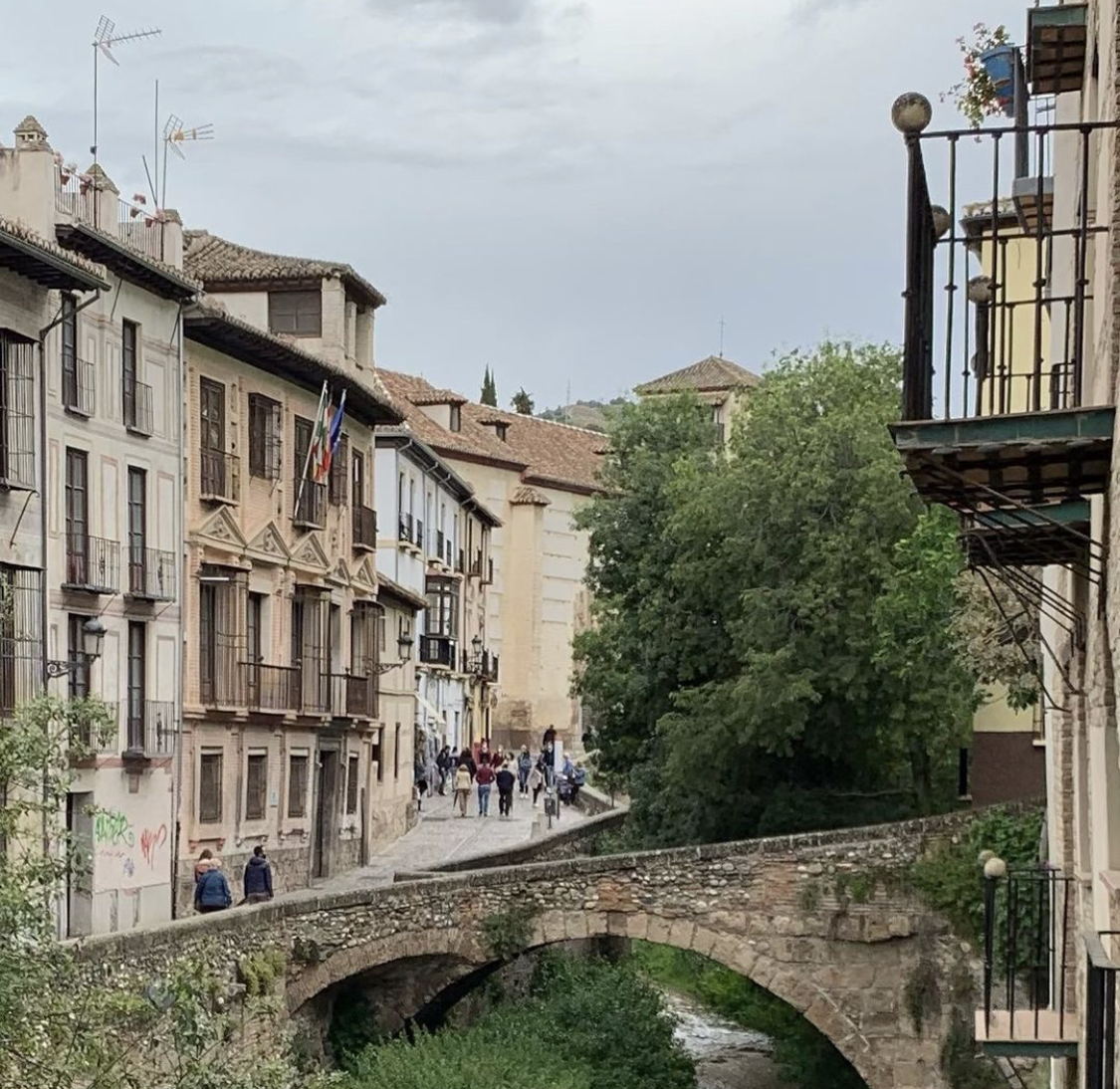
We visited Granada once long ago, and honestly I didn’t remember that much except the Alhambra of course, and an old man playing guitar in a tapas restaurant. Granada is about 2 hours away by train from Malaga, with a change in Antequera (Tix at Renfe.com around 25€ each way). We arrived on Friday afternoon for a weekend getaway and the first thing we saw was about a billion college students all heading toward the city center, with that ready-to-party look I remember distinctly. Granada has 8 universities, with the Univ. of Granada being by far the largest. Lots of foreign kids come here to study Spanish, which, as we all know, is just a euphemism for getting laid.

Granada old city

We checked into the Hotel Palacio de Santa Ines, which sounds like a fancy shmancy hotel, but is small and charming, right in the old town, just off the river. We got a small double room with a view of the Alhambra for around 100€ per night.

As always, tickets to the Alhambra should be booked online in advance and they are pretty strict about it, especially during covid. Once inside the complex you are free to wander on your own time but the entrance to the Nasrid Palace itself is very controlled. If you are there 5 minutes early you’ll stand in the shame corner, like you tried to board the plane before your group was called.

If you haven’t seen photos of the Palace and surrounding structures and gardens, you are in for a treat. This was one of the most important Islamic structures in all of Spain and it was added to by successive rulers, first as citadel, then royal palace and gardens and finally, after 1492, it came under the control of those pesky Catholic monarchs when the Moors were expelled from Spain. There is a lot to see so take your time. You can hire guides at the entrance or in the city beforehand, they give you a lot of information.

The Nasrid Palace

We had dinner one night at the wonderful Negro Carbón Albayzín, a steak restaurant just across the river from our hotel. We also discovered a charming place for breakfast since the hotel breakfast room was a little claustrophobic. The Alhamra is on the Gran Via de Colon, they serve very good breakfast dishes as well as a variety of traditional Arab dishes. We ate there every morning. There are tapas places everywhere. No really, everywhere.

Mexico

October 2020-January 2021

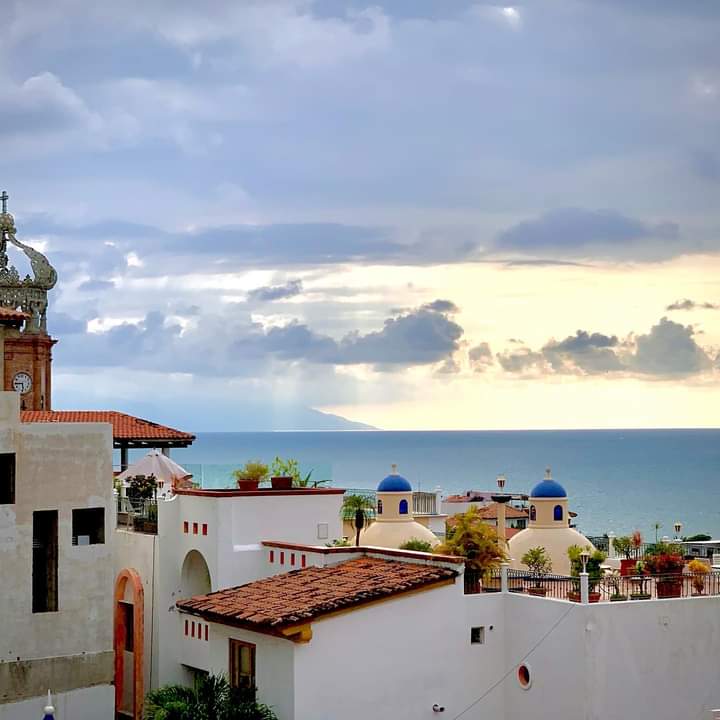
Puerto Vallarta

Mexico was an easy choice as an escape from the US during lockdowns, elections, protests, etc. We have been many times over the years and it is very definitely home to us. Hector is Mexican so we are able to negotiate our way around with relative ease. We split the next few months between Puerto Vallarta and San Miguel de Allende, two wonderful cities but with completely opposite personalities. Vallarta is a free-wheeling beach city that caters unashamedly to tourism, and San Miguel is a more formal, traditional city in the center of the country.

This difference in city attitudes also affected their reaction to lockdowns: Vallarta stayed pretty much wide open with just an occasional curfew, but San Miguel was only slowly emerging from a very serious lockdown. Hotels had only just re-opened at 50%, masks and distancing was expected everywhere. San Miguel also had road blocks coming into the city to check for confirmed hotel reservations. We felt much safer there than anywhere we had been so far.

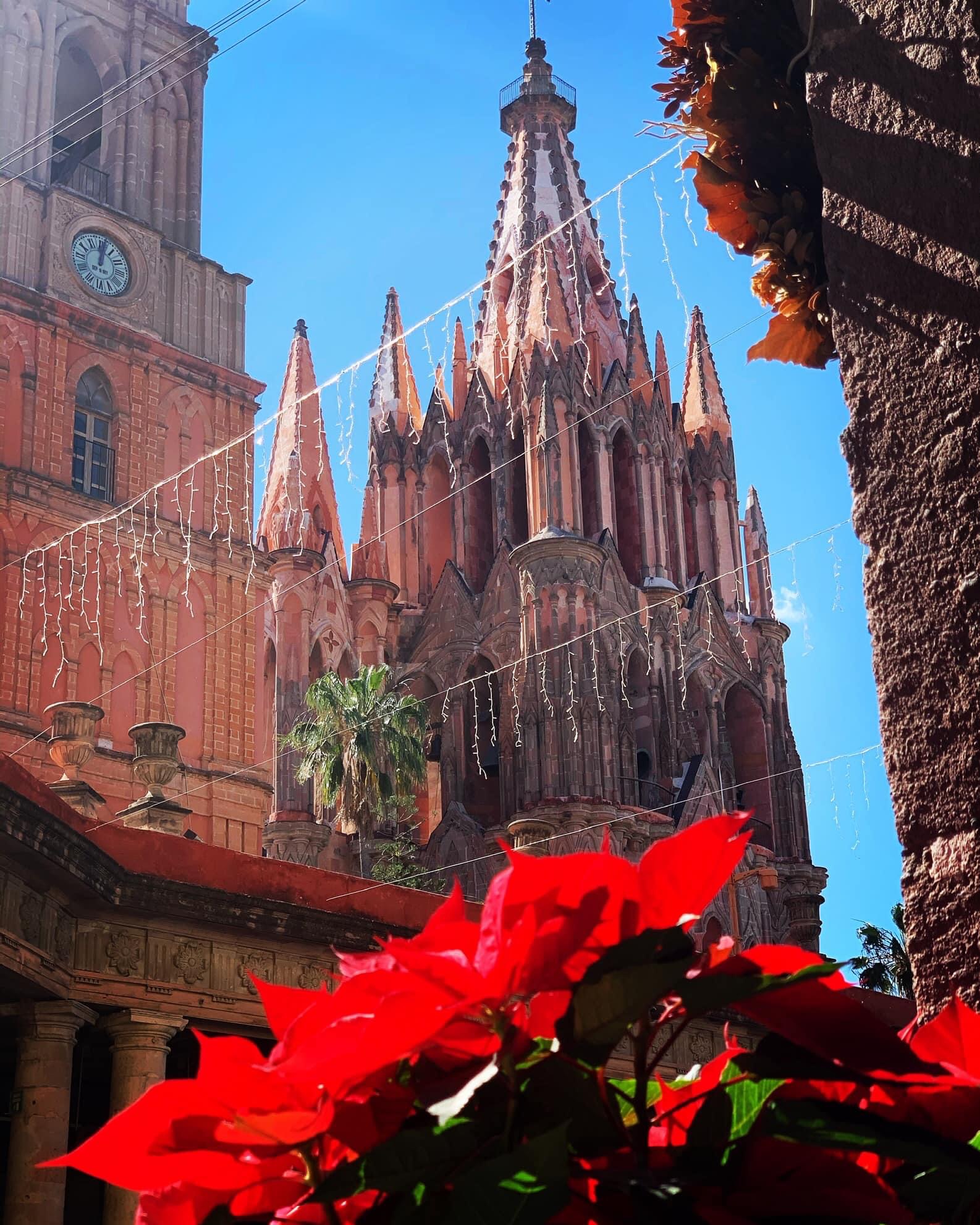
San Miguel de Allende

In San Miguel, we had rented a house so we were able to cook a lot but also enjoyed some of the many great restaurants there [The Restaurant, Moxi, Luna, Cumpanio, Atrio] We made some small getaways and fell in love with the city all over again. Christmas and New Years were quiet and intimate.

So, with melancholy, we returned to Santa Fe in early January 2021 to begin the long and anxiety-ridden process of gathering the required documentation for our residence visas for Spain.

4 very long months passed. After flying to the Spanish Consulate in Houston for our interviews, we were approved for residency and, on May 2, we raced to the airport in Albuquerque like Imelda Marcos fleeing the Philippines. It is no exaggeration to say this was a moment we had waited a decade for.