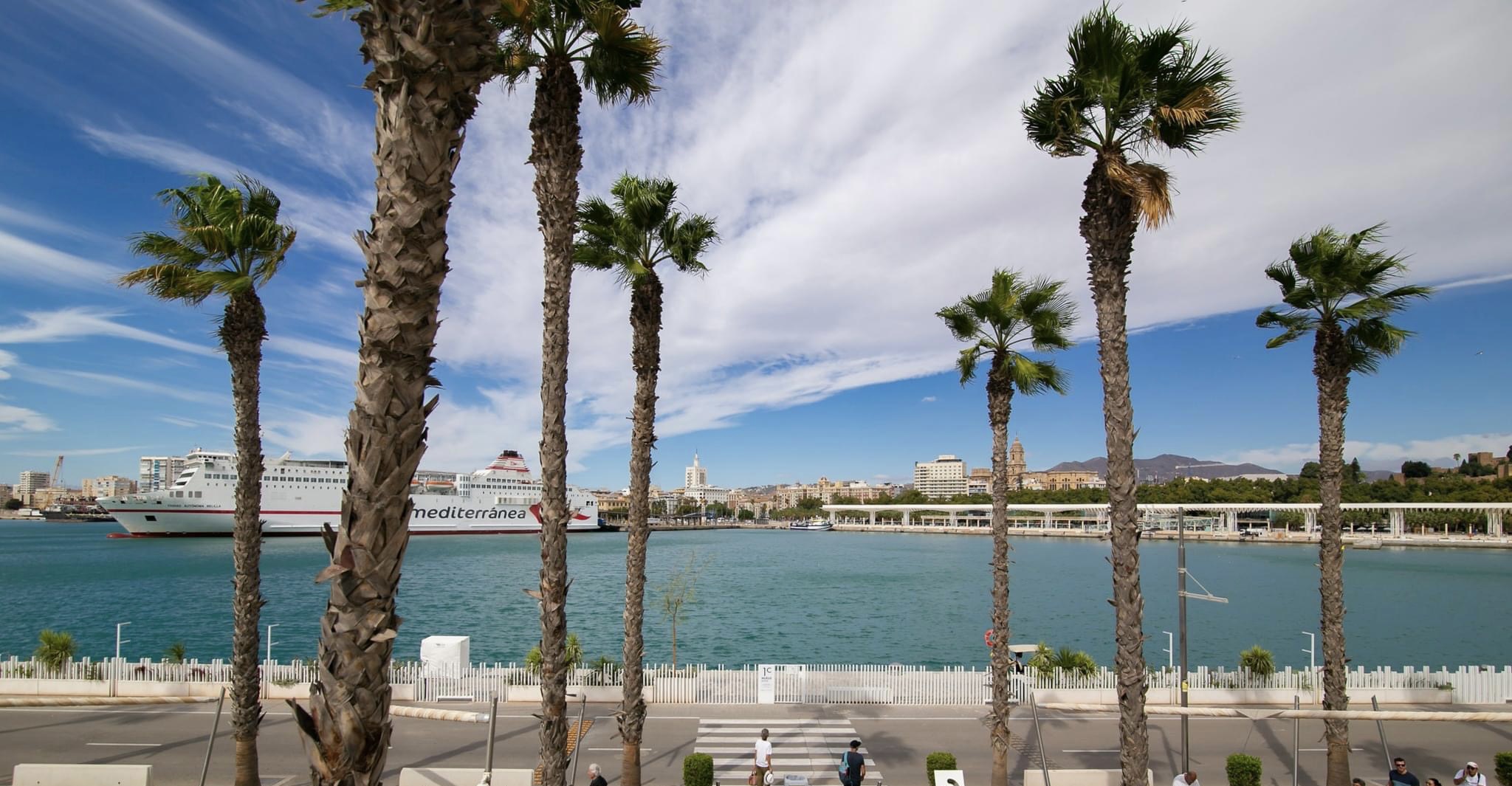
Road trip to Cadiz!

February 2023

Welcome to Cadiz!

Taking a road trip in Spain is always a pleasure because the highways are in great shape and there’s plenty of picturesque scenery. Billboards were effectively outlawed in 1988 so there are no shady lawyers encouraging you to sue your fellow motorists every couple of miles.

Cadiz sits on the Atlantic side of Gibraltar; actually it sticks out like a spoon into the sea, with the historic section, the Casco Viejo, at the tip of the bowl. I know I’m always going on about all the history in this part of the world but this time I really mean it. This place is ancient. It is the oldest continually inhabited city in Western Europe and that’s just what they can prove. All the usual heroes and villains made their marks here, starting with the Phoenicians and climbing on top from there. Like all over Spain, any attempt to dig a hole will uncover yet another priceless artifact. Construction projects sometimes take decades.

We picked up our rental car at the Malaga airport (Record Go rentals €150 for 6 days. Cheap!) and headed west along the coast highway, past Torremolinos, Fuengirola, Benalmadena, Alhaurin de la Torre. The Mediterranean is on the left and vast new communities for expats blanket the hillsides on the right. After passing Gibraltar we headed south toward Tarifa, a small city with yet more big history to brag about. It is also the closest point to Morocco, lying across the Strait of Gibraltar, just 20 miles to Tangier on the ferry. It’s a fun day trip from Malaga (see my post Tangier!) but all was quiet on this windy day, a few Moroccans and locals hanging out at the port cafe. We stopped for a beer to sit in the sunshine, looking across to Africa. This area is a big surfer destination because of the exuberant Atlantic waves.
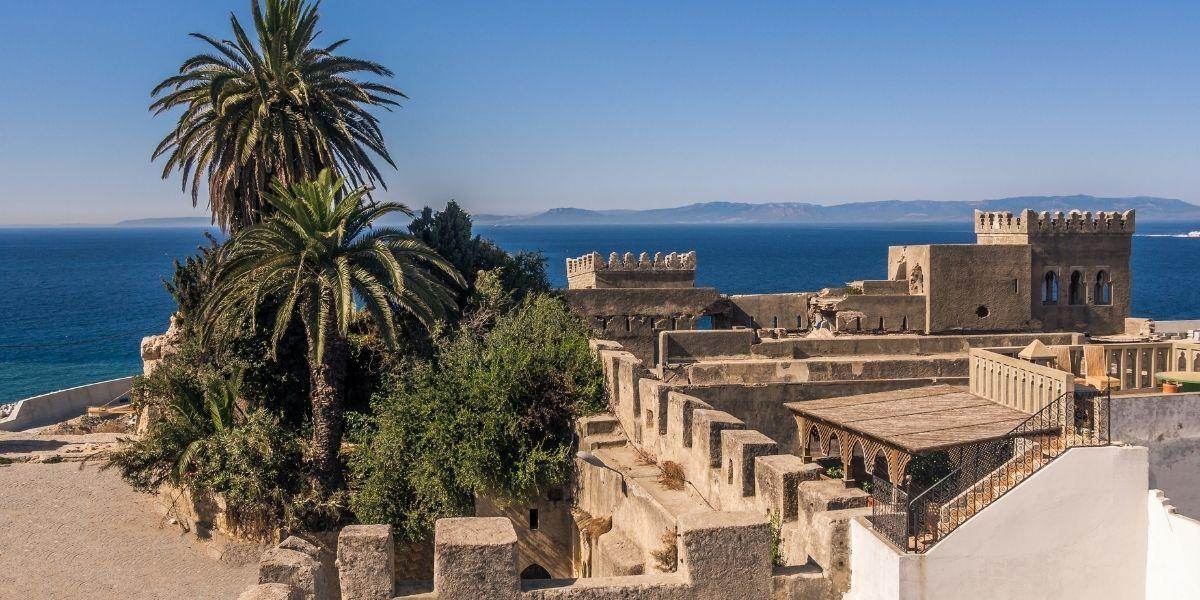
Tarifa, with Morocco in the background

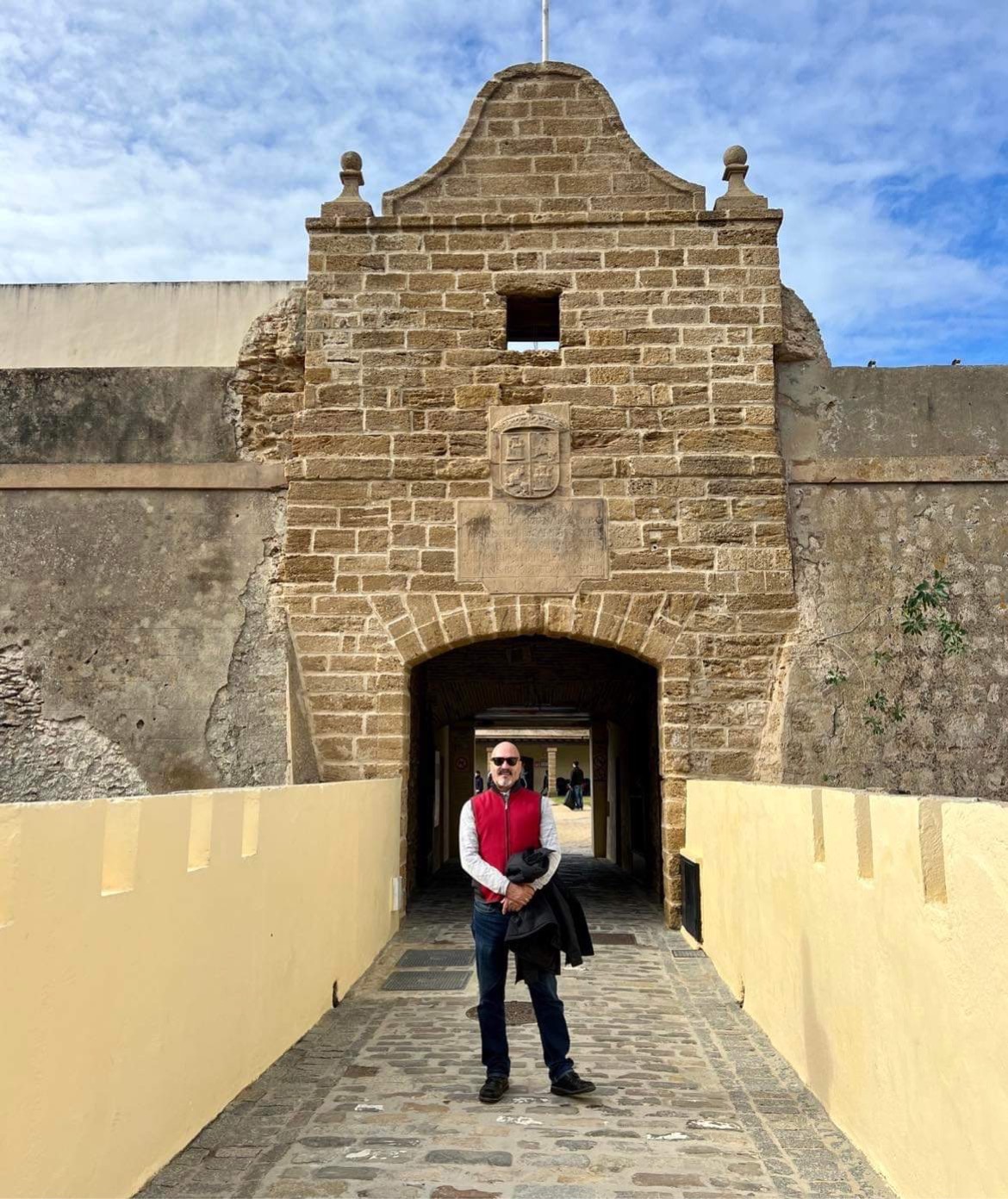
Then we made our way into Cadiz (the Spaniards say CAH-deeth) and found parking not far from our little hotel, the Tandem Ancha. In the old town, the streets are narrow and cobbled, but there are plenty of gorgeous small plazas around every bend. There is the beautiful Catedral de Cadiz with a fantastic restored crypt. The ruins of the Roman Amphitheater and the Castillo de Santa Catalina are popular sites as well. This was an important fortress city throughout history and much of the old walls and battlements are still standing along the dramatic coastline. It looks a lot like San Juan, Puerto Rico, logically, since much of the Spanish colonizing of the Americas started right around here. Columbus began his journey from nearby Palos de la Frontera, so of course they brought all their fancy military plans with them to the Caribbean, to Puerto Rico and Havana.
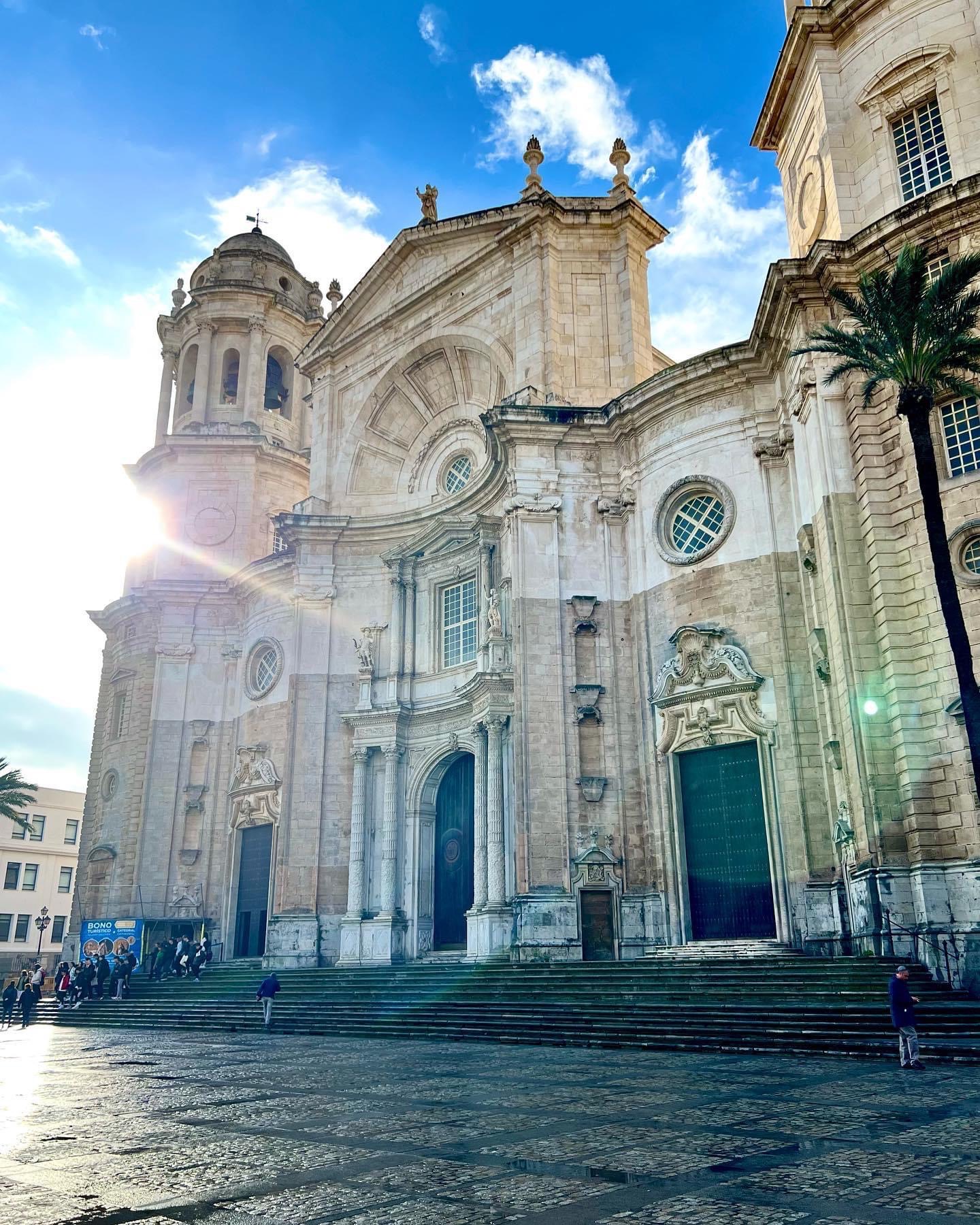
Cathedral at Cadiz

The city was pretty quiet, being low season, so there was a very relaxed, local vibe in the places that were open. We had two delicious dinners at El Aljibe. I had grilled lemon fish one night and pork tenderloin the next. Plus, each visit to a museum or fort required a coffee or wine stop afterwards and you’d be surprised how quickly that eats up the day. It’s a perfect city center to get lost in so we just wandered, following the narrow streets and coastal parks from one side of the old town to the other.
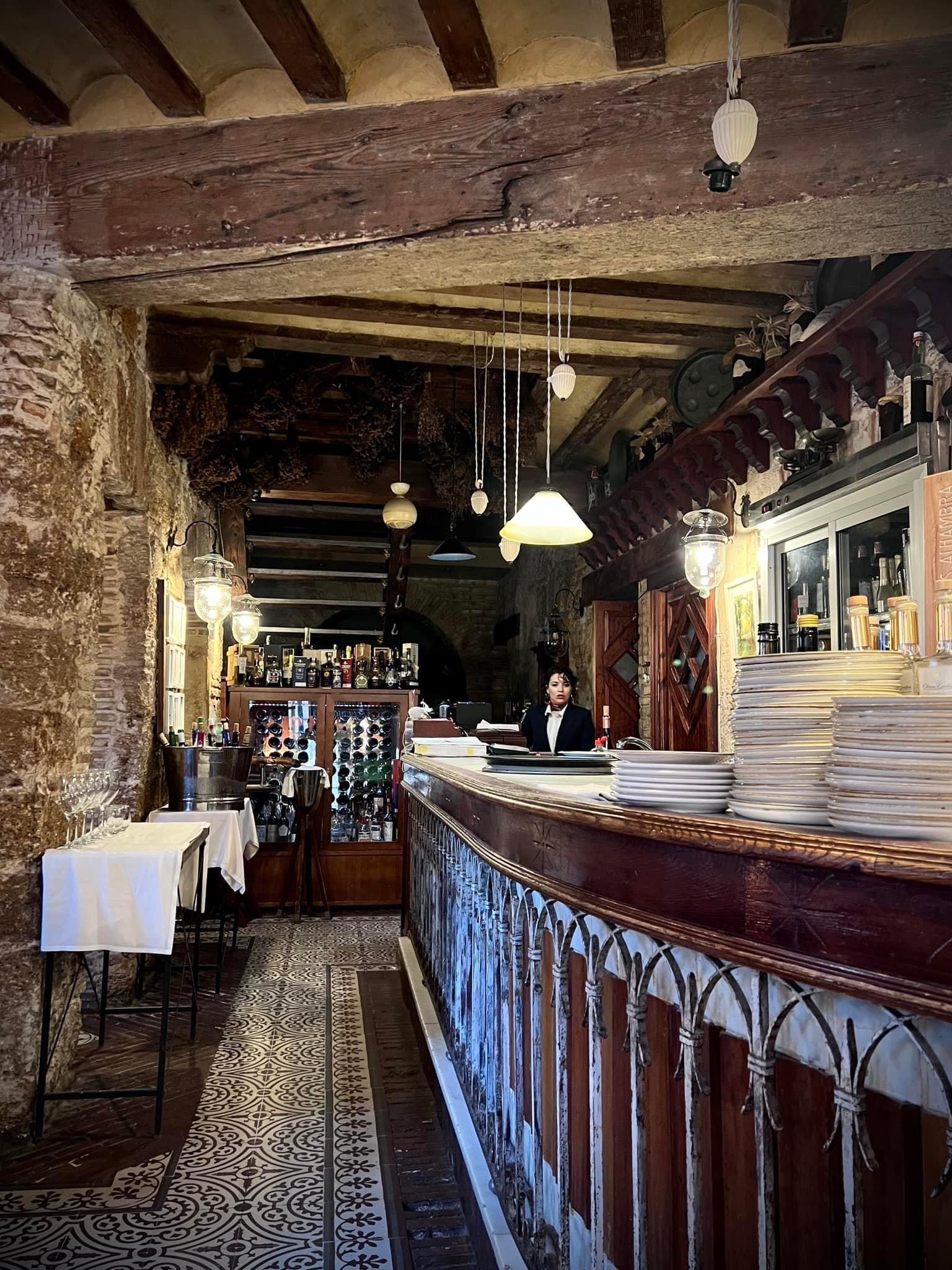
El Aljibe (The Cistern) Restaurant

After Cadiz we drove across La Pepa bridge and up into Jerez de la Frontera, more fucking history, as well as the home of Spain’s famous sherry distilleries. Quiet here too but a really lovely small downtown historic district. On Sunday all the locals came out to have the traditional Spanish family lunch, beginning around 3 pm, all the generations together in designer clothes, the children dressed up like little fashion models. We stayed at a huge old fashioned Spanish motel, the Hotel Jerez, tons of rooms, big parking lot, and a fantastic breakfast buffet each morning. It was the perfect road trip accommodation.

After two days in Jerez, back home, down through some new hilly territory and again on the A-7, the sea now on our right. Dropped the car at the Malaga airport, where the Northern Europeans were spilling out by the plane-full, and took the train to the city center, found all was sunshine and tapas, just as we left it.
Christmas in Istanbul!

December 2022

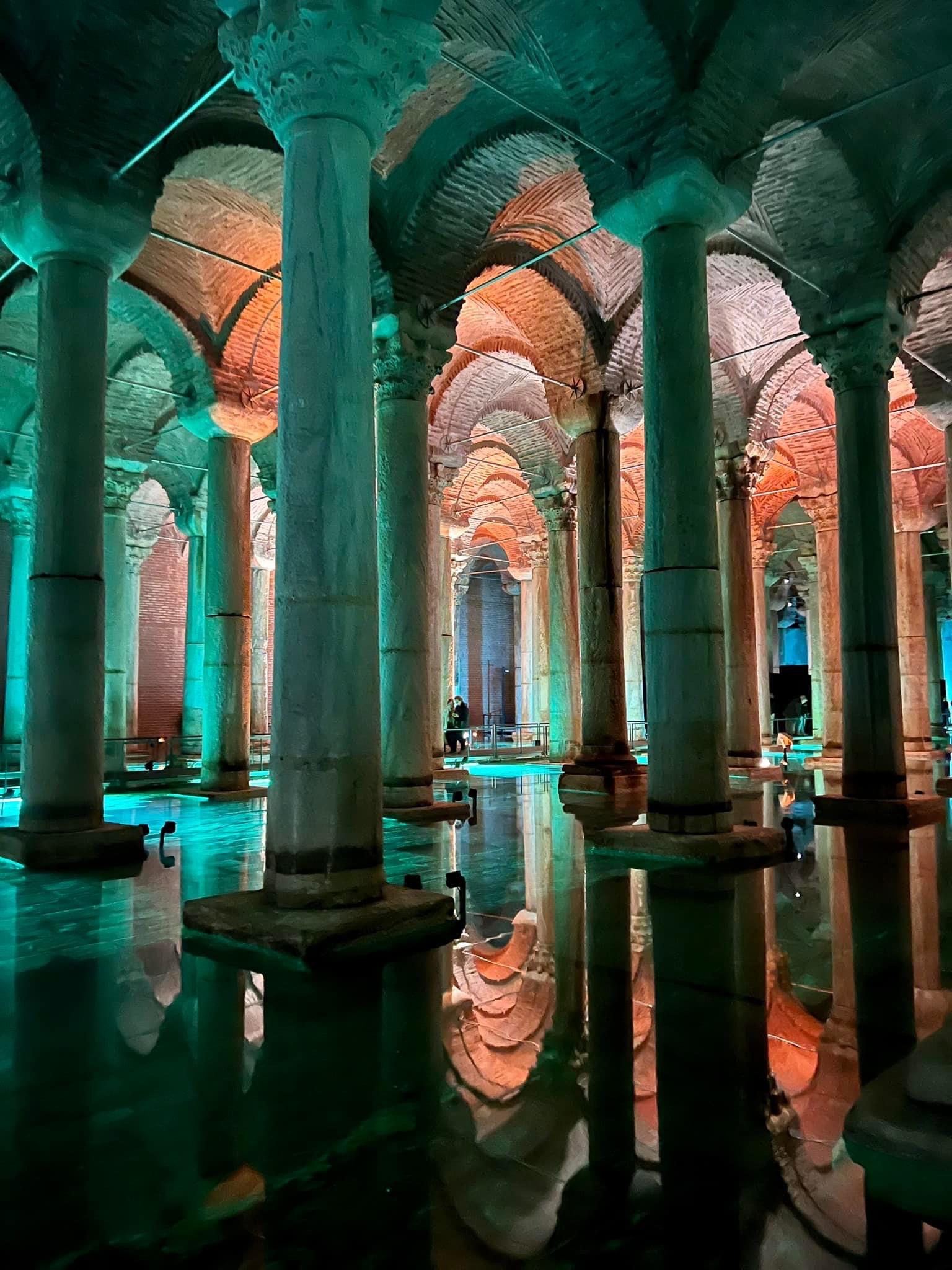
Basilica Cistern

Greetings dear readers. In December we decided to spend Christmas week in Istanbul, a place that holds very fond memories for us, from a visit in 2015. Turkish Air offers a nonstop flight from Malaga to Istanbul (€350 each.) We have always enjoyed being on the road during the holidays, and even though Malaga is very special at Christmas time, it feels deliciously subversive to be someplace where there is virtually no evidence of Christmas.

Istanbul has a newish airport (new to us anyway) and it is a gorgeous, soaring palace with all the excitement you would expect from a busy Asian travel hub. I have never minded spending time in airports, mainly for all the quality people-watching, and these massive modern airports like Istanbul, Madrid and Beijing are thrilling, if sometimes hard to negotiate on a tight time schedule. After a one hour taxi ride we checked in at The Orientbank Hotel, a boutique hotel located in what was once the Deutsche Orient Bank of Istanbul in the Eminönü neighborhood, not far from the Galata Bridge and Egyptian Spice Market. We had views not only of the Bosphorus, but just as good, the local pigeon man on the roof of the old building across the street.

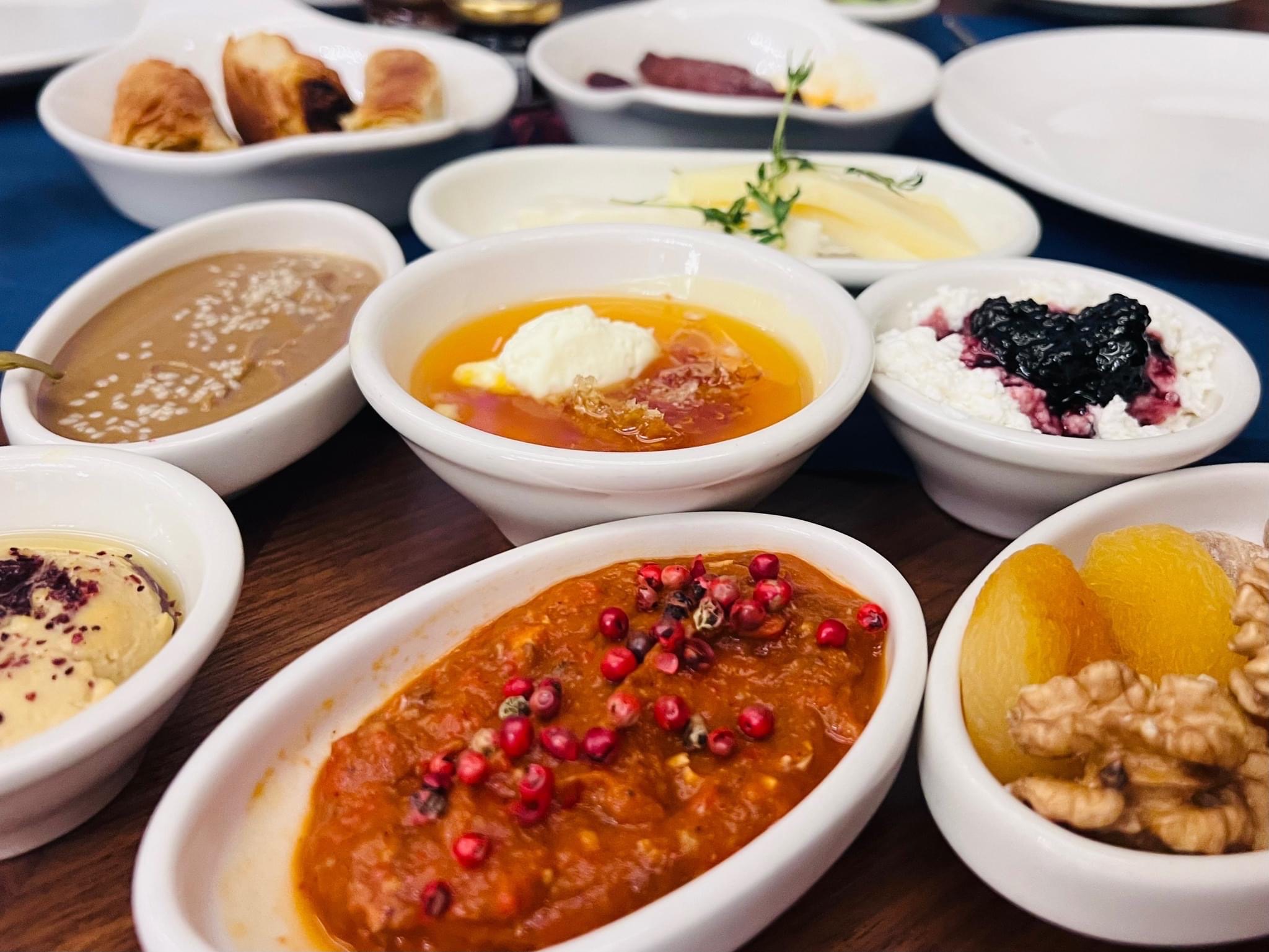
In order of importance: The breakfast at the hotel was incredible. On offer was a choice of an “American Breakfast” (yogurt and granola, boring), an “English Breakfast” (fat chance) or the “Turkish Breakfast” which turned out to be an exotic parade of small bowls of olives, pickles, sliced tomatoes, cucumbers, peppers, tabouli, humus, baba ganoush, fresh honey with cream, falafel, sliced cheese and ham, eggs, bread, pita, and bagels. Oh, and coffee.

The Turkish Breakfast

And after that fortification, we wandered around rubbernecking until we made it over to the Sultanahmet District, home of the most famous of the historic sites like Hagia Sophia, The Blue Mosque, the Basilica Cistern, the Topkapi Palace. Since our last visit this whole area has been corralled into a huge open park space with heavy security (there was a terrorist bombing in the northern part of the city last month, November 2022 so there was lots of visible security everywhere.) On our previous visit we spent a lot of time at the splendid Topkapi Palace so we decided to skip it this time.

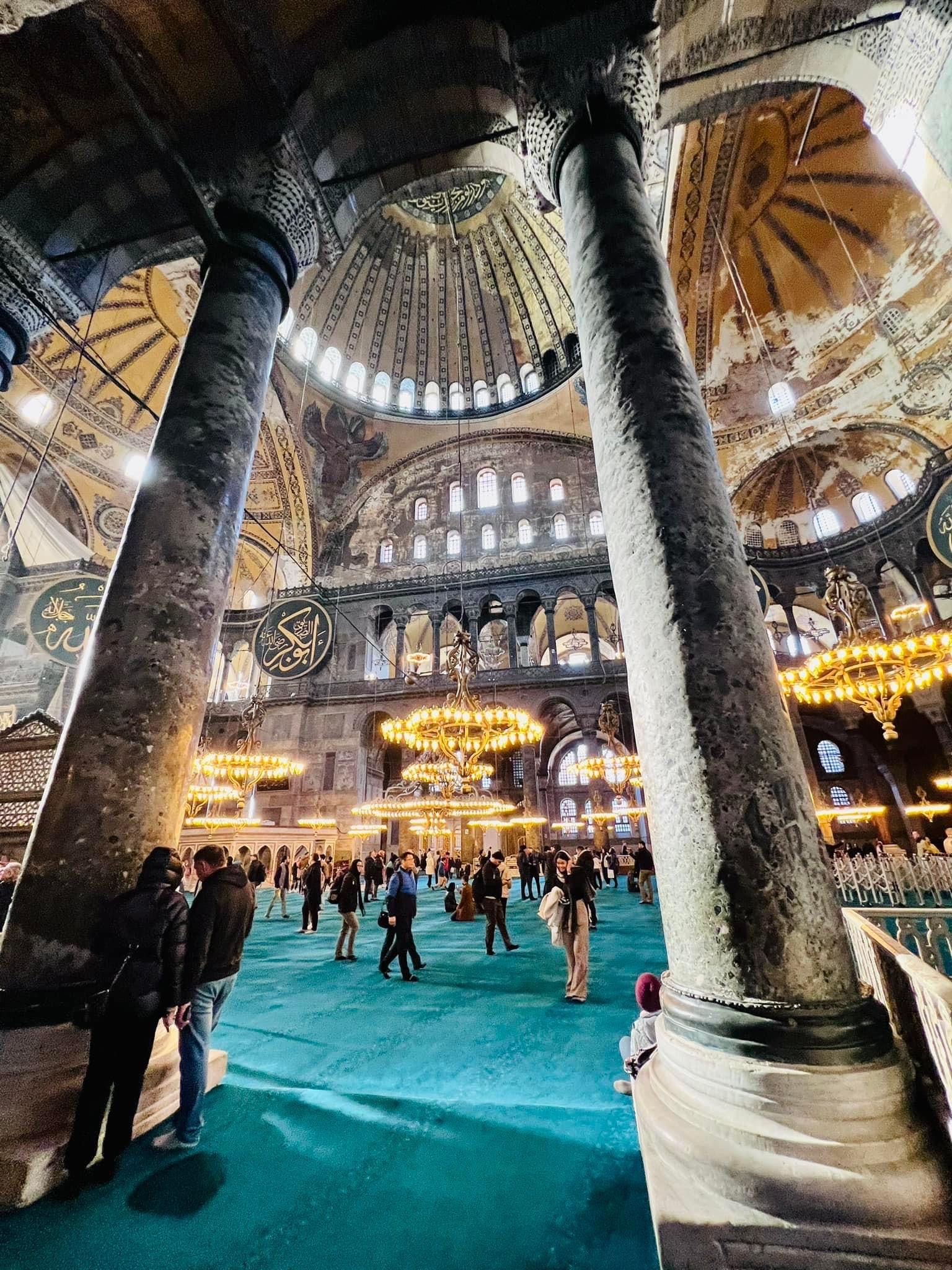
Hagia Sophia

The star of the show in Istanbul is Hagia Sophia. It was first built as a Greek Orthodox Church in 350 AD but it has gone through so many changes and additions over the centuries that it makes Malaga’s history back to the Phoenicians seem paltry in comparison. The current structure was started in the 6th century and it became a mosque after the conquest of the Ottomans, then a museum and, in 2020, it became a mosque again, although it is still open for visitors during non-prayer times. All that riveting history aside, the inside of the building is just breathtaking. It is a huge open area, the ornate dome stretching miles above your head, with car-sized chandeliers hanging almost within reach. Where the grandest European cathedrals also soar above you, it is possible to see the support structure at work with their beautiful interior Gothic arches. Here the vast dome seems to float so far overhead that it is almost inconceivable that such a thing is possible. And it barely was. On completion in the 6th century it was the world’s largest interior space. On our previous trip it was possible to go up to the 2nd level to view the preserved Christian mosaics, but it’s closed now to tourists. Since it is now a house of prayer, the old stone floors are covered by a green carpet and everyone has to take off their shoes before entering so unpack your clean socks that day. And go early. Admission is free but the line gets very long.

My memories of visiting the Grand Bazaar and the Spice Market were of endless dark arcades, where the salesmen grab at you if you make eye contact, or entice you in for a cup of tea in order to sell a carpet, but things seemed more tranquil now. Everyone was quite friendly but there was no sales pressure, actually a bit of a disappointment. I missed the thrill of peril.

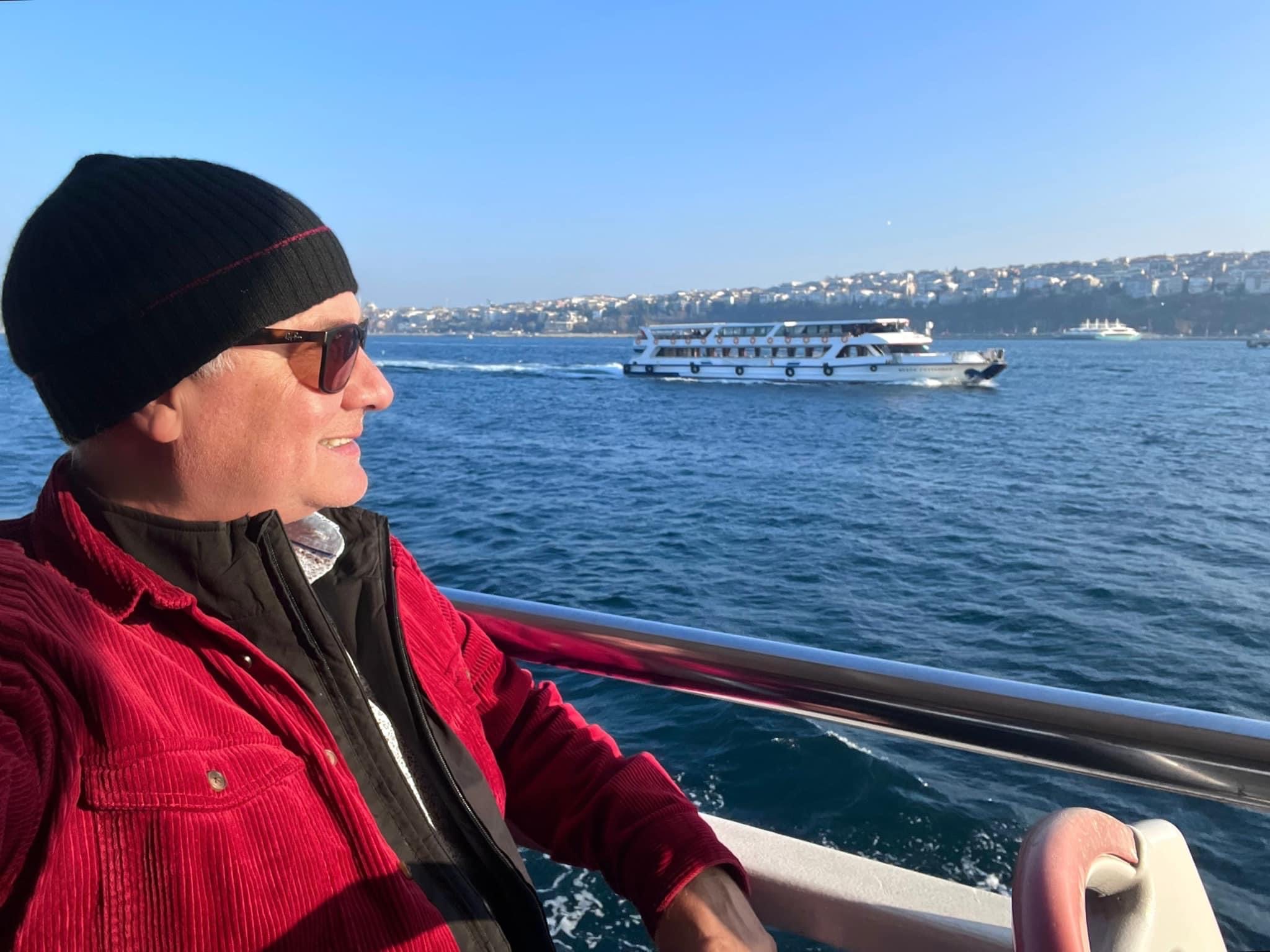
Hector on the ferry to Kadiköy

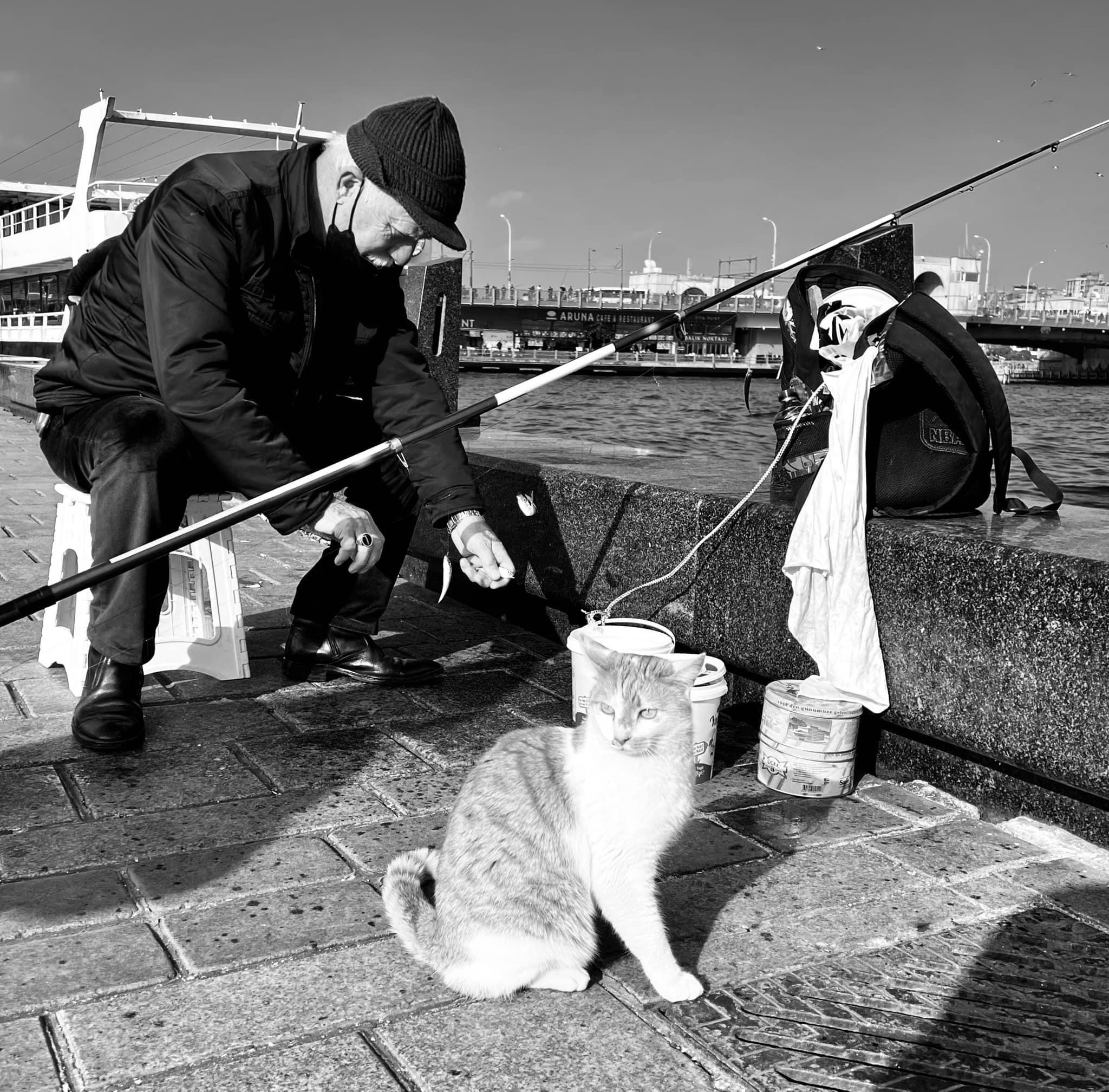
We took a ferry ride (25 cents!) from the Eminönü pier across the Bosphorus to the neighborhood of Kadiköy, bustling and full of locals. Above the port area are streets and streets of markets and restaurants. Çiya serves really delicious home-style Turkish dishes. After the ferry ride back to our neighborhood we walked along the Galata Bridge to watch the hundreds of fishermen catching sardines. The water here in the 1980’s was foul but a serious effort was made to clean it up and by 2012 it was considered safe, so the fishermen returned.

Fishermen on the Galata Bridge

We wandered miles every day, stopping at favorites spots for a glass of wine, and got lost in the dark old streets inhabited by cats in between visits to the famous sites. Istanbul is the largest city on the European continent, at 15 million, and there are people absolutely everywhere but we felt no sense of danger or aggression, even when caught up in the tight crowds around the piers and markets. No shoving, no harsh words.

On our day of departure, our ride to the airport turned out to be a limo done up like a harem inside, with flashing lights and a Persian carpet underfoot. Easy flight back to Malaga and home in time for our cherished New Year’s Eve tradition: in bed by 10pm and early brunch at the Hotel Miramar.

Next up, a road trip to historic Cadiz, on the Atlantic coast!

Winter 2022

December 2022

After returning from Mexico on October 1 we moved back into our apartment on Calle Ollerias in Malaga. This entailed renting a van, loading our boxes at the storage space where they’d been languishing for 2 months (Spain loves storage facilities as much as Americans), then hauling it all up to the top floor in the elevator the approximate size of a coffin, proving yet again that you never get too old to move your own shit around. Fortunately we have a parking space in the building’s garage.

At the end of October we spent a long weekend in the always-entertaining city of Palma, Mallorca. We visited last year for a very fun getaway right after lockdown (see my previous post Mallorca.) Palma is a magnet for the Instagram weekenders, due to its glamor quotient, but it is also home to about 400,000 residents, one of whom is our friend Birgitta. And lucky us, she invited us to her birthday party. The invitation had descriptors like dancing, yacht, cocktails; the kinds of things that get our attention. Easy direct flight on Vueling Air. One short diversion, in the Malaga airport I forgot how old I am and ducked under one of those retracting bands designed to keep stupid people from wandering around and hurting themselves, and I’m sure I don’t need to say it… I tripped over my rolling suitcase and landed hard on my right knee. And now I can admit my greatest theatrical role has been acting as if: 1. it didn’t happen, 2. it wasn’t excruciating.

Palma de Mallorca

Like most of this part of the world Mallorca has a very busy history. It sits in the Mediterranean between Spain and Sardinia, sort of south of Barcelona: hard for marauders to miss it. Not counting some humans living here as far back as 3000 BCE, Mallorca was claimed by the Phoenicians, Carthaginians, Romans, Vandals, the Moorish Caliphate of Cordoba, James I of Aragon, then the Bourbons, leading up to the brutal and unexpected occupation by the Tourists. If Santa Barbara and Monte Carlo had a baby it would be named Palma and it’s always ready to pose for a selfie.
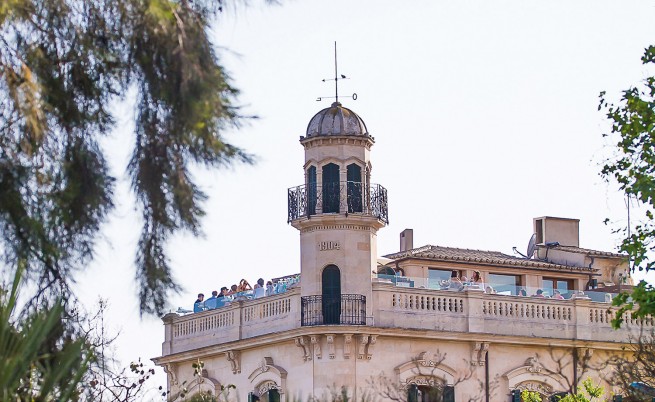
Hotel Hostal Cuba

We stayed at the Hotel Hostal Cuba, a small boutique hotel in the beautiful city center, not far from the bay. On Friday evening we taxied over to the Portixol Hotel for drinks, dinner and meeting all Birgitta’s glamorous friends. All the Swedes were thin, gorgeous and successful, and we had a fun, gossipy time at our table. After many loving speeches in Birgitta’s honor, there was dancing, except for those sitting in the corner due to foolish mistakes earlier in the day.

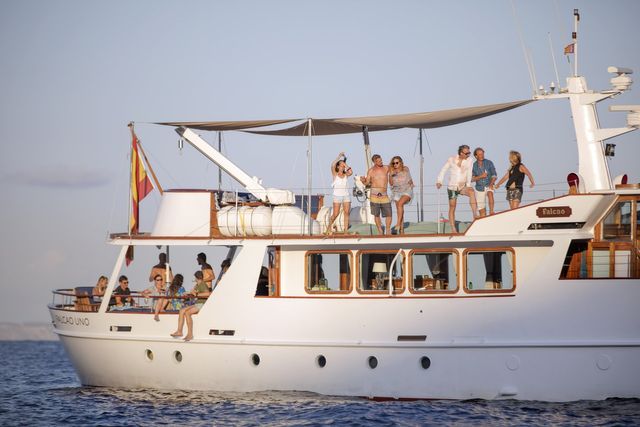
The Falcau Uno

Next day, sun blazing, we strolled to the pier to catch the ship, the Falcau Uno, taking us out to the bay for swimming, lunching, more dancing to live music. Palma Bay is very picturesque, very calm for the hungover, and very entertaining with all the movie stars and trillionaires swooping past on their superyachts. Back to the hotel for a rest, then late cocktails in the lounge at our hotel with farewells to our new friends and Birgitta’s family. Next day, early departure, back home to Malaga and more of this tiresome sunshine every day.

November brought visits from California friends and it was perfect weather for showing off the city. Warm breezes, full sidewalk cafes, beaches still loaded with hearty (Nordic) tourists. Late in November the Christmas decorations started going up and the locals, including us, got a spring in our steps. Everyone went home to pull out their winter sweaters even though it’s still in the 70’s.

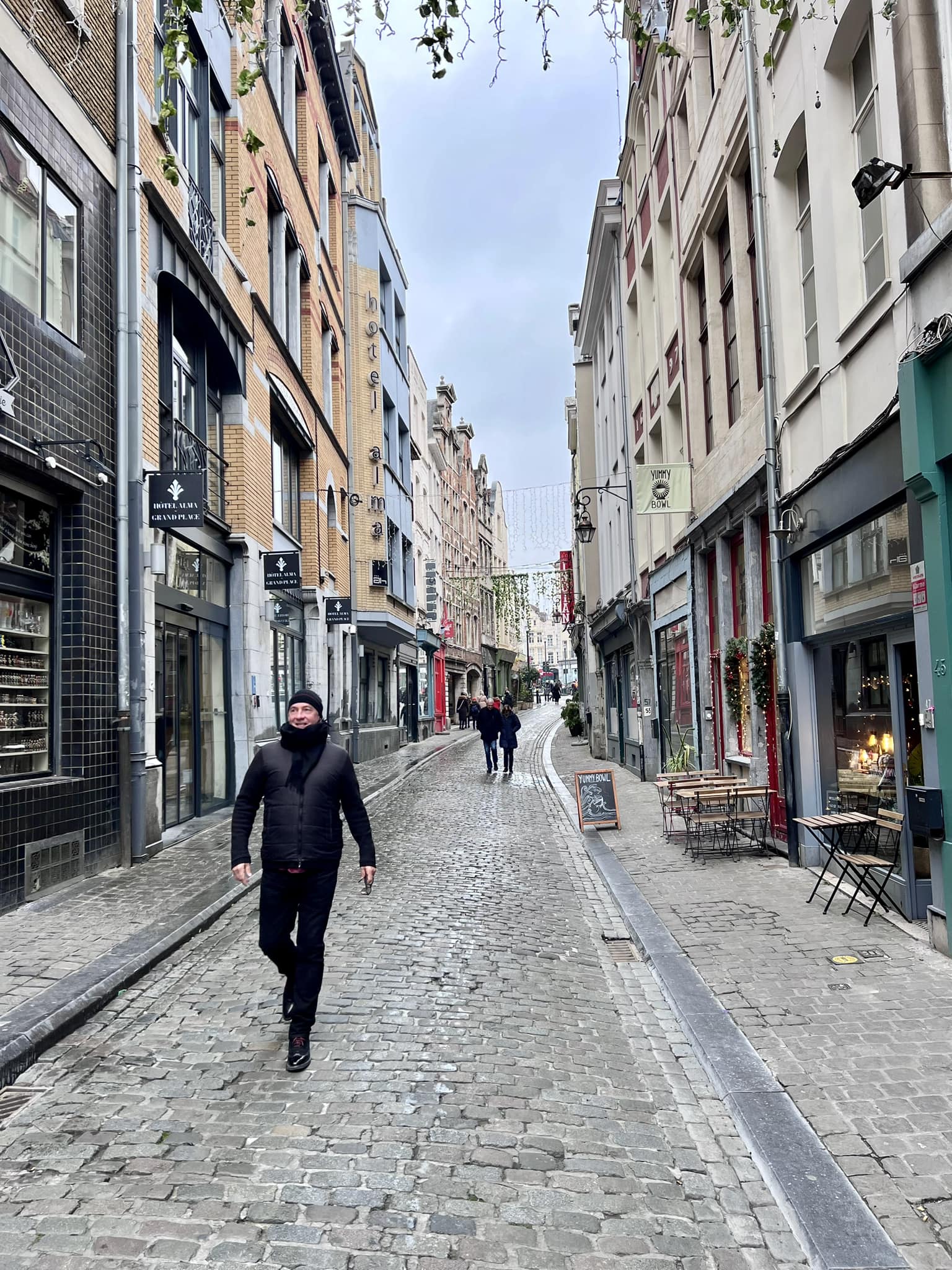
Last year we had planned to make a visit to Brussels but covid complicated things so we decided to go this year, to see the Christmas Markets. We arrived on December 1, direct on Brussels Air, and checked into the Dominican Hotel, not too far from the Grand Place and historic center. Brussels is the seat of the EU government so it has that bureaucratic look and lots of official-looking people bustling around all the gorgeous plazas. But also lots and lots of tourists, especially during Christmas Market season.

Hector in Brussels

The Ramirez-Berrier standard survey of nationalities found the graph to be heavy with Spanish speakers so qué va! for that. Starting in early afternoon, the historic center is packed, with the Grand Place being the heart of it all, and no wonder, since it is very imposing, very much a fairy tale locale. It’s easy to imagine crowds of medieval peasants huddled in the center. In the 16th century there were a lot of burnings and beheadings here, so a free treat for the kiddies.

Fighting the cold at Galerias Sant Hubert

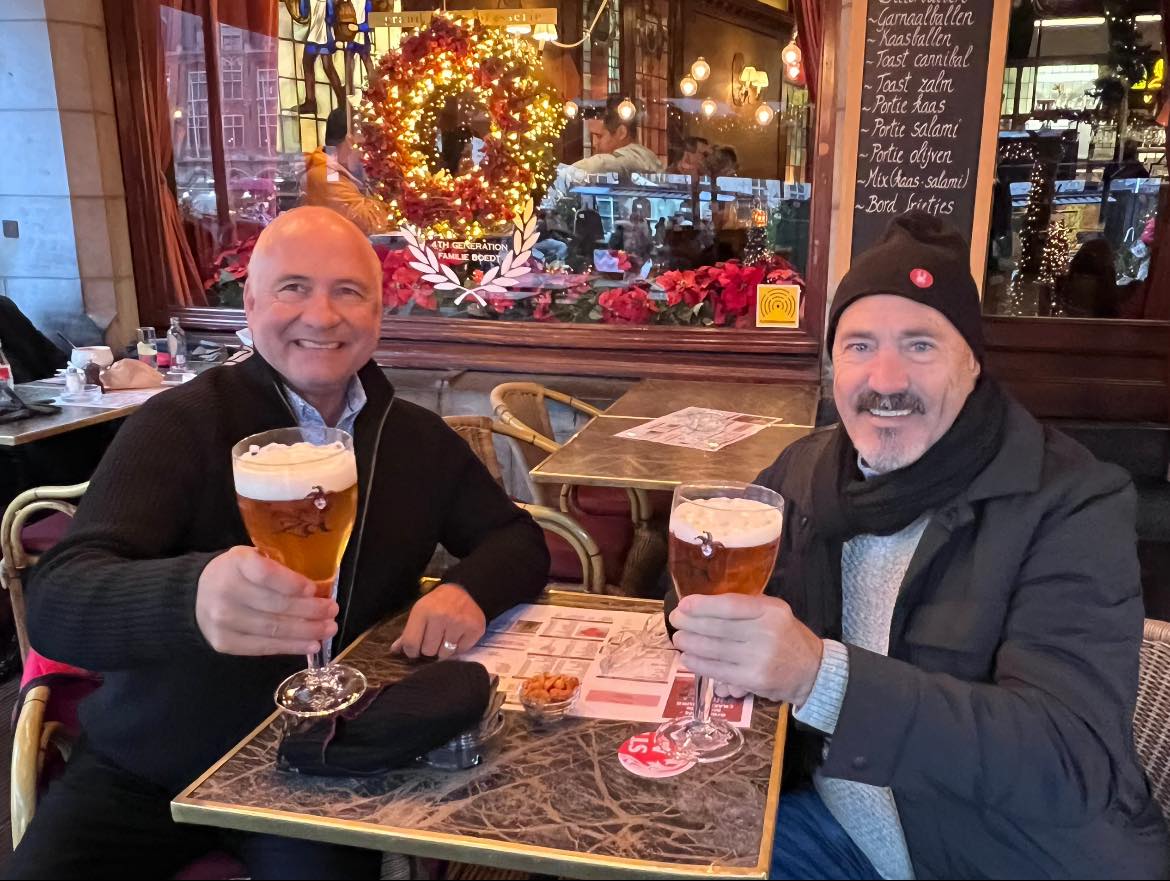
We did our own fair share of selfie-taking and stumbled into a charming shopping gallery nearby, the Galerias Sant Hubert, a great spot to escape the freezing temps and have a coffee or, more likely, several large Belgian beers. The actual Christmas Markets were a bit subdued, sprinkled around numerous construction sites. But they had all the festive offerings: hot wine, sausages, and local crafts.

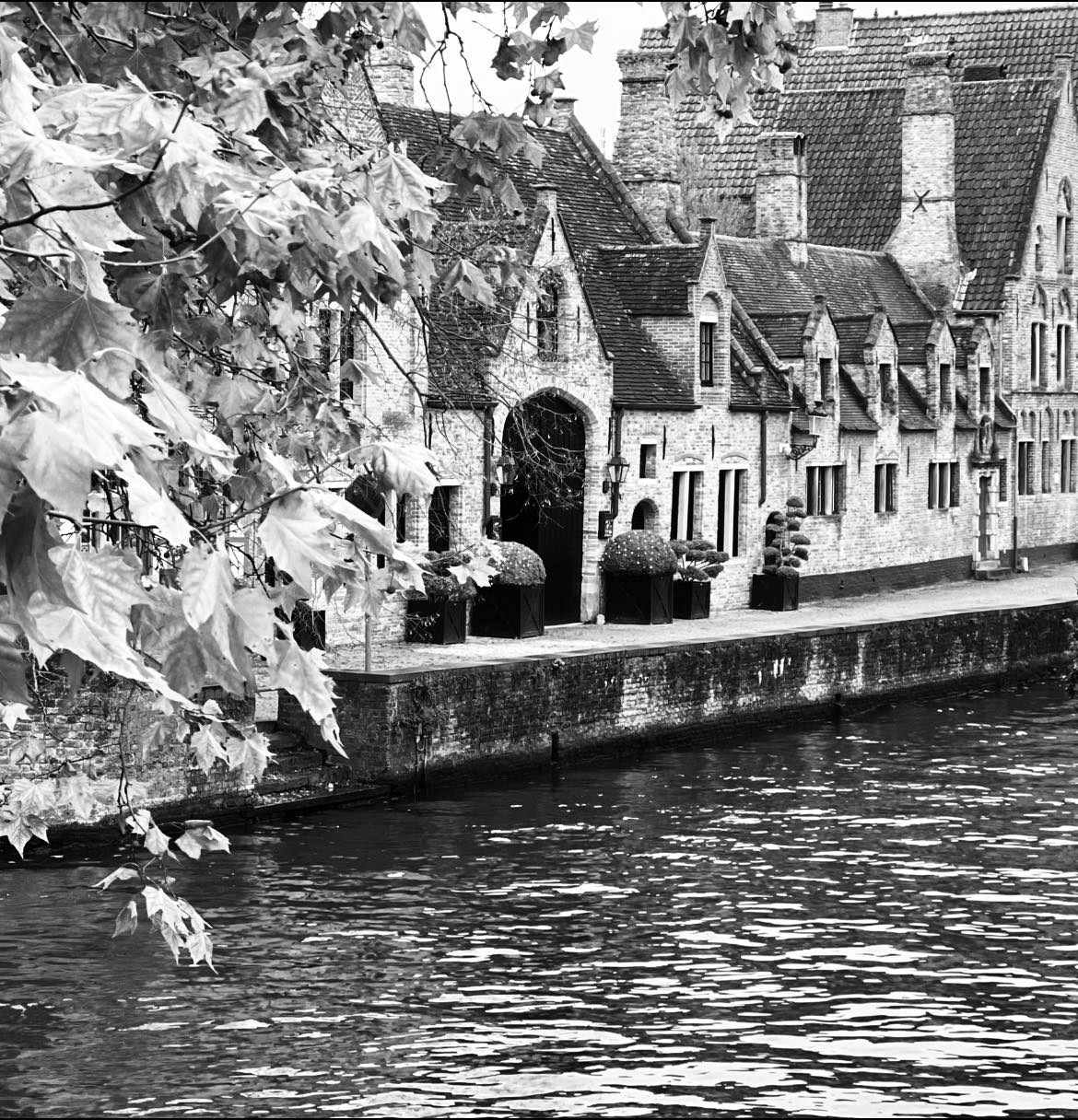
We had a good time with some of Hector’s Up With People buddies from many years ago. Travel is always always better when you know fun locals. We also took an early train over to Bruges for the day, an easy trip I highly recommend because it is an unbelievably gorgeous little city. We were here about 20 years ago and it hasn’t lost its charm at all. We wandered through the canals, the many boutiques and had a great lunch before returning to Brussels.

Bruges

Back in Malaga, finally warm again. Coming up, a return to Istanbul for Christmas week. Stay tuned!

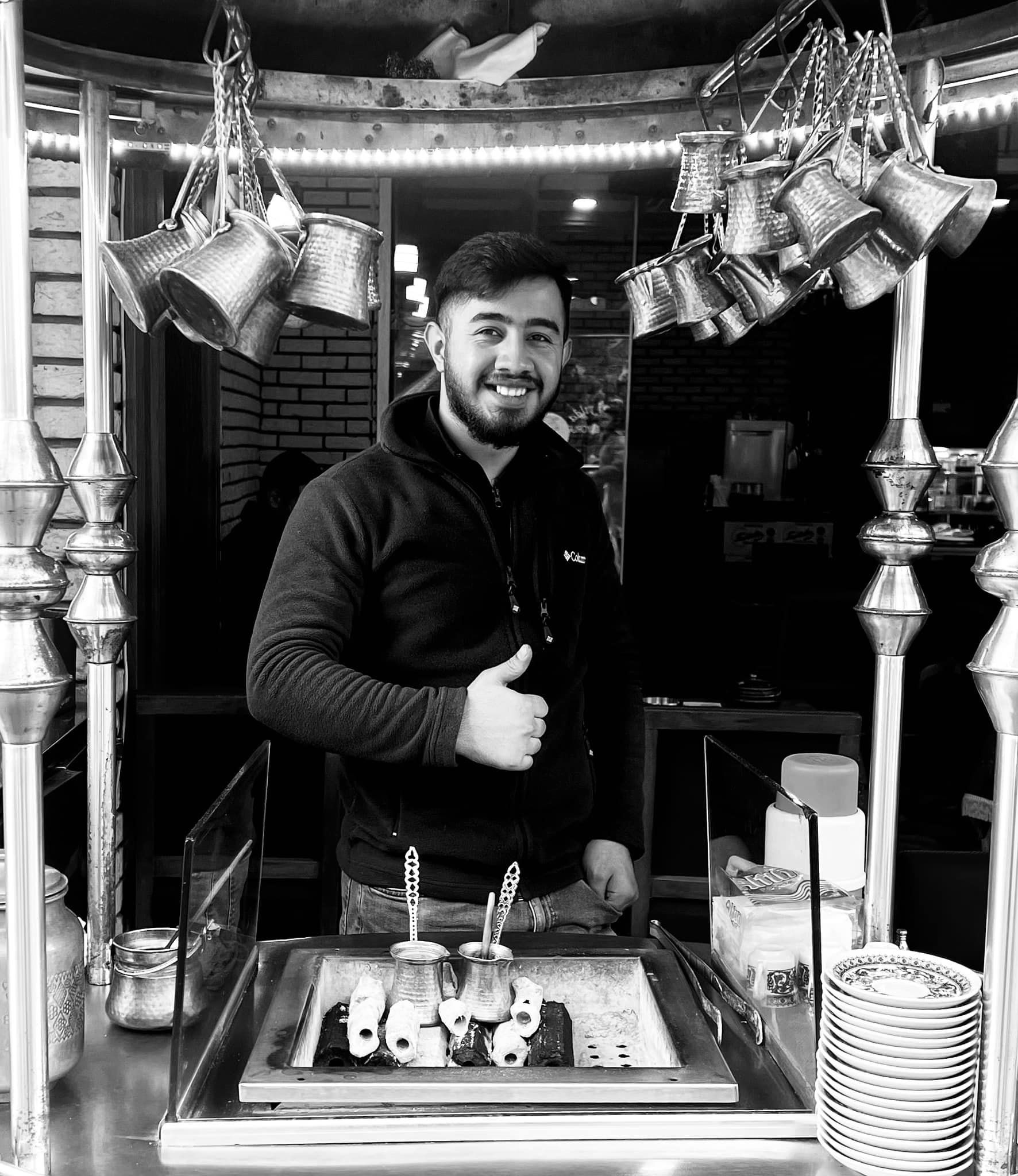
Istanbul vendor

Mexico City

September 2022

Since I’m behind in my postings, as always, let me just remind you that: we are in Mexico, it is still summer, it is still very hot where you are and it is not actually the middle of December with several inches of snow outside.

When we arrived in Mexico City they were all still going on about their earthquake (OUR earthquake!) which had shook them around a bit as well. Our hotel, the Marriott Reforma, has a huge rooftop open terrace and I imagined being up there on the 16th floor, rocking and rolling like the Titanic, so I think we were lucky to have been on the 4th floor in Vallarta. We met up with our travel buddies, Tere and Martín, in from Los Angeles for the week. Martín came armed with a list of the top 50 bars in the world, 3 of which are in Mexico City.

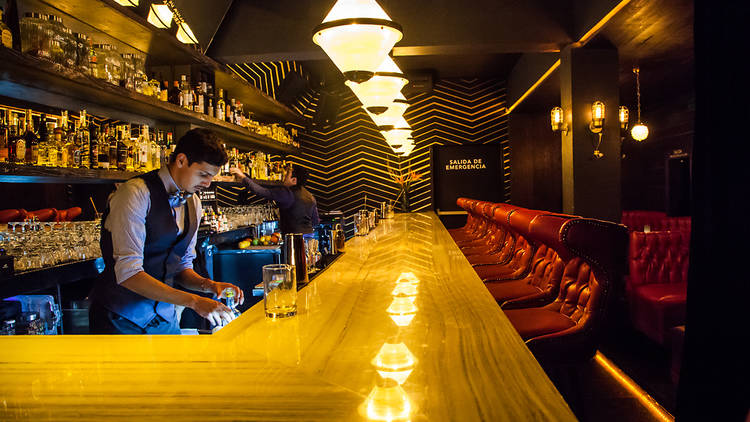
Hector and I have discovered over the years that the secret to getting into popular places is simply to go early, the drawback being that you might be the only ones in the place. So we all went over to the Roma Norte neighborhood to visit Huset, small bar/ big restaurant, with great drinks and friendly mixologists. They sent us over to Hankypanky, a trendy bar that is set up like a speakeasy, with a fake Oaxacan cafe in front. If you are allowed in, as we were eventually, you sneak in through the broom closet. Inside is a flashy private club. Low light, with deco chandeliers, one room set up like a library. After a couple of cocktails we exited through the beer fridge back out into the pretend cafe, waving to the waiting line like Halston and Liza Minelli.

Hankypanky Speakeasy

Next day the 4 of us took a very long taxi ride to the neighborhood of San Ángel. Most of our taxis were old tin cans with no shocks, so they were coasting about half an inch above the asphalt, making for a very sensory trip. San Ángel on a weekend can be a crowd challenge but all the vendors and shops were going full blast, so there’s that. It has a small zocalo, that day filled with local artists, and is surrounded by native arts on the street for sale, with the pricer boutiques inside the old colonial buildings nearby. There were lots of tourists. And let’s just extend that description to the rest of this whole visit to Mexico City. There were people.

Oxa

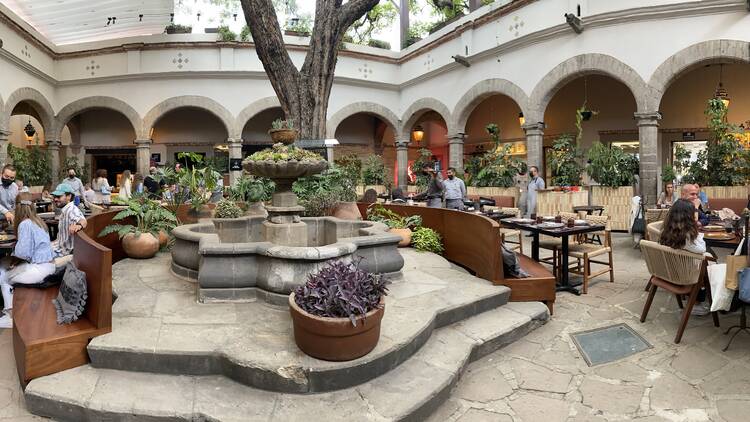
We had lunch at Oxa, an energetic restaurant in the courtyard of a 16th century mansion across from the zocalo. Trendy Mexican fusion like we have been discovering all over Mexico. Ex: Aztec Caviar Infladita (Fried tortilla filled with ant eggs caramelized in butter and lemon cream) So there you are. My own choice of suckling pig was delicious if less creatively named. We then did some shopping (beautifully hand-stitched textiles) and squeezed back into a clown car for the trip back to our hotel.

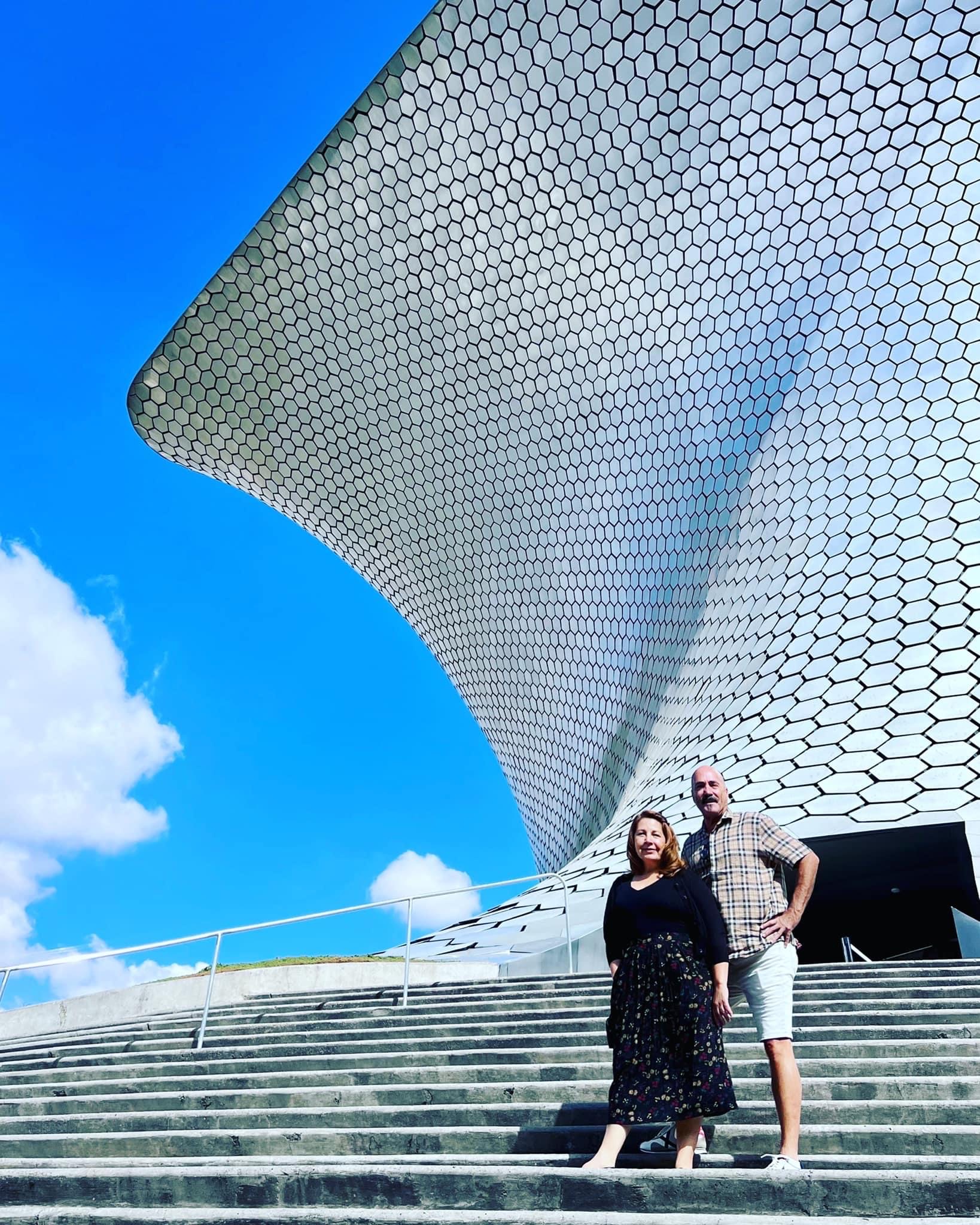
We spent the next day visiting the Soumaya Museum, a striking building which houses a private collection of more than 60,ooo pieces spanning 30 centuries. Founded by one of Mexico’s richest robber barons, Carlos Slim, from his own collection, it is such a surprise because there is just so much to see as you wind down a continual spiral around the 6 floors of central galleries. Also a surprise because it cost nothing to visit. From there we walked to the Museo Nacional de Antropologia, a vast 1960’s building housing the huge collections of indigenous heritage, the stone Aztec carvings and artifacts from historical sites all over Mexico. The gardens hold temples and enormous stone sculptures of the deities. Quetzalcoatl, Huitzilopochtli, Tezcatlipoca, Tonatiuh. You know, them.
Tere and me at Museo Soumaya

Closer to home, currently Paseo de Reforma, we wandered through the Condesa neighborhood, a former private estate acquired by the city and now a fashionable, shady enclave of parks and mid-century homes and apartment buildings. The Avenida Amsterdam encircles the whole neighborhood and, of course, there are adorable little cafes and boutiques everywhere, with old ladies and their chihuahuas, and nannies pushing rich babies around. But it is very attractive for a stroll, a few cocktails and the outstanding people watching.

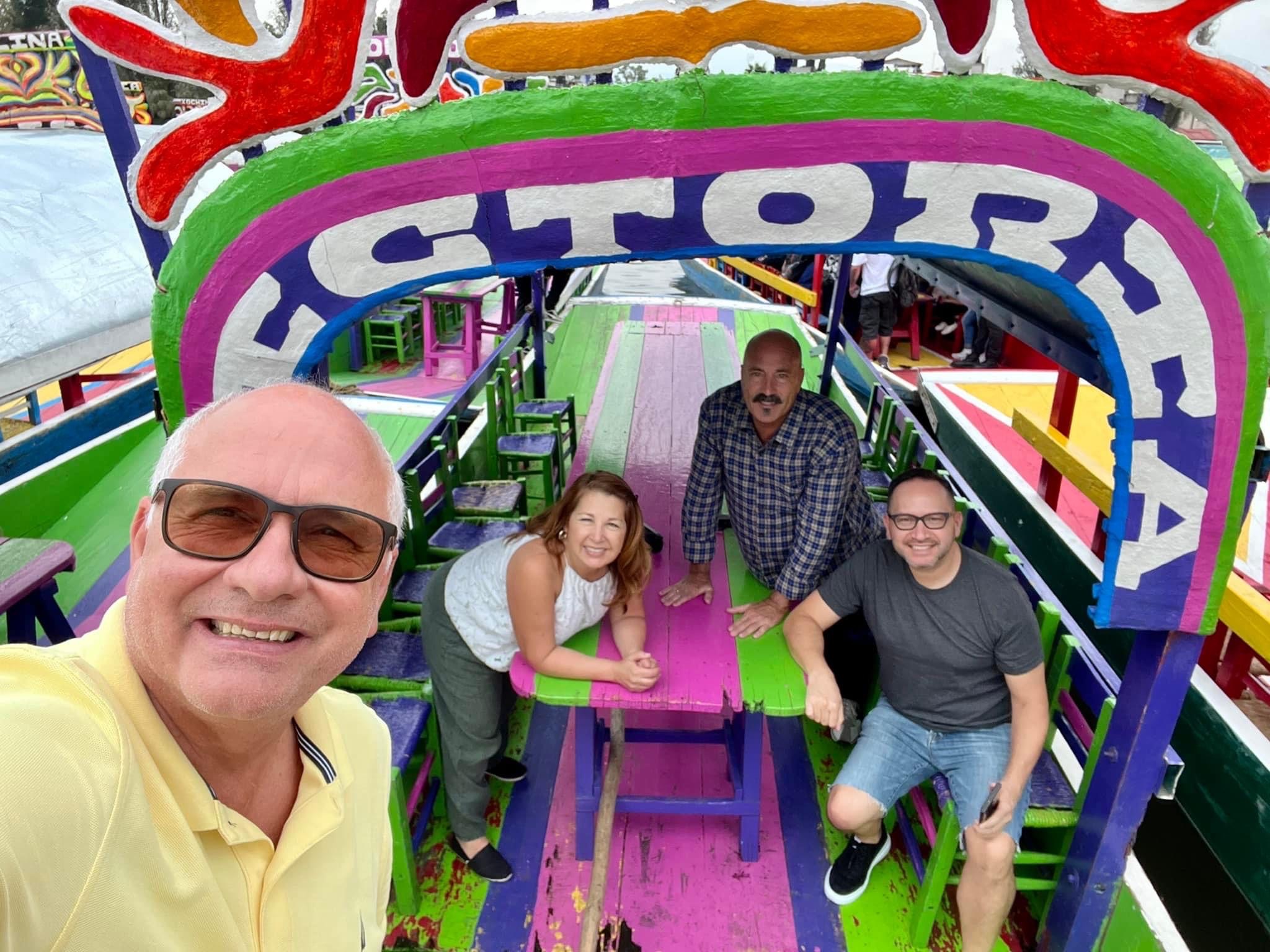
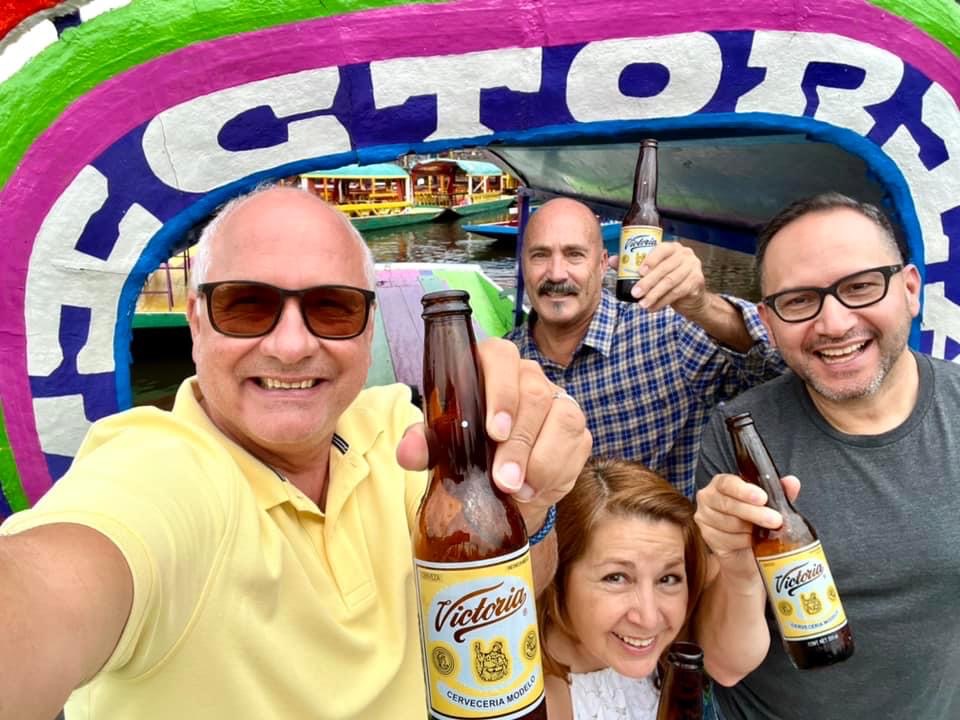
And my very favorite day: Xochimilco, “a gritty working-class neighborhood which gives way to the famous canals of Xochimilco, the last remnants of a vast water transport system built by the Aztecs.” (my academic research extends only as deep as Wikipedia) So walking through the streets of the town toward the canals it doesn’t seem likely you are going to find anything remotely touristy but suddenly there they are- the famous gondolas tied at the dock, the guides come running out, you arrange a trip (the four of us had our own private gondola for around $100 US for 3 hours. Bucket of beer and food extra.) For the next few hours we floated through the narrow canals, gondolier passing along jokes and information. It was Sunday so there were many local families and groups celebrating in the other boats, small gondolas selling fresh tacos, elotes, tequila shots. Gondolas with mariachis jumping from boat to boat for a few pesos to play your requests. The many gondolas got packed together in some areas, so there was much laughter and yelling back and forth, as the guests all toasted each other for their happy birthday, anniversary, wedding day, wake, whatever. It was a very happy day of many surprises, so I recommend it without hesitation. Go on Sunday.

Xochimilco

Throughout this week, we had some great local food and then Hector and I, on our final night, treated ourselves to dinner at Pujol, which was named as Mexico City’s best restaurant, so we were lucky to reserve a table (months in advance) for dinner at 6pm. The signature dish is mole, a very traditional dark sauce. Here, as part of a tasting menu, two types are served simply on a plate with tortillas. The rest of the evening consisted of one priceless gem after another, served by a choreographed array of super models and future movie stars. The room was gorgeous, the cocktails were nectar, food ambrosia. (Check astronomical)

On previous trips, I had always felt a little nervous about Mexico City’s size, reputation, volume etc, but this time it felt safe, exciting, and welcoming. We are already planning our return.

Oh yes, finally, back to Spain, tra la, and it wasn’t too long before we hit the road again–for a glamorous weekend birthday celebration in Mallorca, which included yachts, exclusive hotels and me with an injured knee. Stay tuned.

Mexico pt 2

September 2022

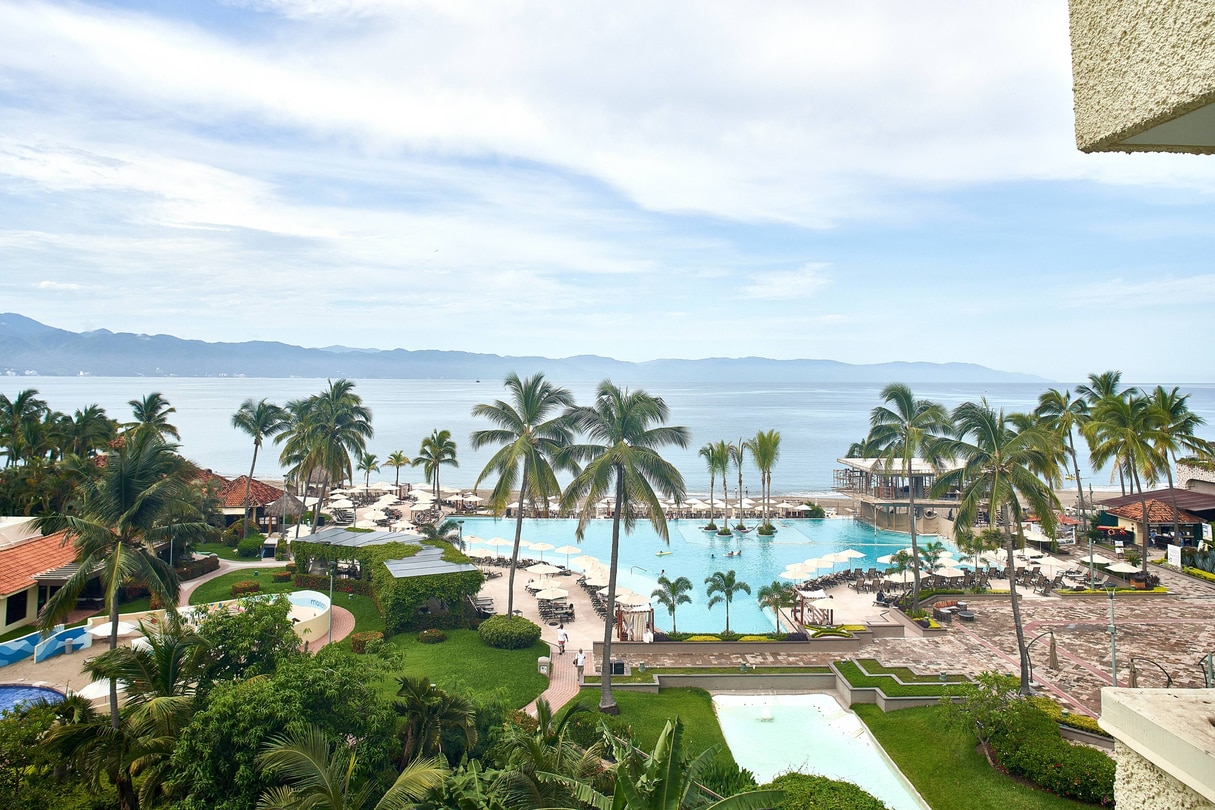
If you’re wondering if we are ever going to leave Mexico the answer is yes. After Oaxaca, we did a short 2 night break (a vacation vacation you might say) in Puerto Vallarta, where the weather was sublime, the tourist season was low, and the hotel pool was the size of Lake Erie. At our old favorite, the Marriott Puerto Vallarta, they gave us an upgrade to a suite larger than many of my apartments and we passed 48 happy hours there. Then (using the last forlorn drop of our Southwest Airline points) we flew to Albuquerque and on to Santa Fe!

Hotel Marriott Vallarta

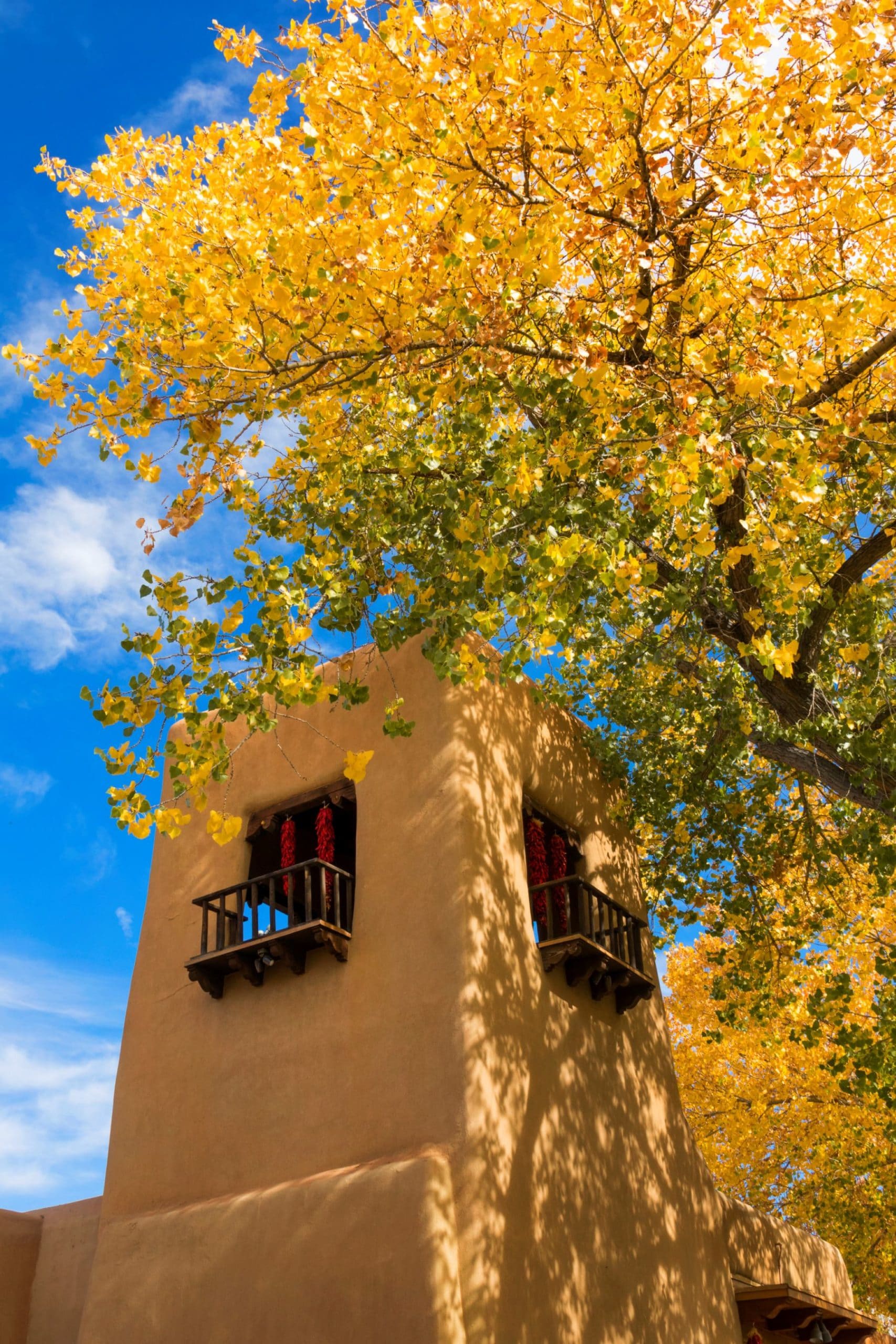
It was autumn there, always an extravaganza of color, with that smell that can only be found in Santa Fe: wood smoke + pinon + Hatch chiles. We ran errands, made a few drives out to Abiquiu Lake and beyond (code for the casinos), and saw as many of our friends as possible. We were housed by more generous friends, we are indeed blessed. There is no point in asking yourselves what we ate, just know it was everything: almost all our old favorite places were still going strong: Cafe Fina, Pantry Dos, Plazuela, Pasqual’s, Geronimo. It was a particular goal of mine to eat as much bacon as I could without actually dying, since it has so far been impossible to find edible bacon in Spain. And I must say I performed admirably.

Santa Fe

Then back, yes, to Puerto Vallarta for 2 weeks. We have been very lucky all through Mexico to be catching all their monsoon seasons, so we had sunny, warm days, with dramatic thunderstorms in the late afternoon. We did a couple of beach days (Mantamar Beach Club, gay, gay, gay) and a lot of walking around, since we chose not to rent a car here. In Vallarta, taxis are plentiful and cheap. The city was very clean, maybe all that rain. We visited some of our restaurants, although September is so quiet that a lot of places shut down for the month. A new discovery was Tintoque, just around the corner from our airbnb, on the bank of the Rio Cuale. It’s a beautiful spot and the inventive menu changes daily. Fusion has arrived in Vallarta, as well. Hector visited a lot of street taco places, we visited Garbo’s bar a few times and had late night al pastor tacos at Los Molcahetes.

It was also apparently earthquake season in Vallarta because we caught a 7.6 one afternoon. Our building started to shudder and shake and by the time we agreed yes it was, indeed, an earthquake, we were rolling and tipping and the people below us were screaming bloody murder. I opened our front door just as waves of water crashed down through the atrium, escaping from the rooftop pool. We gathered our passports and cash, building still rocking, and raced down 4 floors to the street, where we found pandemonium. It was thrilling. In the end, there wasn’t much damage in Vallarta but it was felt as far away as Mexico City.

The weather in September can be dramatic along the Pacific Coast. With the strong waves, sometimes they close down the malecón, the coastal walkway, and there are constant rumors, gleefully spread by the locals, of crocodiles washing down the overflowing river into the bay, and eating the tourists swimming there. We will keep you posted on any confirmed sightings.
Next stop, Mexico City with our old travel buddies Tere and Martín, and it was a week so jam-packed with fun and adventure that it deserves its own post, coming soon.

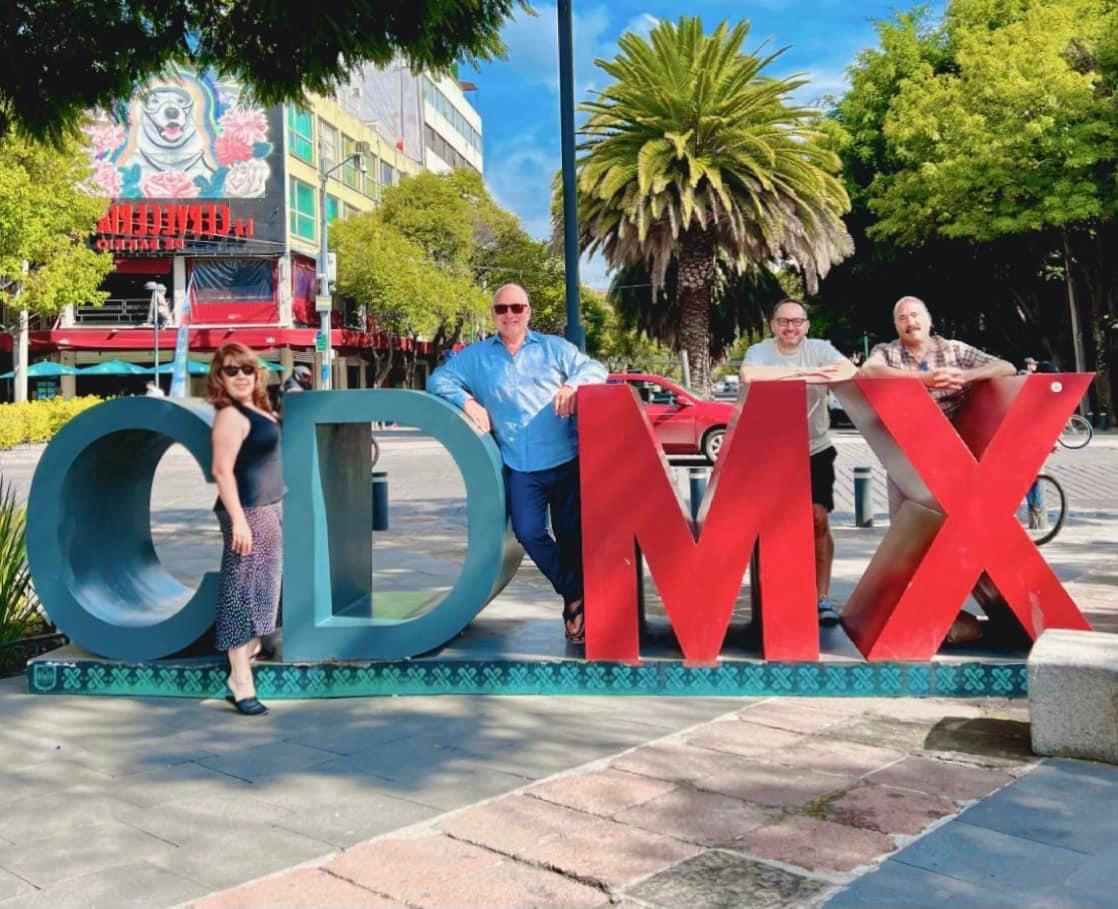
The Passport Posse rocks Mexico City!

Mexico pt 1

August 2022

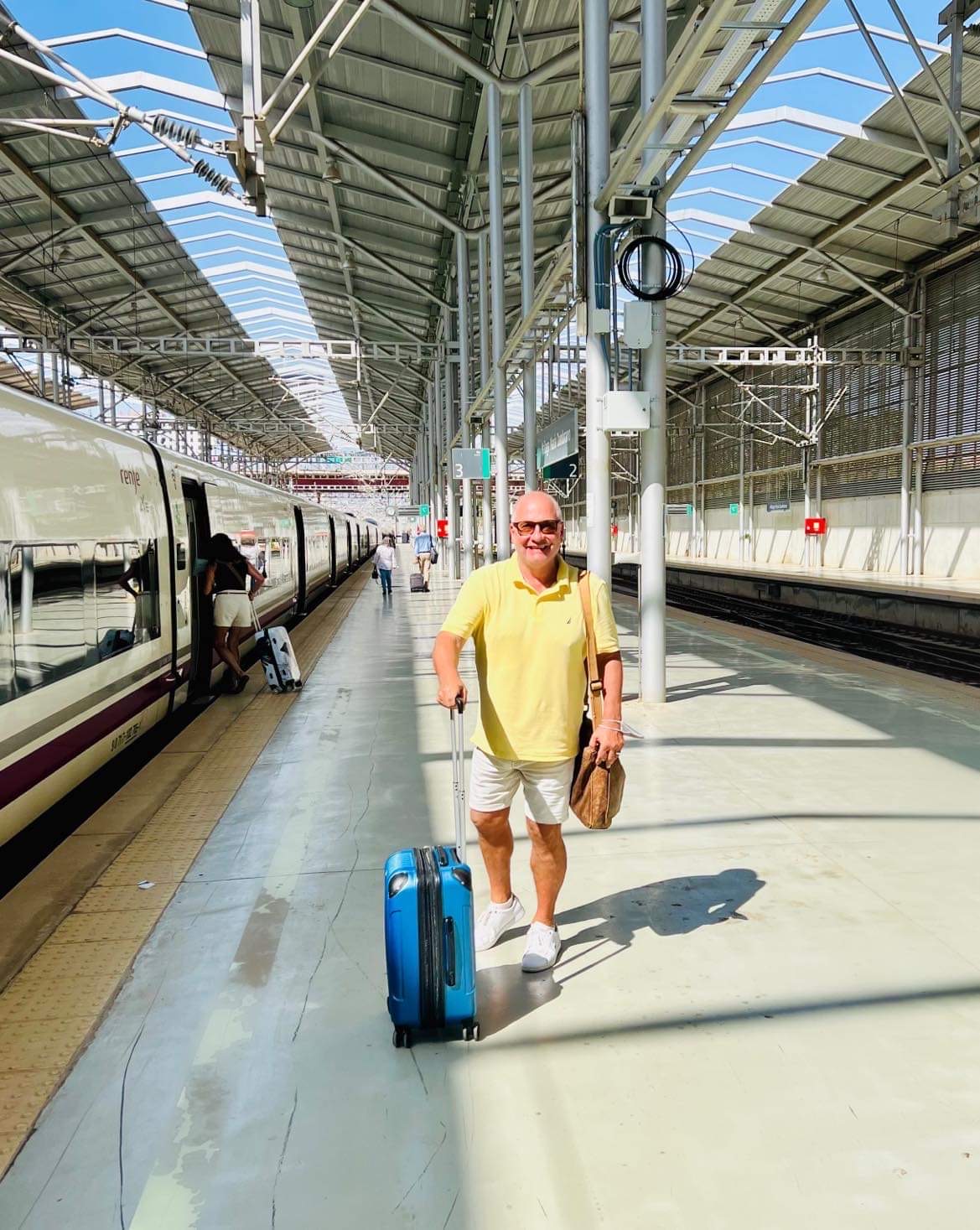
Start of our trip at Maria Zambrano train station in Malaga

We started our trip in the usual way: high-speed train from Malaga to Madrid, and a night at an AC Hotel. This time it was the AC Atocha, near the train station, but far enough from the hot spots that it only costs about 100€ per night. Madrid was predictably hot as hell but by this point in the summer it was never going to be anything else. We discovered a new restaurant, Rosi la Loca, small and popular, with really good dishes served in outlandish colorful bowls. Hence the Loca. We are on a mission to discover more interesting places to eat in Madrid so this was a good start.

Next day, after a quick dip in the Iberia VIP Lounge, we hopped on our nonstop flight to Mexico City. Two movies and a valium later, we arrived- like magic! This direct Spain to Mexico flight cost a bit more than we are used to paying but it was worth it to avoid a change in the US or anywhere else during the busy summer travel season. Mexico City airport is pretty basic and easy to navigate. We checked no bags, so it was a quick visit to immigration and a taxi to our hotel, Le Meridien on Paseo Reforma. I can’t really recommend it, it’s a bit tired. I admit I was seduced by the glamorous photos online. It turned out the Marriott down the street was the same price and it’s a better hotel.

Mexico City was wonderfully cool and we spent the day wandering and eating, no change from our routine there. Early the next morning we made our way to the Norte bus station for the first of our adventures, a first class bus to San Miguel de Allende. (Primera Plus, although there are several companies running the same routes) These buses are famous for being efficient and comfortable. Not to mention cheap. I have no idea how they make any profit since the seats cost us about $35 each. It was a very comfortable 4-hour trip. We sat in the front row like two grandfathers with a running commentary on the chickens and dogs along our route.

San Miguel de Allende

For anyone who has not been, San Miguel de Allende, Mexico is a very picturesque colonial city that sits at 6000 feet above sea level, so it is often cool and green when other places (Madrid comes to mind) are torturous in August. We’ve been there a few times in recent years but this was our first post-covid visit. All the parks, all the museums were wide open. Like in Mexico City, locals were still wearing masks everywhere. As in hundreds of historic downtowns worldwide, the cathedral (above) is the center of the city and most of the public activities start here. There are also very colorful little neighborhoods close by with their own personalities. San Miguel is very easy to walk around everywhere, but the sidewalks are often narrow and the streets cobbled so the locals are routinely assisting expat seniors sprawled in the gutters and I myself have been there more than once. We got to stay 3 weeks in the lovely home of some generous friends, but they sold it as soon as we were out the door, so I guess we’re burning our bridges behind us.

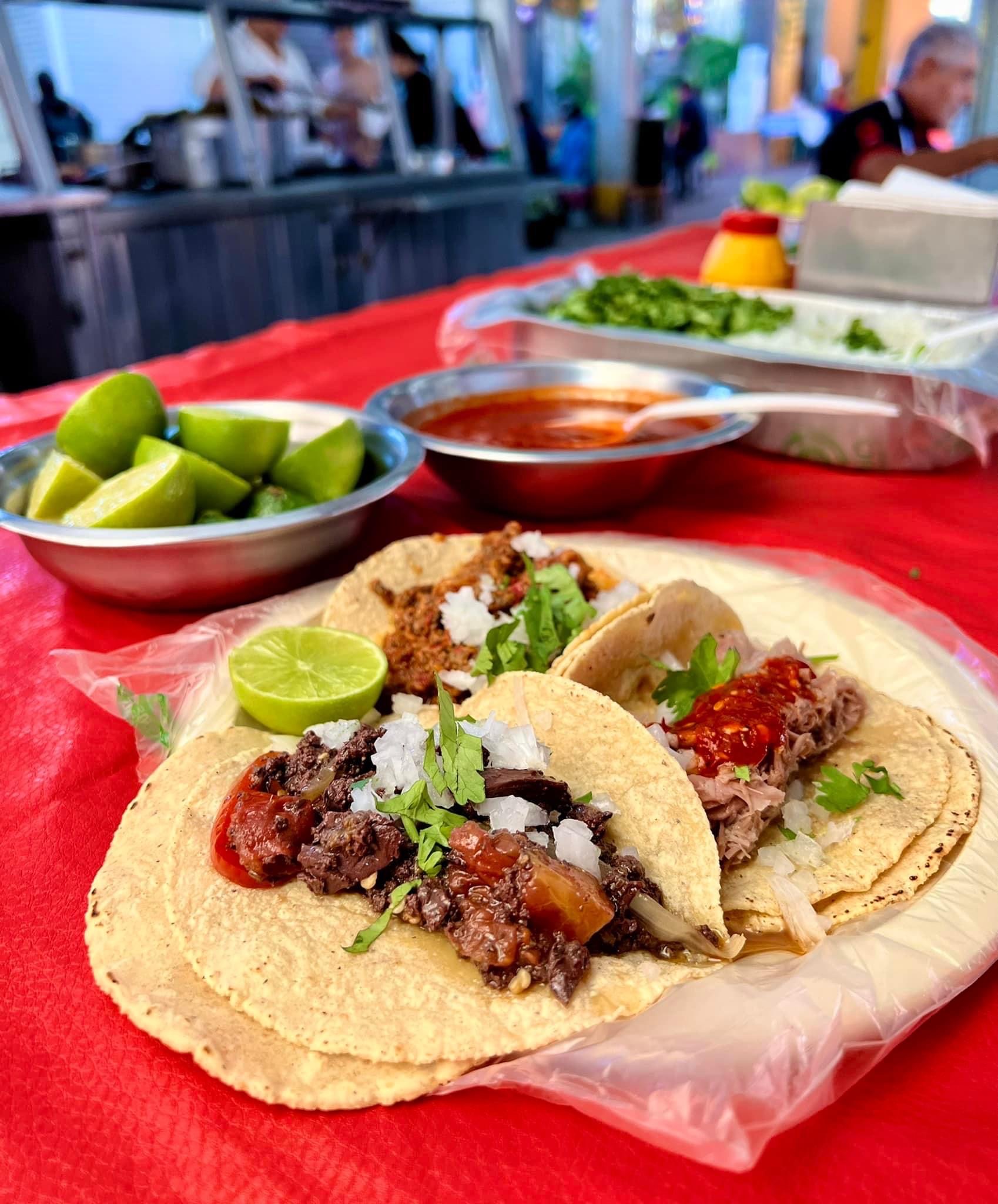
Street tacos

Like all of Mexico, there are street food carts absolutely everywhere and this is Hector’s favorite way to eat. I am a bit more prone to stomach issues, but some things even I can not resist. San Miguel has some good restaurants so I don’t need to tell you how we spent much of our time. Here’s a sampling of favorites: Cafe Rama, Correo, Sierra Nevada, Kouyin, Atrio, The Restaurant, Cumpanio, Quince, Mama Mia, Garambullo.

Feeling artsy, I enrolled in a one-week beginning pottery class, and I had a blast, despite my clear lack of ability. The 369 Clay Studio, located in the San Antonio barrio, is a fully equipped studio that offers hand building classes. Alberto is an adorable and patient teacher who managed to remain encouraging, even faced with the many sad efforts of myself and my classmates.

And on to Oaxaca!

Oaxaca

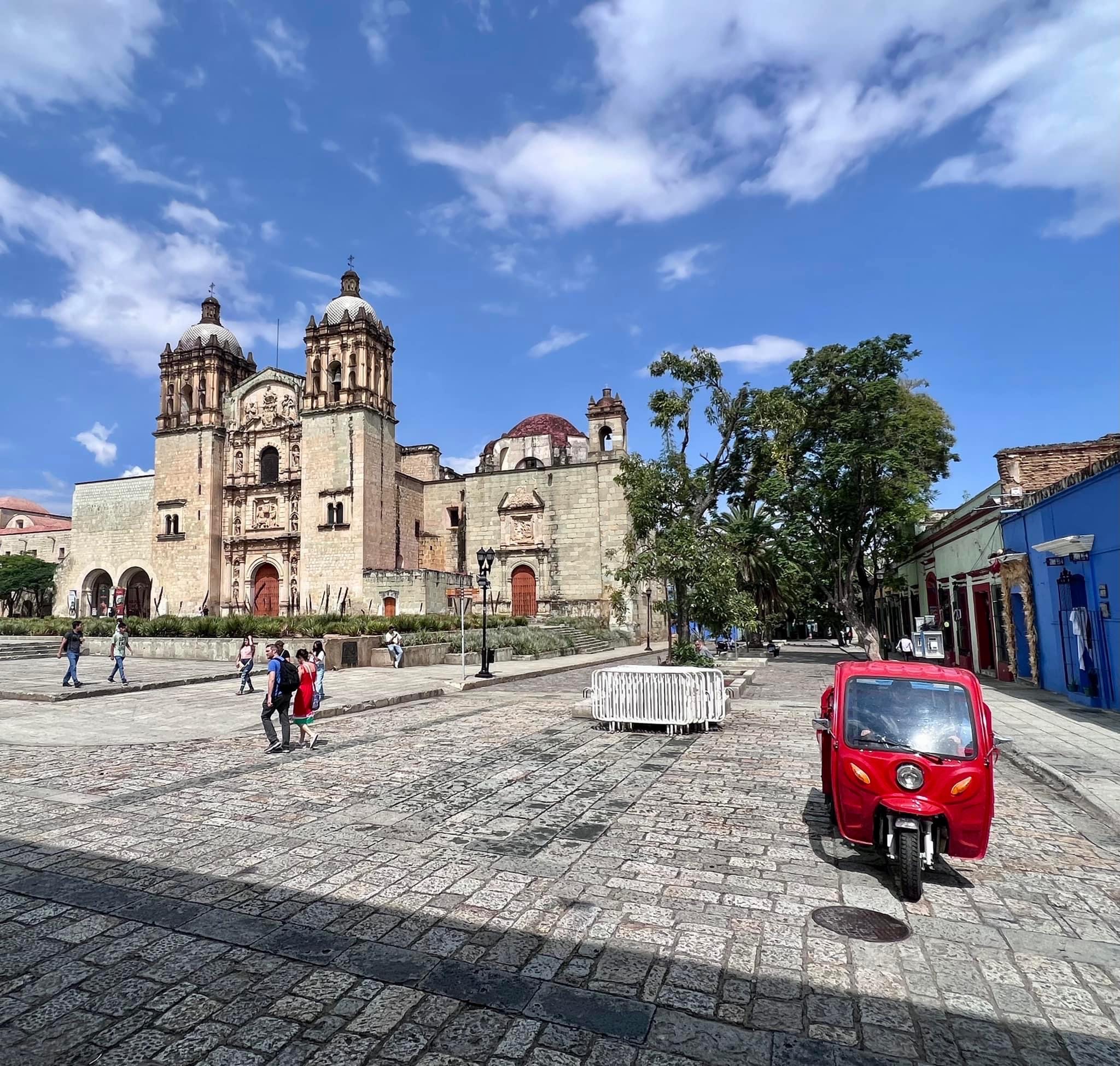
Twenty-five years ago I spent a month in Oaxaca, for my very first Spanish classes. It was a magical visit, and everything was so different from what I was used to. My school chum, Emily, and I spent many hours sitting at the lush Zocalo downtown, just spellbound by all the activity and …well… foreignness. Hardly any locals spoke English then, so even a trip to the laundromat was a potential adventure. Today, Oaxaca has of course changed. The Zocala has many more tourists, as well as all the vendors that chase them with their beads and trinkets. Now, the heart of the city has moved north a few blocks, around the famous Templo de Santo Domingo. The church here is a gorgeously restored masterpiece, and the attached monastery is now a museum, filled with religious art, as well as many many artifacts and gold from the all the archeological sites nearby. The gold jewelry is breathtaking.

Templo de Santo Domingo

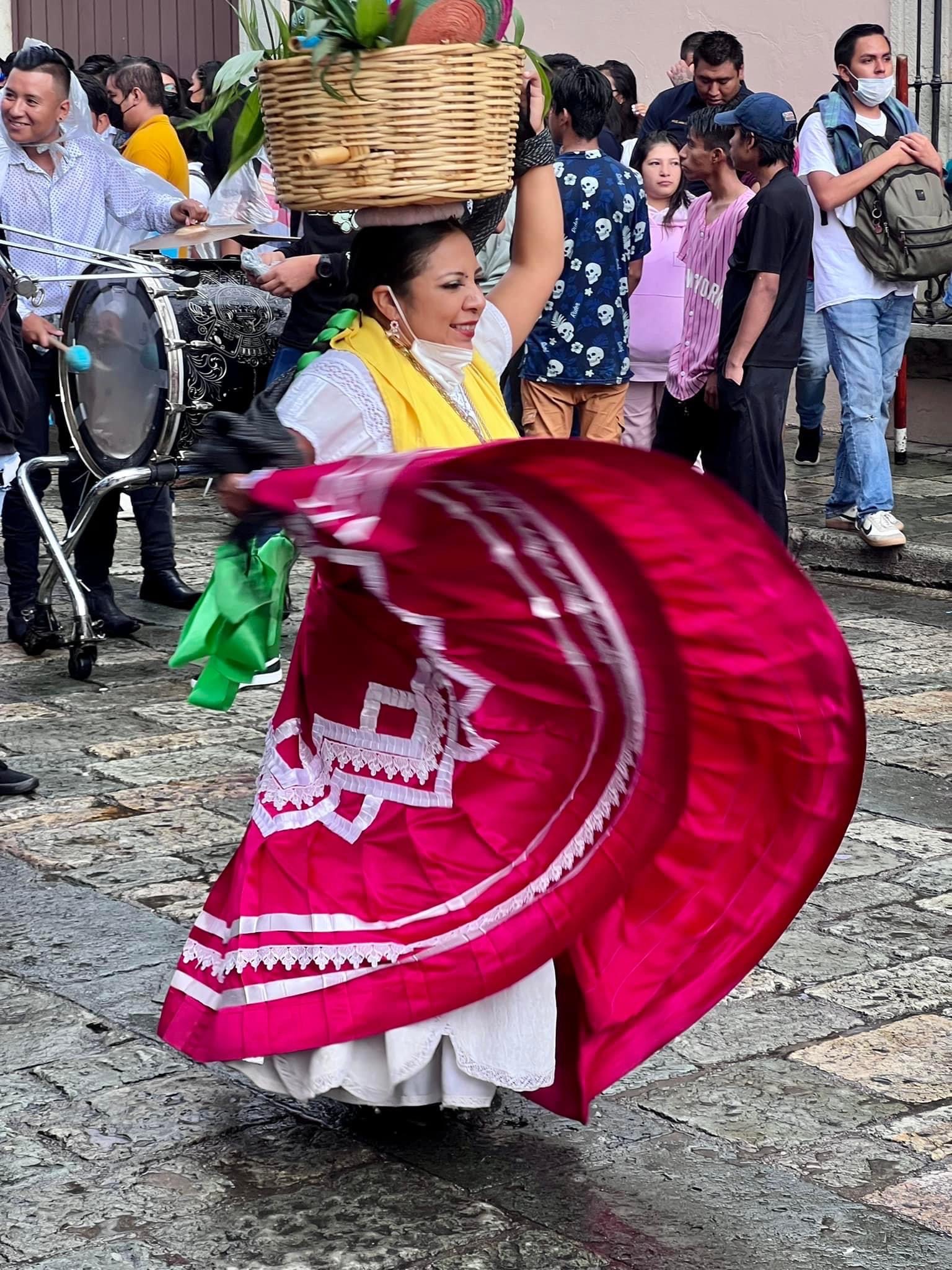
Our airbnb there, The Loft Q, was right around the corner from this complex so we were near to all the new galleries, cafes, and bars that weren’t there when I was a callow youth. In the evenings, locals and visitors alike stroll along Calle de Macedonia Alcalá, a pedestrian thoroughfare where you can hear music, watch the evening calendas, the short parades, or have drinks on a roof terrace.

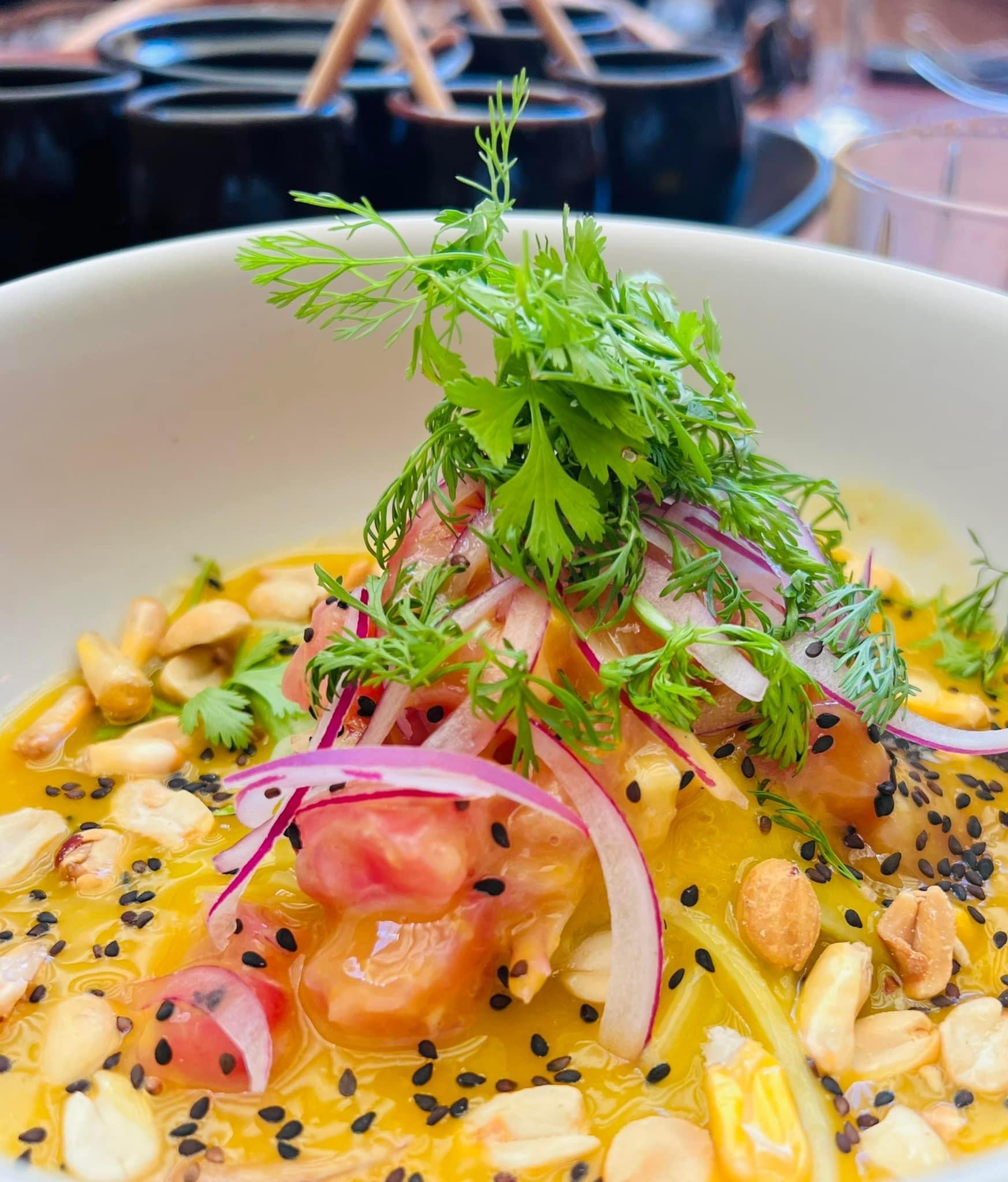
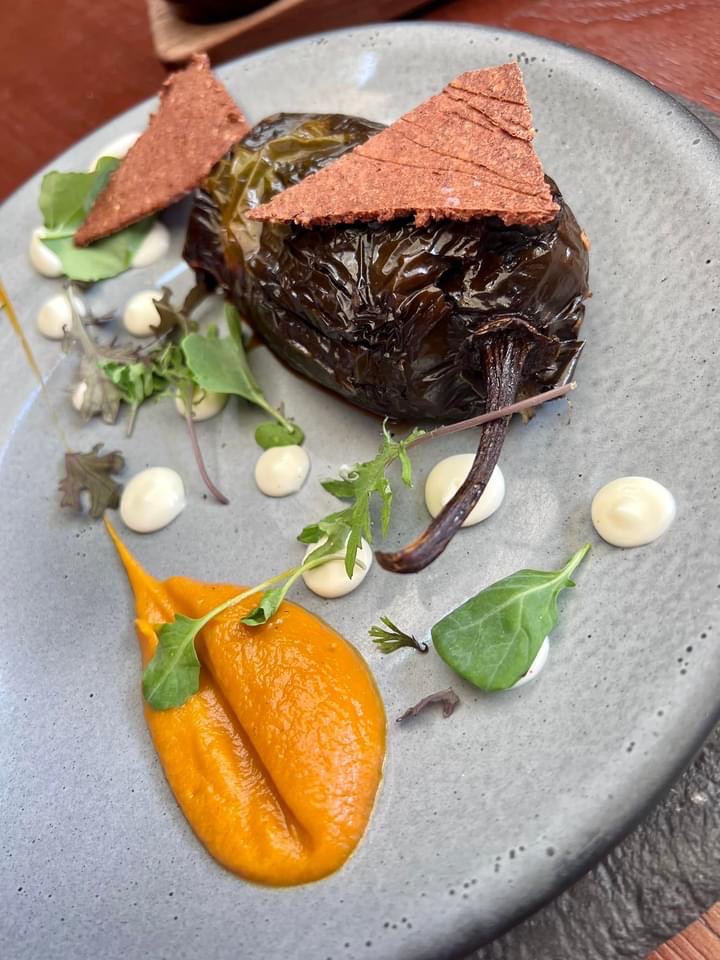
To state the obvious, Mexico has always been the best place in the world to find good Mexican Food, but in the last few years we have found a lot more fusion. And we found it in San Miguel as well as here in Oaxaca. So not only can you find your abuela’s mole enchiladas, for instance, here in Oaxaca like you always could, but restaurants like Danzantes and Las Quince Letras are offering new incarnations of the local traditions. Below left: Ceviche in maracuyá with red onion and peanuts, right: Ancho chile stuffed with huitlacoche/ pumpkin and goat cheese puree.

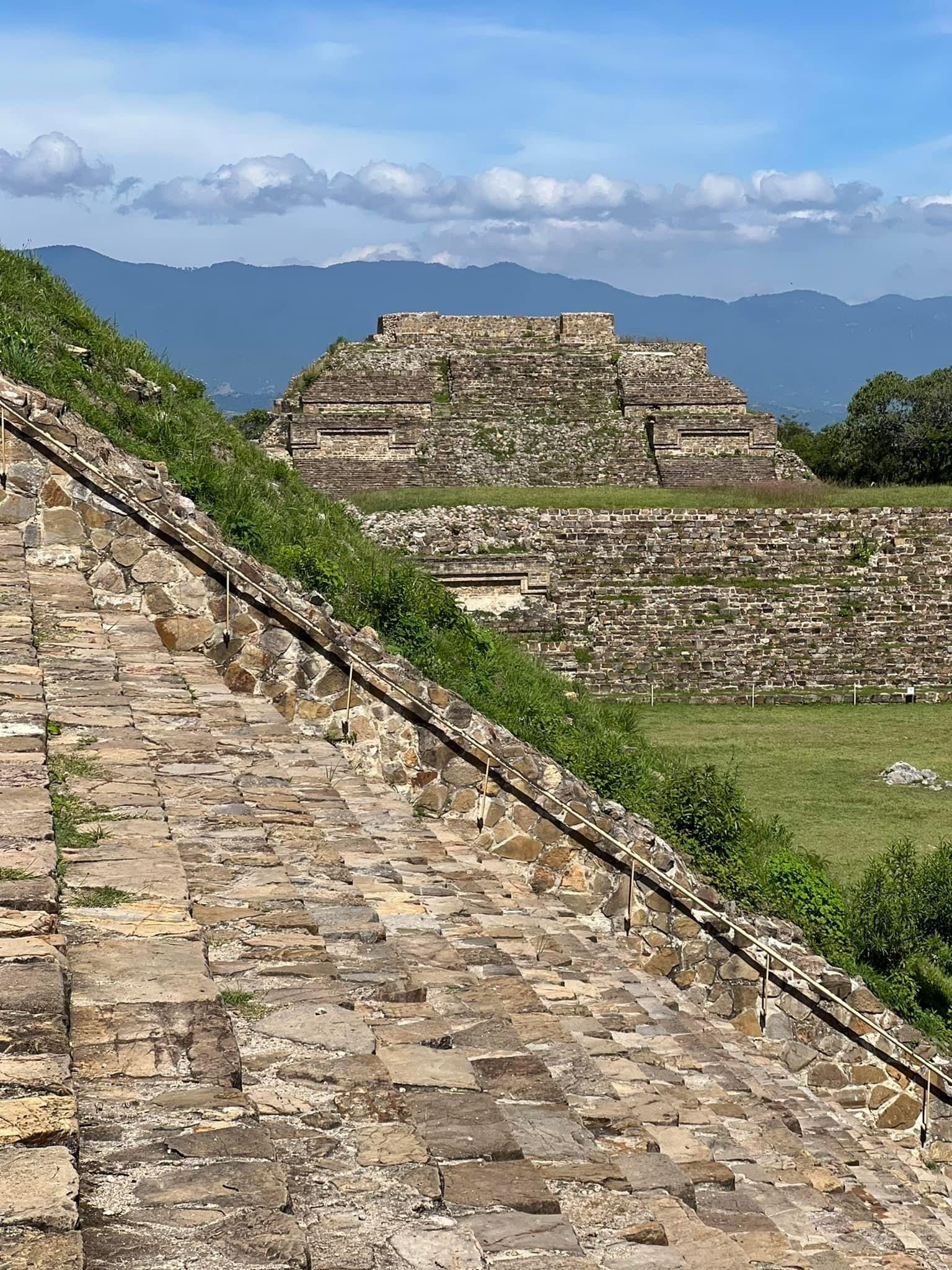
Finally, Oaxaca is absolutely filled with historic archeological sites, many of which are an easy bus ride or even taxi. Monte Alban is just up the hill above the city and it is fantastic, with its pyramids and temples. Also, Mitla is nearby, with traces of the original color still on the buildings. Nearby villages have market days on different days of the week so it is easy to visit nearby towns with their artisan specialties, like carved wood, or famous black pottery. 25 years ago we bought hand-embroidered cloth napkins and used them until just recently.

Monte Alban

Coming in Part 2: Santa Fe, Puerto Vallarta and a week in Mexico City with our travel buddies Tere and Martin!

Summertime Adventures

July 2022

After a relatively short spring, suddenly the town is full! The flocks of language students started arriving while it was still chilly, rushing in giggly clumps from one bar to another, then the Scandinavian tourists began to appear, and even the Malagueño families admitted defeat and packed away their parkas and scarves. At the beach, we are all enjoying the cool ocean breeze and the bracing Mediterranean water temperature. We usually do one beach day per week. Chiringuito Cachalote has loungers and umbrellas on the sand for rent. It’s almost like a drive-in movie: relaxing with a mojito while watching the first-timers plunge into the water then rush back out screaming. Afterwards, we walk up to the cafe for gambas, boquerones, and fresh-grilled lubina, cooked over the olive-wood fire (shrimp, anchovies, and sea bass!)

Spring was busy. Dog-sitting for Al and Marc at Cortijo el Carligto, while they went off to visit family in the US and Holland. Then at Hector’s birthday nephew Carlos Ramirez visited us from New York, with his girlfriend Cienna. Our friends, detako, (David and Elena) opened their own restaurant in La Herradura, so we drove over with the kids for a wonderful dinner one evening. Then they got the VIP Tour of Malaga and we hopped on the train to spend a couple of nights in Madrid together before they went home. It was a wonderful visit.

Dinner at detako with Carlos and Cienna

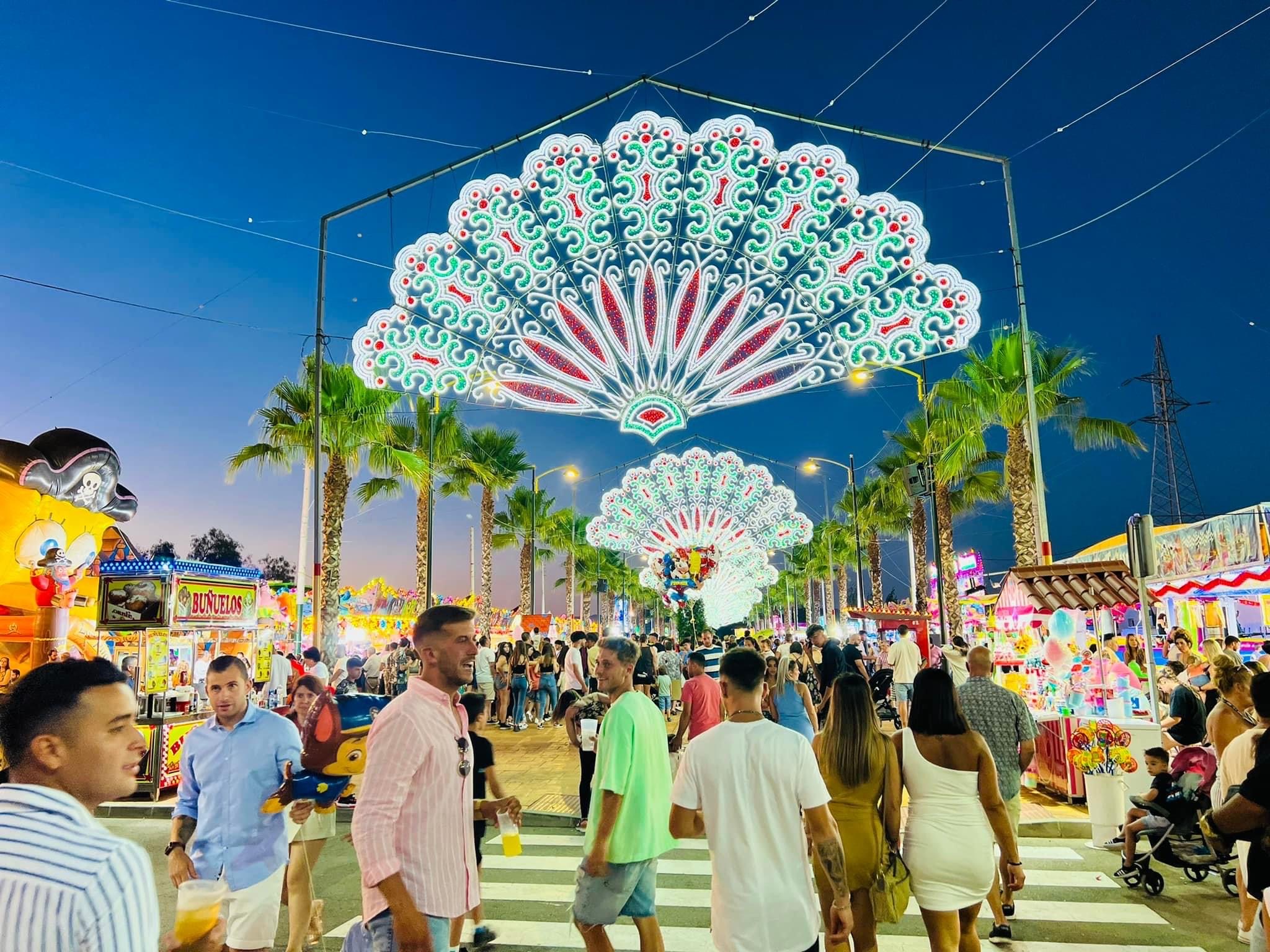
In June we went over to Alhaurín de la Torre to visit our friends Anna and Juan, to check out their summer feria and see what the locals look like. All these little towns have a yearly community fair, Malaga has a big extravaganza every August. This was the first year in a while for most. Alhaurín’s feria was colorful and very family oriented. There was a midway with rides and all the usual perils, lots of enthusiastic dance performances by the amateur local kids, but a very serious lack of the kind of fair food I grew up with. Where were the deep fried donuts? No giant turkey legs, not one corny dog to be seen. However, one improvement over fairs in the US–lots more beer gardens.

At the feria in Alhaurin de la Torre

Plenty of friends-of-friends continue to pass through Southern Spain. Some are exploring potential future homes, some just wandering after the long travel pause. It’s fun to show them our Malaga and compare stories, not to mention making some friends. Virtually without exception, the travelers we have met are grateful for the privilege of post-lockdown travel. Let’s face it, travel can be inconvenient and tiring. It’s not for everyone. But for those who choose it, travel means more now. It feels like more of a gift, and it shows on everyone’s faces.

As Spain started to experience its usual summer scalding heat, we packed up our apartment, put ten boxes into storage (how did that happen after a year in Spain?) and hit the road for a 2 month Mexican adventure. Mexico City, San Miguel de Allende, Oaxaca, Puerto Vallarta! Stay tuned for updates on the enchiladas, mole, birria, and chilaquiles in our immediate future. Somos patas de perro!

La Herradura

April 2022

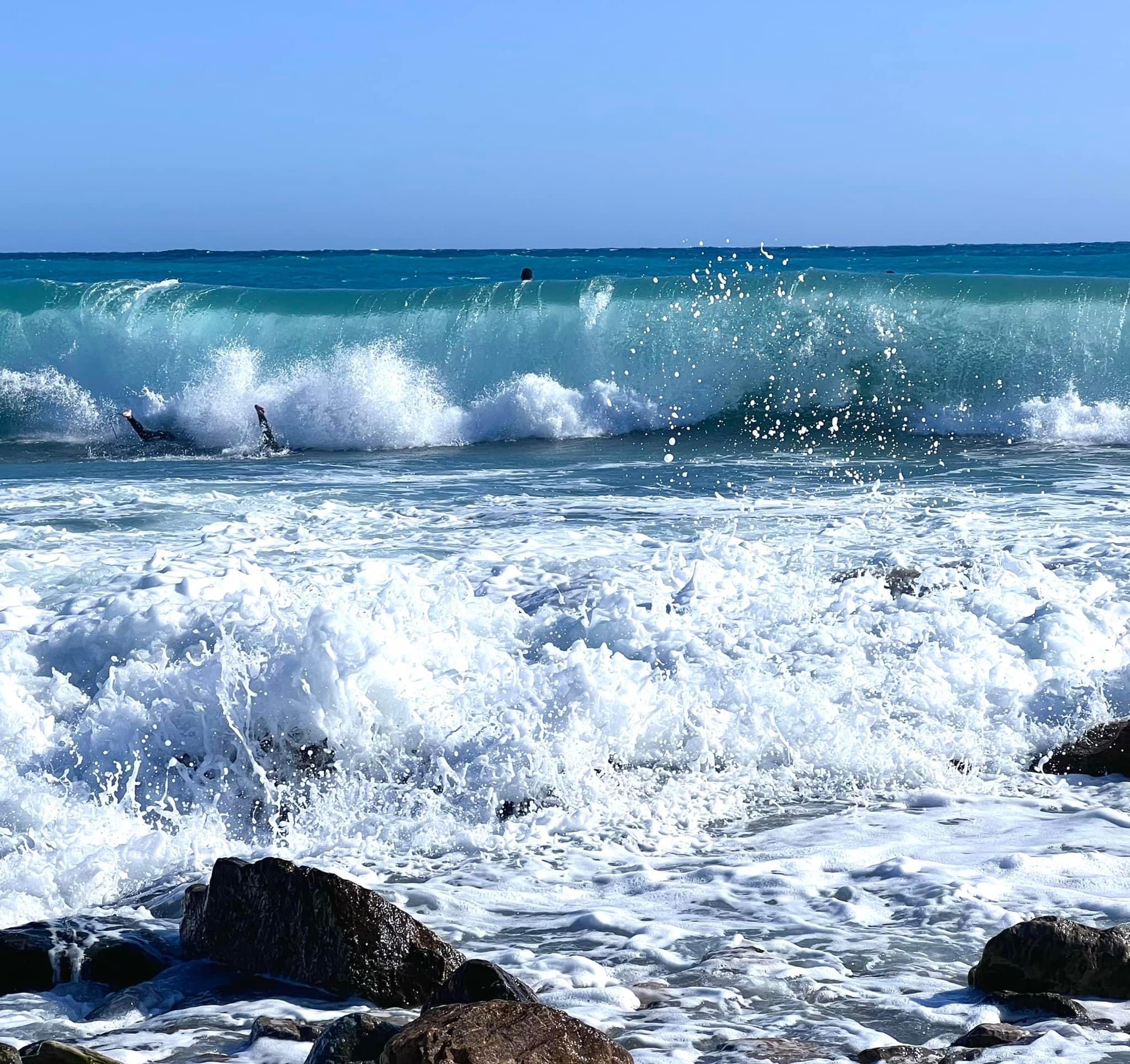
Waves at Herradura (all photos by Hector Ramirez)

Driving into La Herradura, you drop down from the mountain highway toward a small circular bay (Herradura means horseshoe,) with the town hugging the coastline. Along the hillside, scattered expensive houses look down on the bay. When we arrived the weather was windy and dark so there were dramatic waves banging the gleeful surfers around in front of our hotel.

Fairly regularly we rent a small car to make these local trips around the area. Reserving online and picking up at the train station is easy, if not really cheap, but you can see much more than if you take the train or bus. It’s about an hour and a half from Malaga. Our friends, David and Elena (chef team detako) have opened a restaurant of their own (detako gastrobar) here in Herradura so we came to enjoy some of the delicacies of the house and expand our local horizons a bit.

We checked into the Hotel Peña Parda (129€ per night), right on the coast. It’s a small, charming boutique hotel and our room had a little terrace facing the sea. It continued to rain and storm the rest of the afternoon so we cracked open a bottle of wine and enjoyed the view for a few hours before setting out to walk along the main street.

The pretty town is small and sleepy this time of year. There were the normal casual bars and eateries along Calle Segovia, some with locals hanging out, some empty or closed for the season. Also a lot of shut down vacation rentals. The noise of the strong waves is everywhere. Typical of Spain (or anywhere?) there were clumps of bored teenagers hanging out on corners or slouching around the little tourist shops. It’s possible we were the only tourists in town that day.

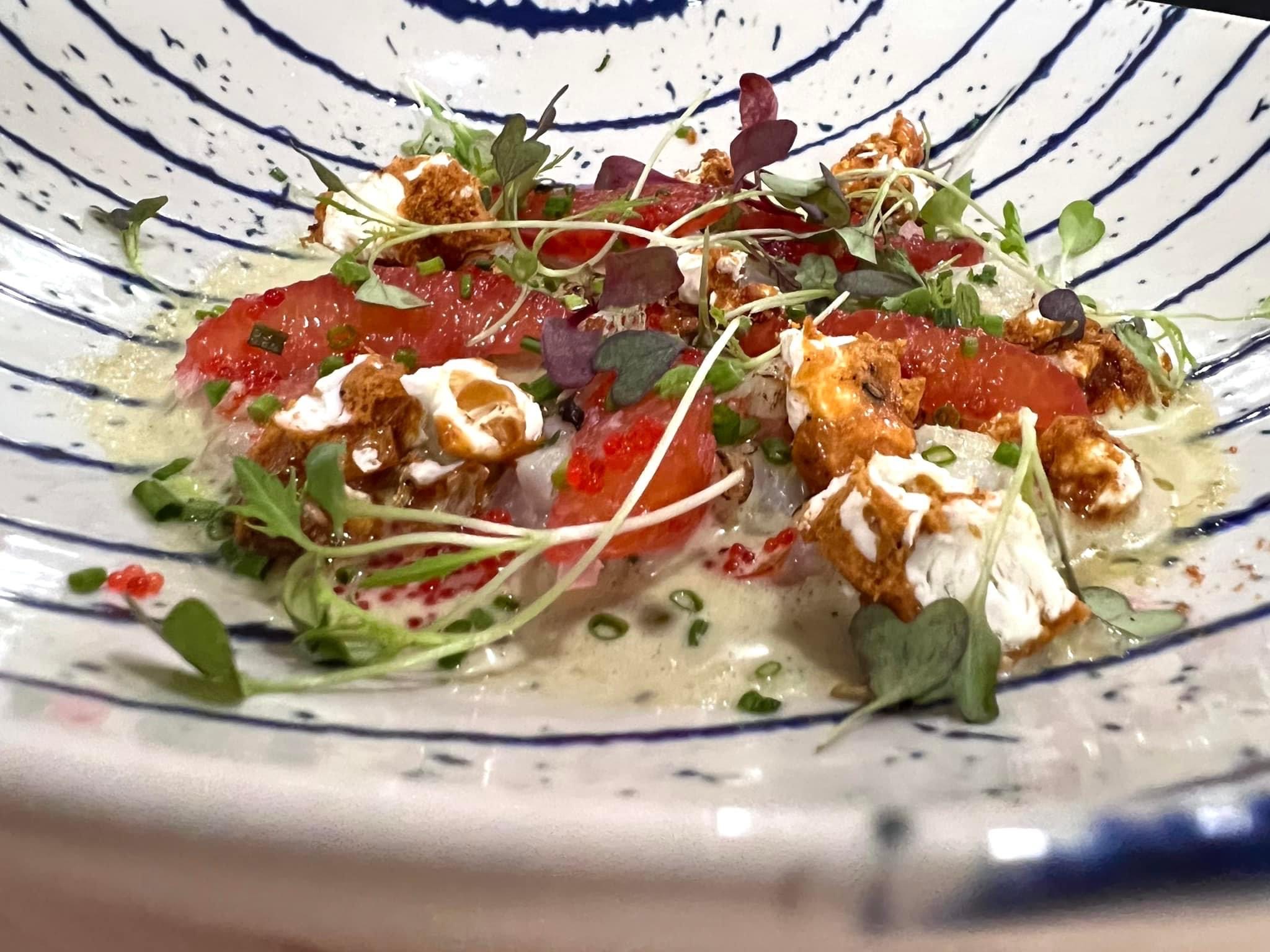
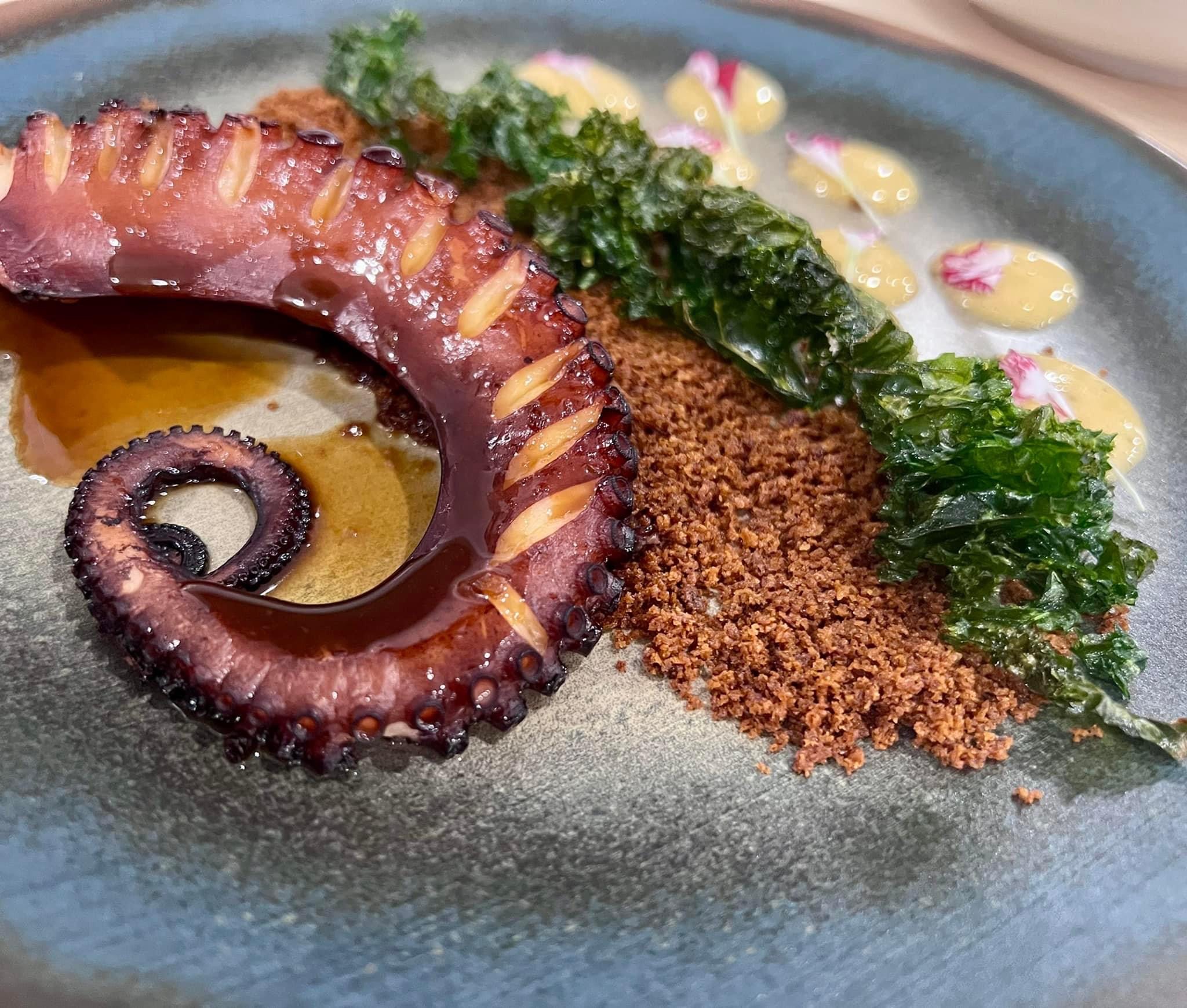
Next day, our lunch at detako was as fantastic as we knew it would be. I had the amazing Jumbo shrimp ceviche in Thai tiger’s milk with caramelized spicy popcorns (10€) and it was everything that sounds like. Hector had Pulpo Gallego (octopus from Galicia) that even I, a renowned mollusk-phobe, loved. The space is very light and inviting and we could see they are already developing a loyal following.

The shrimp ceviche

Pulpo from Galicia

Next day, we drove over to Nerja to see the famous Cuevas de Nerja, a must-see for visitors and it’s shameful we hadn’t been there before. It is one of those deep, deep expansive caves that form along steep coastlines all over the world. This one was formed 5 million years ago and there is evidence of previous human habitation as far back as 25,000 years ago. The rock paintings are not on display as they are rightly being preserved and we don’t need you carving your initials on them.

We were first in line on Saturday morning, many many stairs down to the bottom, really very many. You pass through a series of several large caverns, the first one large enough to host occasional opera singers and you know how they love acoustics. Narrow catwalks take you up and around the perimeter of the larger caverns, with some of the more spectacular stalactite formations lit from below. I won’t bore you with my breathing techniques at these kinds of heights, but suffice to say that after an hour I had had enough, and returned to the land of sunshine and parking lots. It’s hard to capture good photos in a place this dark, with flash prohibited, but I think Hector did a good job, and the place really was spectacular. Honestly, I would return anytime.

Nerja Caves, looking down

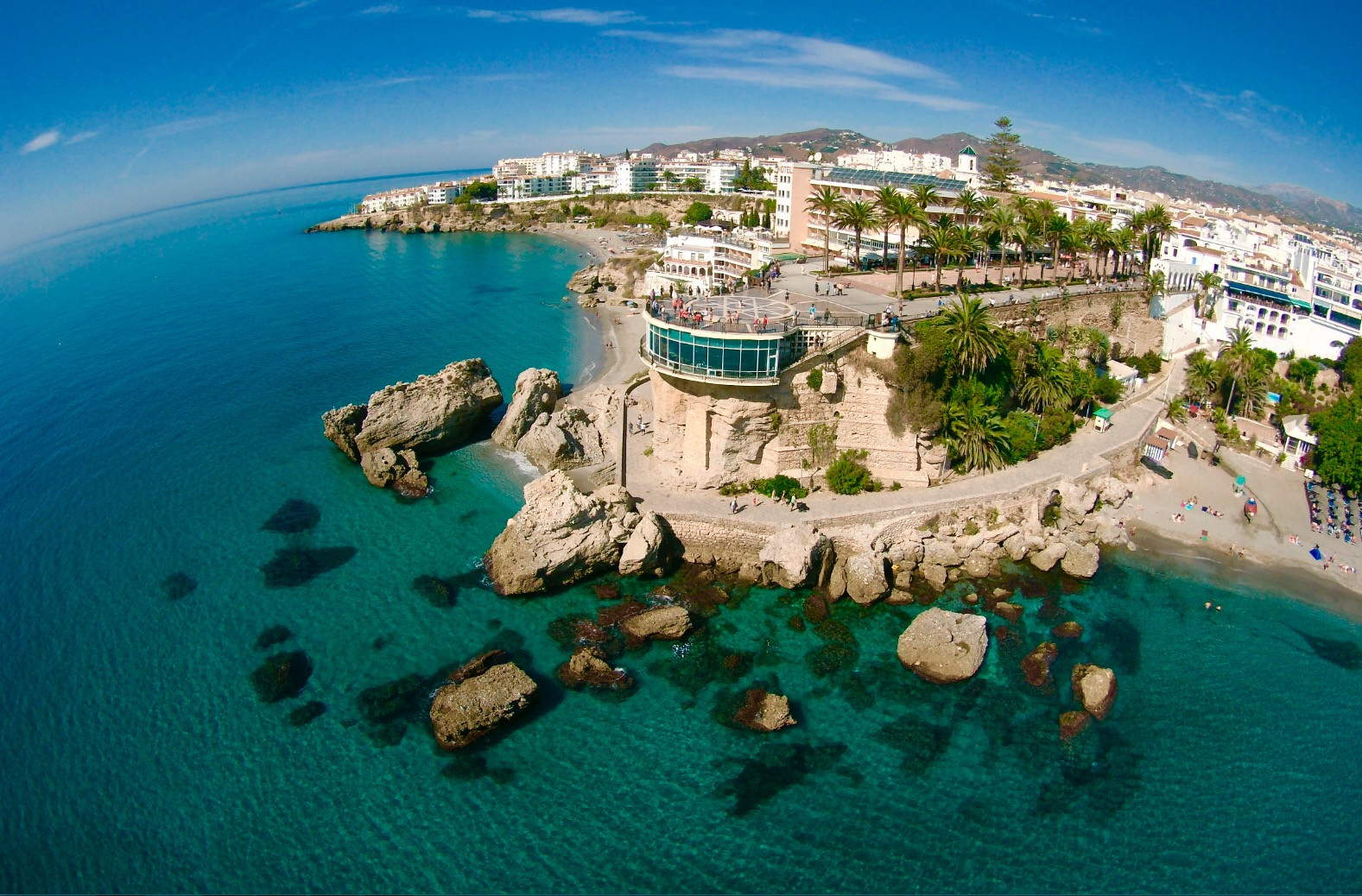
We then drove into Nerja, a small city on the coast, very popular with Scandinavian tourists, as well as the more ordinary ones. We strolled along the Balcon de Europa, had a glass of wine in the sunshine with the locals, then made it back to Herradura in time for a late lunch.

The Balcon de Europa, Nerja (not H Ramirez)

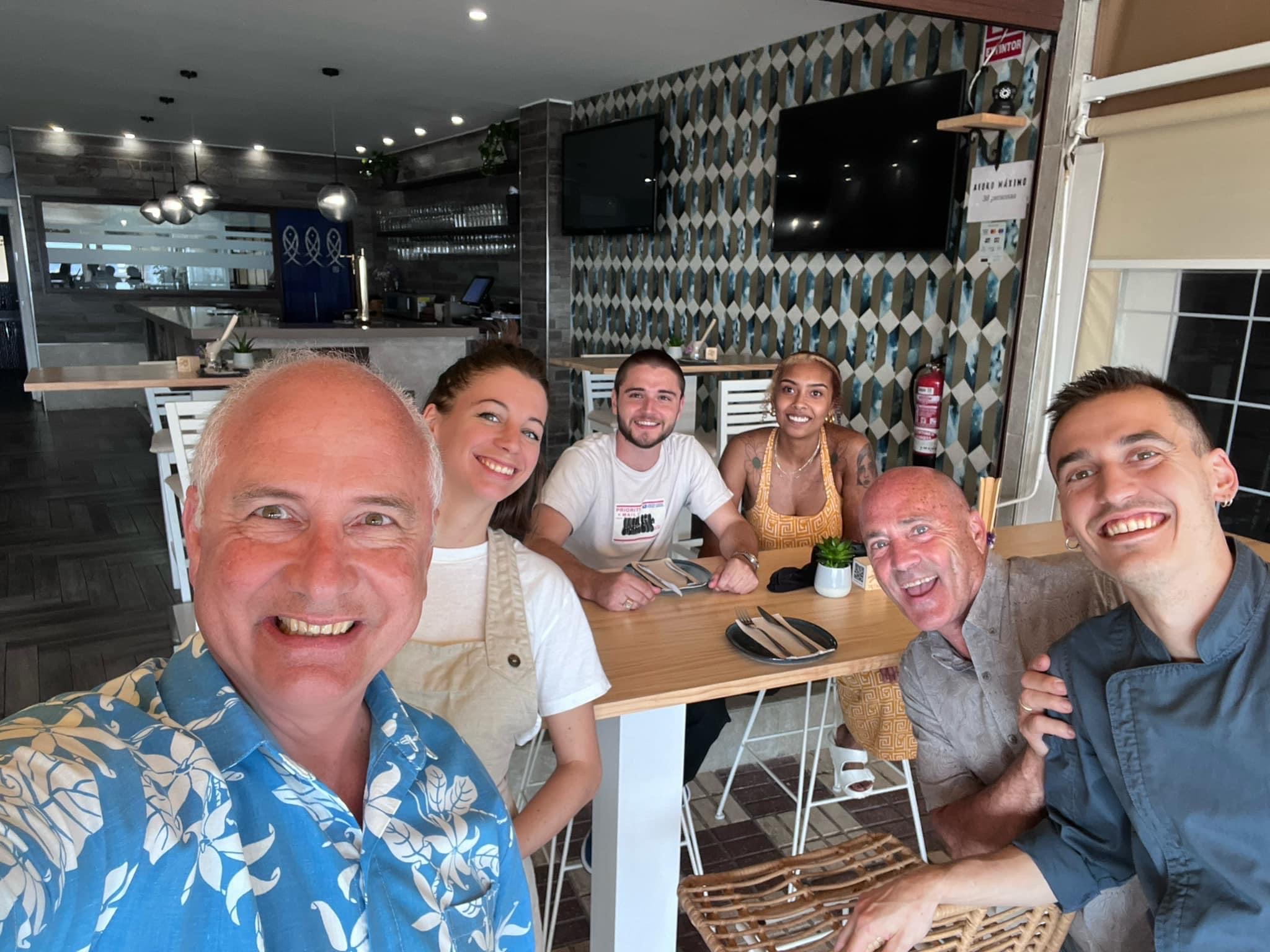
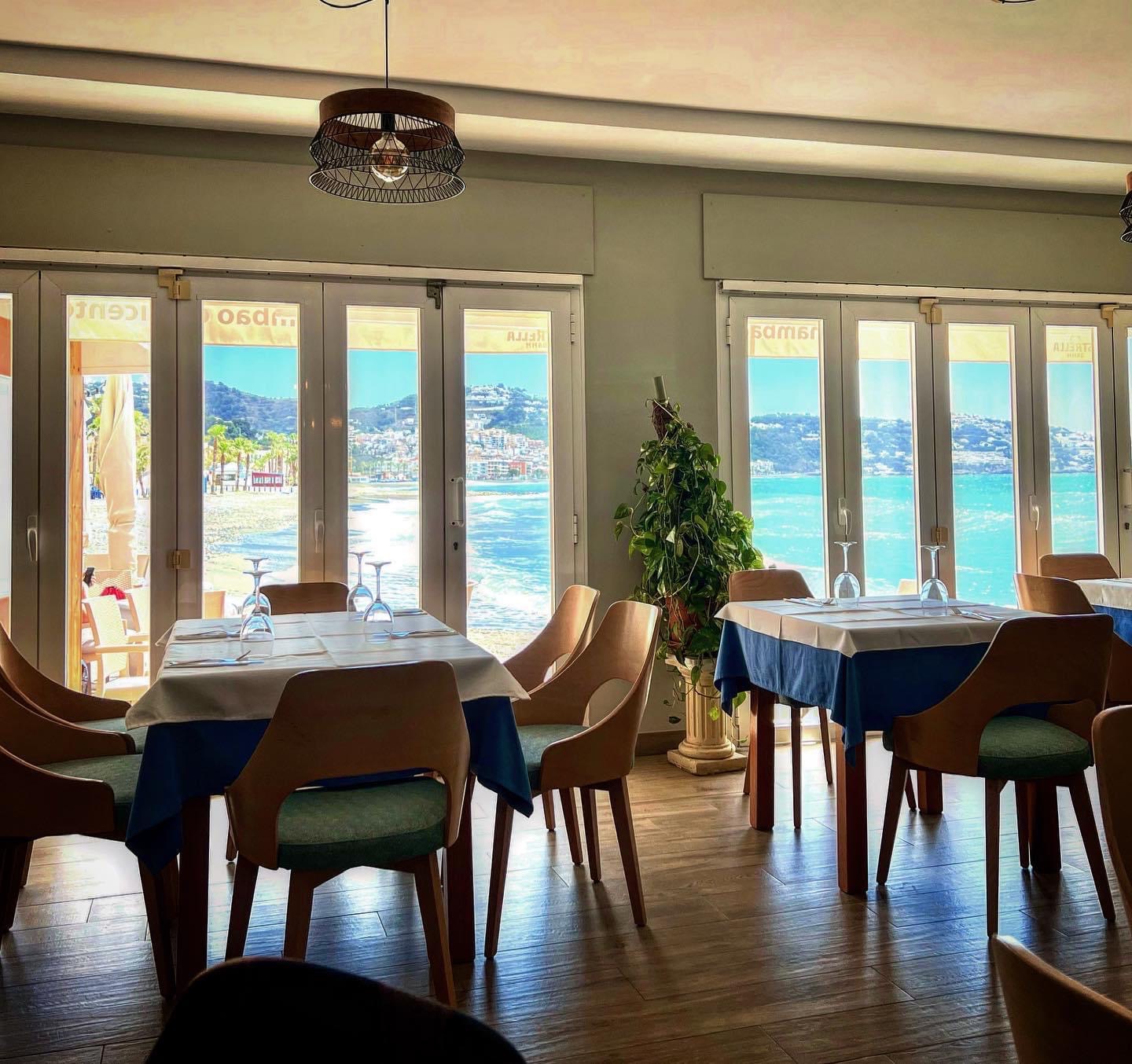
Chambao de Vicente is a beautiful chiringuito/ seafood restaurant in Herradura, and it was recommended by one of Hector’s friends in Mexico. We met the owner, Antonio, and his partner Jose Luis, while we ate lunch, overlooking the waves. It was right down from our hotel so we could stumble back to our room after 3 hours of seafood and wine.

I don’t know the actual translation of chiringuito, but it is the term used for beach cafes and bars, and the name, according to my Spanish teacher Juan Luis, implies something like a beach shack. But these days most of them are upscale and very nice, and can be quite expensive, but there is something irresistible about fresh seafood cooked over an open fire and served at the beach. In high season, finding a lunch table at one of Malaga’s chiringuitos is impossible without a reservation.

Chambao de Vicente

Monday morning, back to Malaga, dropped the car, walked home from the train station. And so, what’s for dinner?

Semana Santa

April 2022

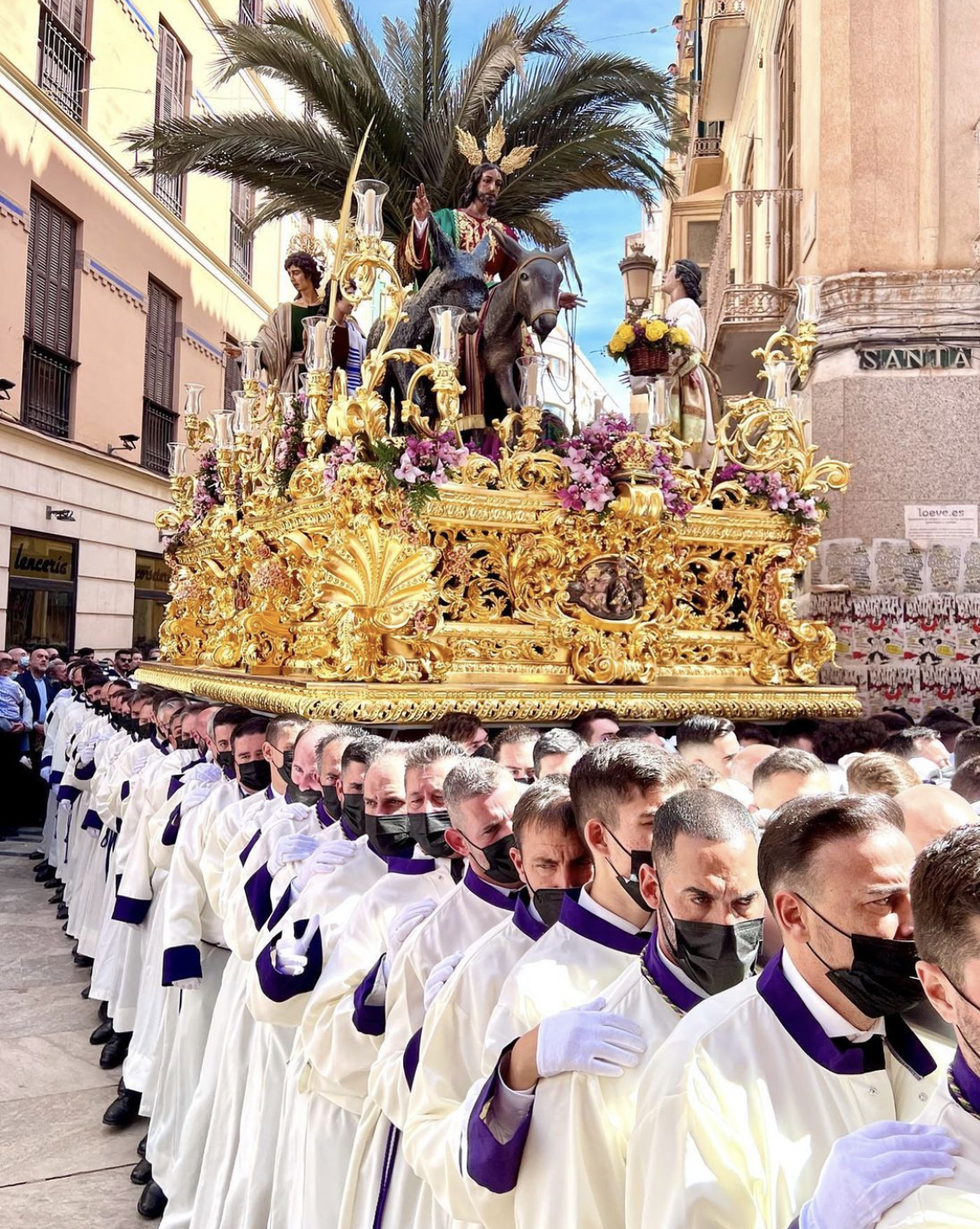
One of the Holy Week tronos (H Ramirez)

In Spain, especially here in Andalucia, cultural traditions, religious or otherwise, are revered and cherished by the locals of all ages. They form the community bonds of the Spaniards and they would never consider abandoning them unless the cause was dire. Because of covid, virtually all of Andalusia’s traditional holidays and celebrations were delayed for a full two years. So this year, for Holy Week, the anticipation has been building as the city began to repair potholes, repaint the street lights and set up thousands of bleachers along the procession routes. The circus has come to town.

It’s very hard to describe, if you haven’t seen it, the all-encompassing importance of Semana Santa for a city like Malaga. Aside from the tourist money it brings in, which is unbelievable (at this point it is impossible to find a hotel room or restaurant table), it is a chance for the cofradias (brotherhoods) to show penitence to the community and share their charitable works. The groups of men, women, and children affiliated with the countless neighborhood churches throughout the city center, display their tronos (thrones) of Jesus and Mary along a set route, past the Cathedral to be blessed and past a tribuno of dignitaries and community members. The route can take up to eight hours to complete. Aside from any religious interest, it is one hell of a show.

The bleachers and folding chairs have been in the hands of locals for generations so the best way to view the processions is either of two ways: get a schedule and arrange yourself along the chosen route about 2 hours in advance of departure, or just walk around and follow the sound of horns and drums, which is pretty much non-stop all week. You are guaranteed to run into a procession somewhere. If you are smart, like we are, you can reserve a table well in advance at your friendly local sidewalk cafe which happens to be on the procession route.

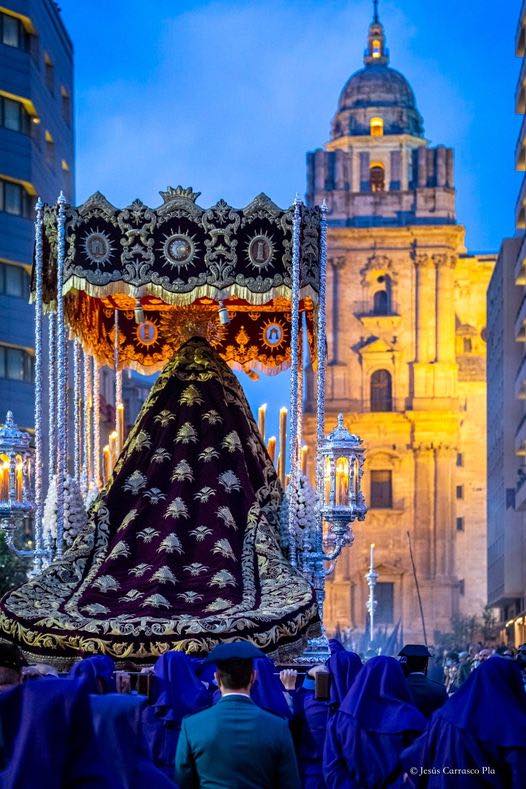
Yesterday, we stood huddled among thousands of viewers on narrow Calle Fajardo, as the Real y Muy Ilustre Hermandad de la Sagrada Cena Sacramental de Nuestro Señor Jesucristo y María Santísima de la Paz (tr: Last Supper and Virgin Mary) paraded past, accompanied by horns and drums, a large group of penitents (some with the cone hats) and small children carrying large candles. Mary was styling it in a haloed crown and 25 foot train. An hour later, from our table at Buganvilla, plenty of sacred wine in hand, we saw it all go past again.

María Santísima de la Paz


New York

March 2022

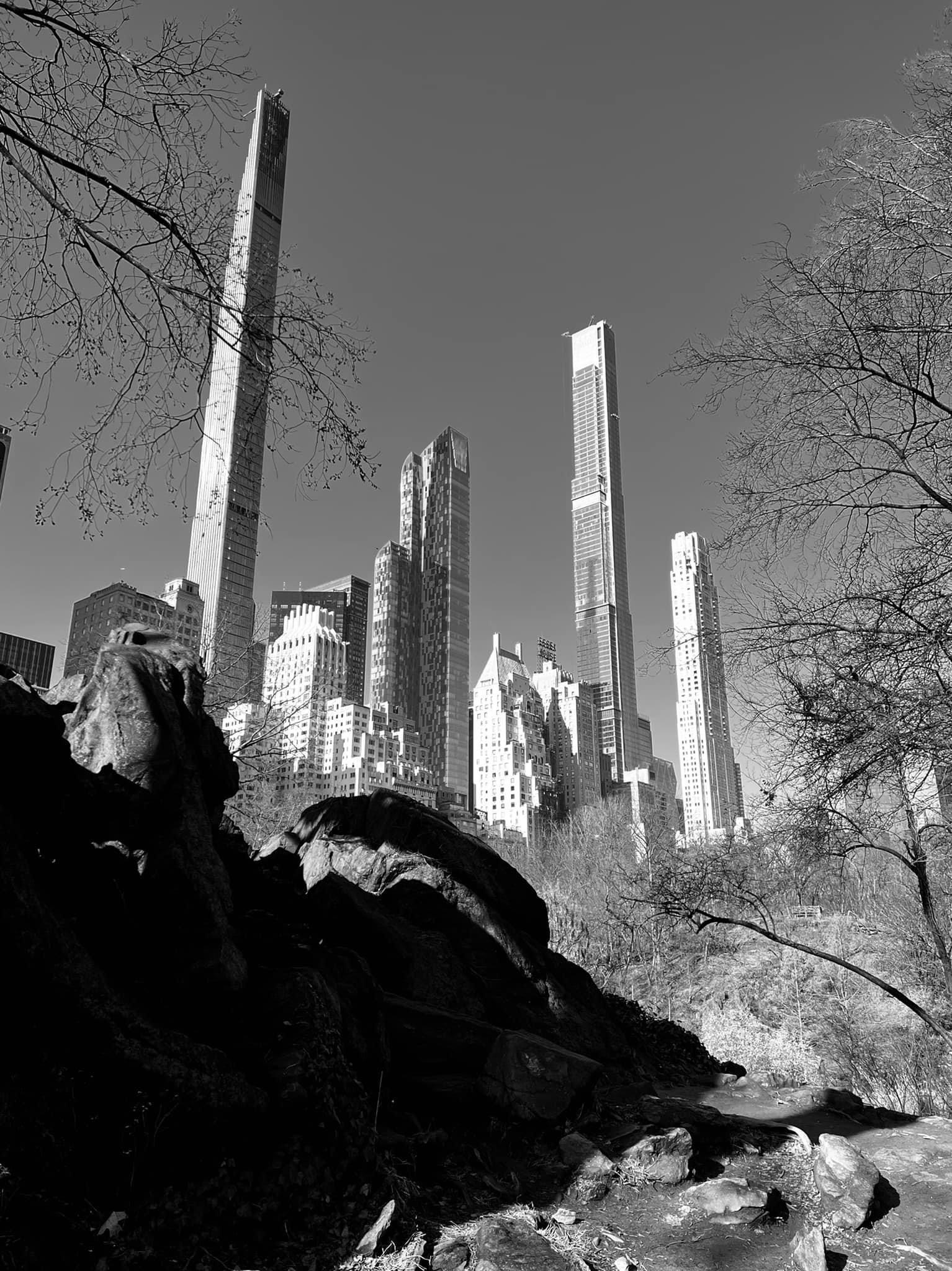
New skyscrapers along Central Park South area (photo by H. Ramirez)

Hector was invited to speak at a language conference in Pittsburgh in March, so of course we turned it into a trip to New York and I went along for the ride. We still have a nephew, Carlos, living and working in the city and, coincidentally, our best travel buds Tere and Martin were there to celebrate Martin’s birthday (50th!)

We got our day-before covid test (antigen 35€) here in Malaga, then hopped on the train to spend the night in Madrid at the Aloft hotel (free night certificate from Bonvoy Visa!) Next day we caught our flight to JFK after a few hours of preventive relaxation in the Iberia lounge.

Since we are wringing out the last few drops of Hector’s pre-retirement travel status, we got a friendly upgrade on AA from economy to premium economy and what a difference it is. We paid under $400 each for the coach round trip Madrid-NYC. In premium economy the seats are larger, more leg room, they drop back more and the food is better (relatively speaking.) Also, I got up during the flight to trudge to the restroom way in the back and I was shocked at the difference. The aisle was so narrow I had to turn sideways to avoid the sprawling teenagers, wandering luggage, and other flight detritus to get to the back. It was like dragging myself through Calcutta.

But arriving in New York was magical, like it always is. We checked into the Springhill Suites Midtown (25 W. 37th), a cheaper alternative to our former NY Hotel, since we’re retired now, but the location can’t be beat. It’s just around the corner from Bryant Park, and an easy walk to Central Park, MOMA, and Grand Central Station.

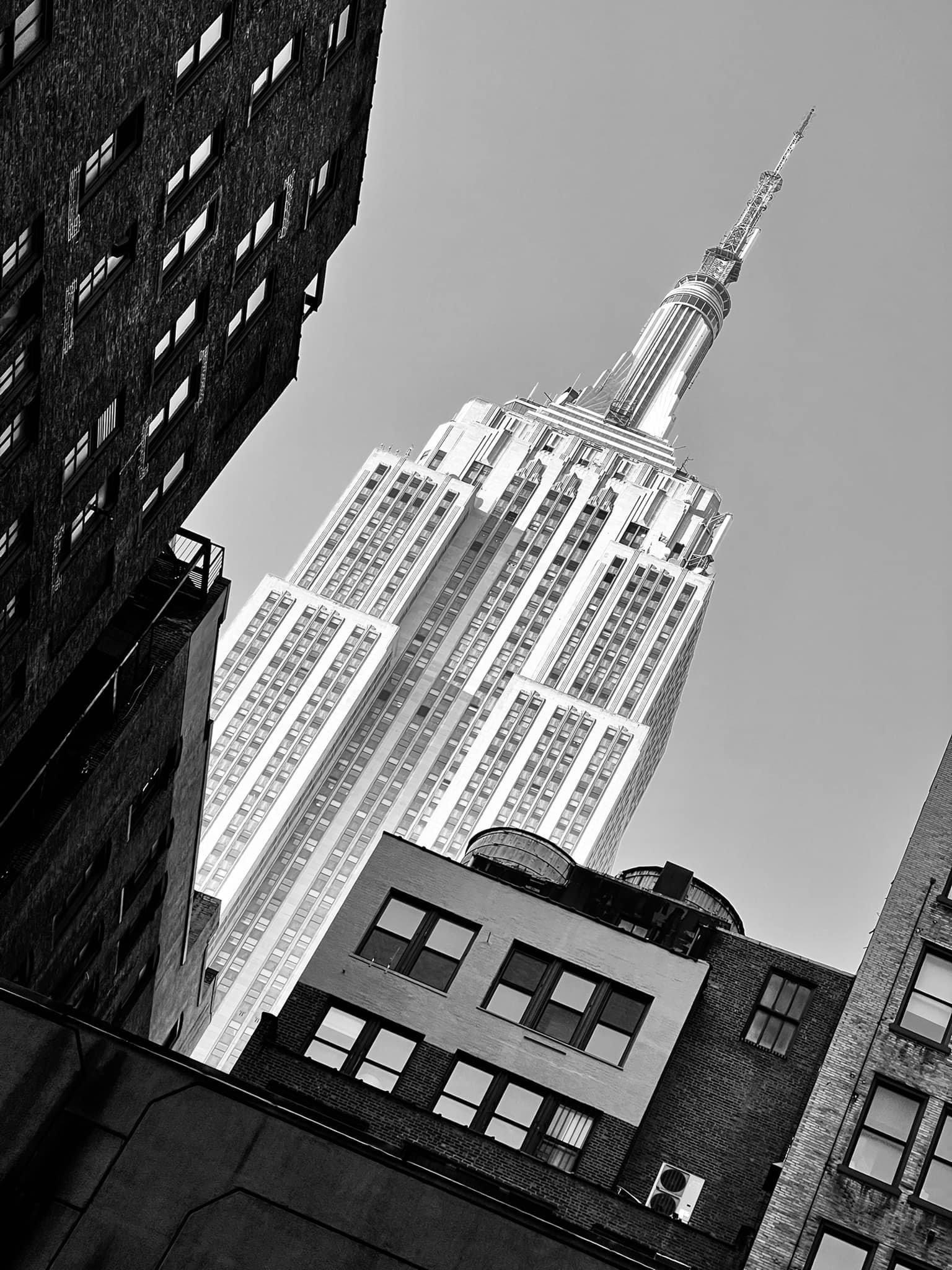
Empire State around the corner (photo H. Ramirez)

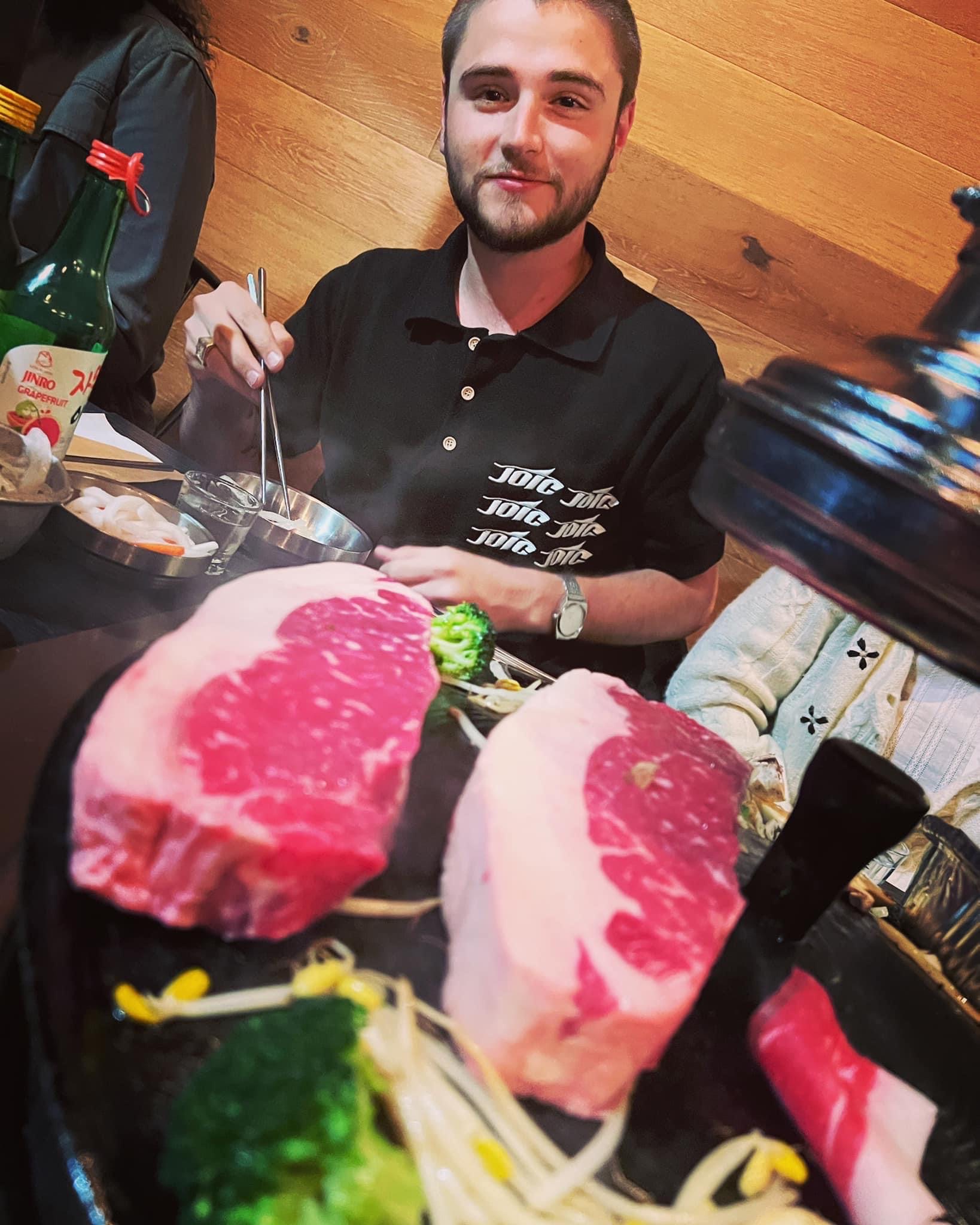
We met Carlos and girlfriend, Cienna, for dinner at Let’s Meat, Korean BBQ on Fifth Ave. It’s far too popular so we put our names on a list and then wandered for a couple of hours, until they sent an alarming text saying we had 5 minutes to get our asses back there. The food was fantastic and it’s all you can eat in 90 minutes. No wonder it’s so popular. That area is now referred to as Koreatown, I don’t know what it was called in the 1980’s when I worked briefly at 40th St/ Fifth.

On Sunday we took the A Train up to 175th Street, to see their apartment in Washington Heights. It’s a comfortable, tiny NY apartment, but with a sliver of a view of the George Washington Bridge and the neighborhood is very busy and West Side Story-ish. Lots of Dominicans. We had brunch at Terravita, then they walked us around for all the local color.

Carlos at Let’s Meat (photo by H. Ramirez)

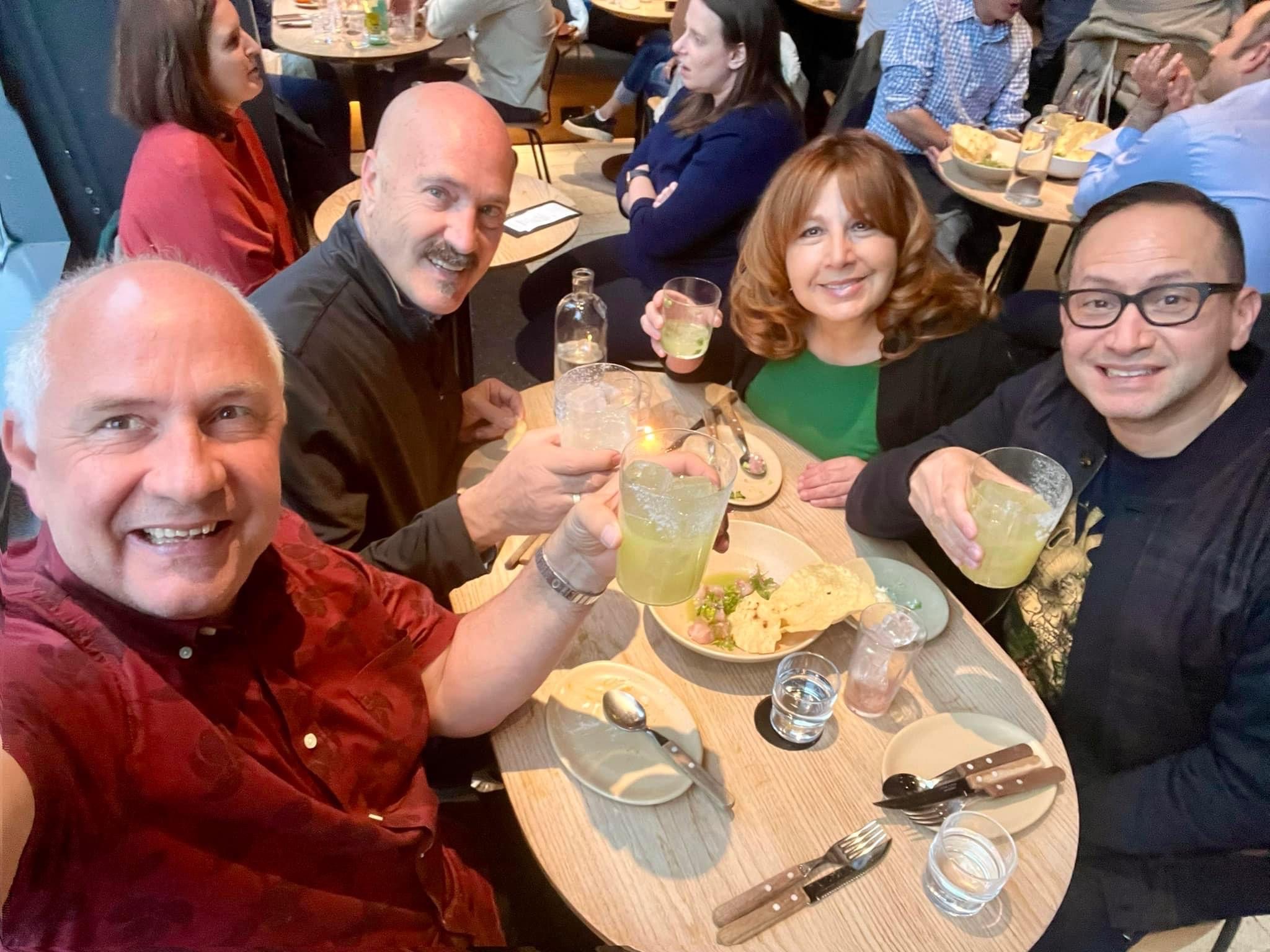
Tere and Martin arrived toward the end of our stay, and we strolled with them around Chelsea Market and the Hi Line. Saw Little Island at Pier 55, new buildings the Shed and The Vessel. Later we all went to have dinner at ATLA, a fantastic Mexican restaurant in Noho, 372 Lafayette St. It’s a creation of Enrique Olvera, the head chef at Pujol in Mexico City, and this is not the Mexican Food you had at your last office party. I had the Chicken Soup, Birria Tortillas and several killer margaritas. Here’s what New York Magazine says: “There may be no such thing as a perfect restaurant, but in the number of modern-day culinary needs it fulfills — and fulfills extraordinarily well — Enrique Olvera’s and Daniela Soto-Innes’s Noho canteen comes close.” So there you are. Argue with that.

The gang at ATLA

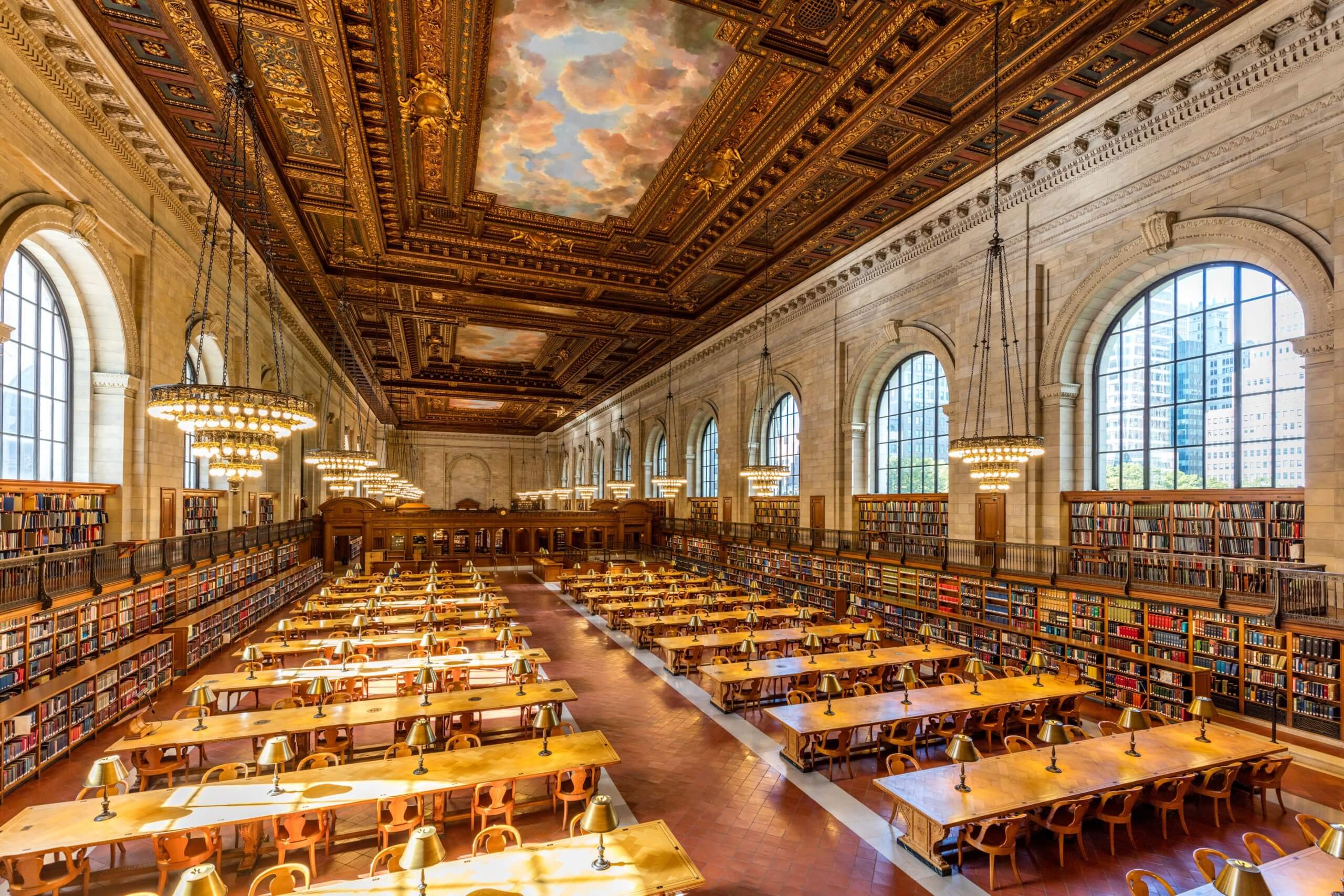
Hector and I visited the Reading Room at the NY Public Library, a space made famous in many movies, and it’s just as cinematic as I had hoped. It’s such an emblem of old New York, with students and researchers spread out among the long, wooden tables and librarians still shushing people. I had hoped to return for a second visit but time, as it always does, ran out.

The Reading Room at NY Public Library

We had a good mix of crazy weather while there. Fog, sunshine, then rain and cold. There were quite a few tourists, planted on the corner with their iPhones in the air, demanding directions from Siri as the New Yorkers elbowed past. Central Park was glorious on the day we walked through it, then we walked up to the Metropolitan Museum just to eat a hot dog out front. It was just what you want a trip to New York to be.

Easy flight back home, no upgrades but we snagged the bulkhead and slept a lot. Arrived in Madrid, caught the high speed train to Malaga, where preparations are already underway for Semana Santa, the first Holy Week celebration in 2 years and it promises to be a blowout so get your Easter bonnets ready!