August 2021
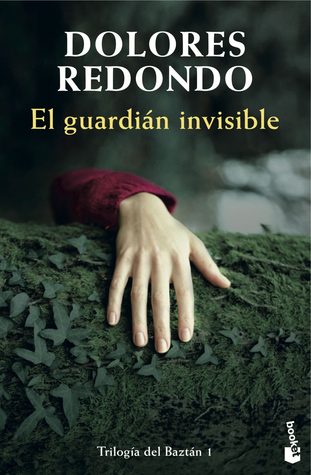
Dolores Redondo’s popular horror novels, the Baztan Trilogy, are also films (in Spanish with English subtitles) on Netflix, and they contain all the perfect elements of Spanish Gothic: supernatural undertones, perpetual bad weather, a smothering sense of dread, and plenty of bodies. The Invisible Guardian, Legacy of Bones, and Offering to the Storm were filmed in and around the town of Elizondo, in the Navarre region of Northeastern Spain, where they take place. Since we were in the area, we thought we’d pop in for a hello and check out the gorgeous countryside.
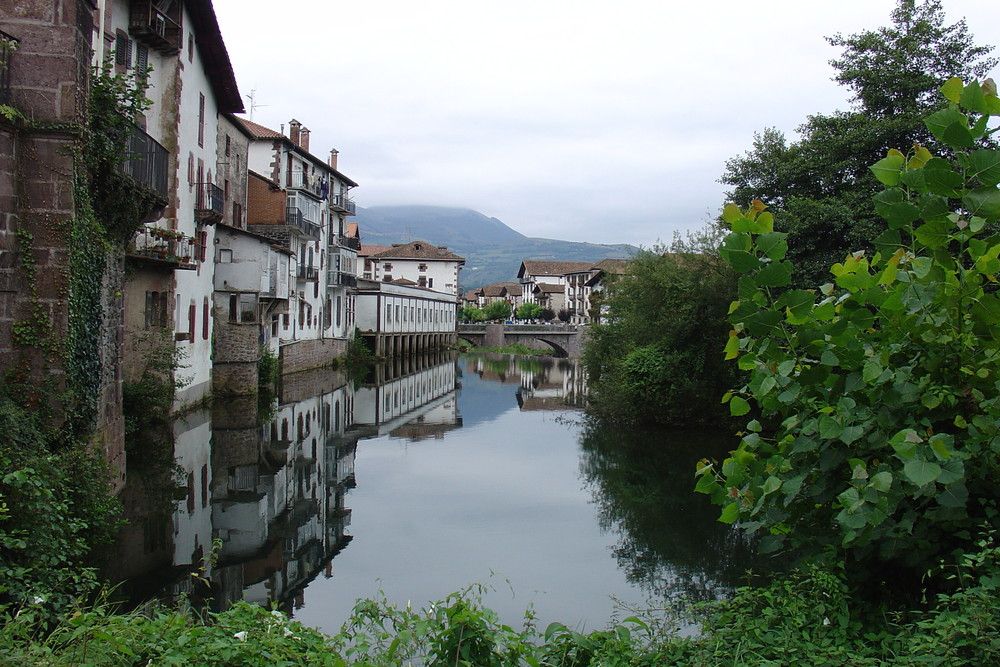
And it is beautiful. Steep hillsides and thick forests with the sounds of water everywhere. Popular with hikers and outdoorsy types, we were the only ones in town not wearing boots and backpacks. This part of Spain is fairly unpopulated. It is near the French border and really not that easy to get to. Although a bit let down that we saw no bloody corpses, we did drive into the village of Elizondo along the narrow road and parked near the Rio Baztan, the very same river which flooded during the storm and swept away Tia Engrasi in The Invisible Guardian!!
The place is so tiny there is a road in and a road out. We made it back to the winding Highway 121-B, headed west toward Vitoria- Gasteiz. Although I had never heard of it, it is actually the capital of Basque Country, with a pretty dramatic history of Visigoths and Viscones. There was even a 19th Century battle of the Napoleanic Wars (Spain 1 – France 0). It has a pretty, well-preserved medieval center with plazas and cathedrals, and the region’s website is very boostery, but we actually didn’t see that many people around town. We are finding that in some of these small cities, whatever tourism exists is very local right now, which is a godsend for communities already struggling. At least it’s something.
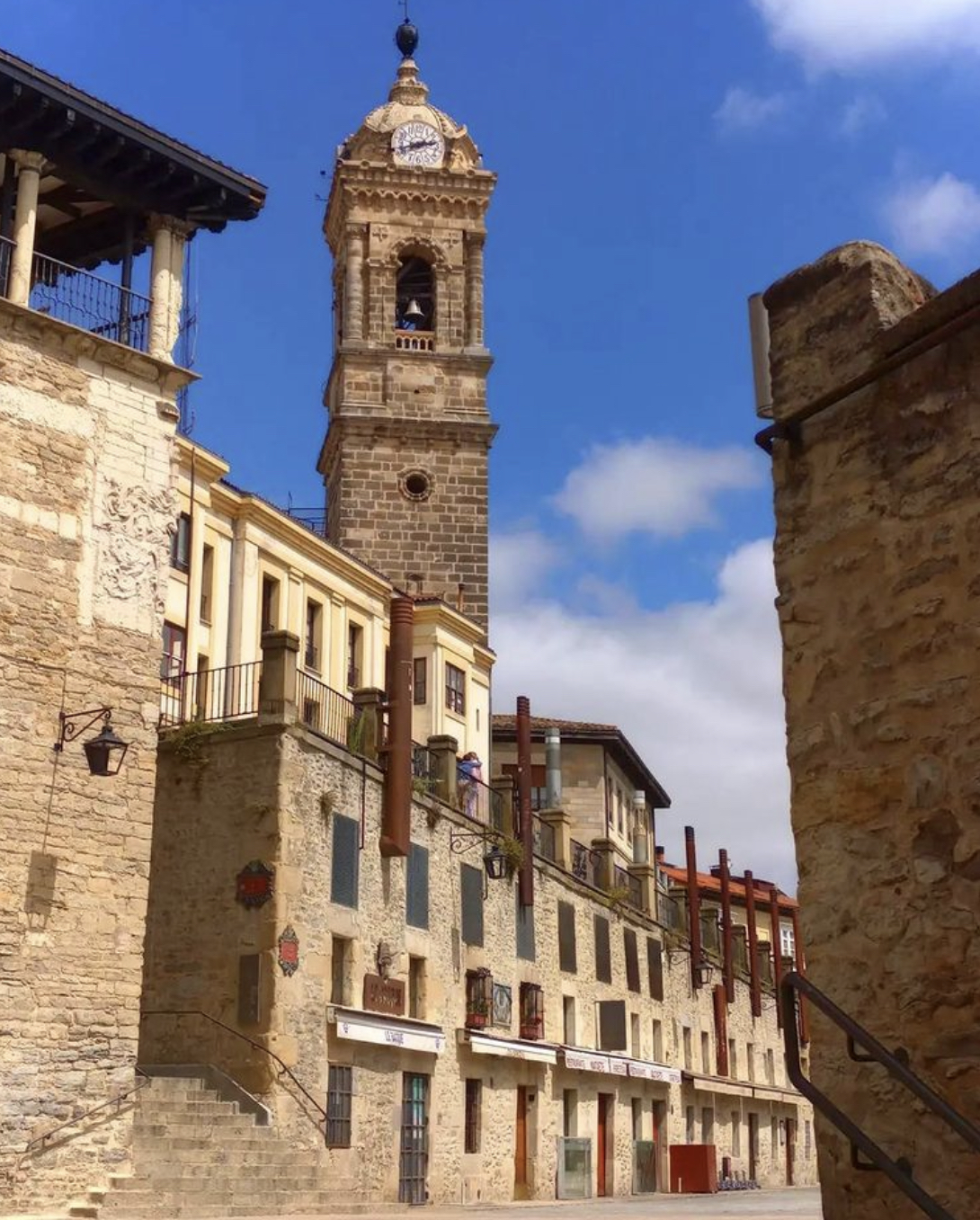
Many of the shops and restaurants were shut down, but we explored the Green Ring, a series of trails and parks around the city that extend for miles, hence Vitoria’s title as one of the EU’s first “Green Cities.” Back in the old town for lunch, for the first time all summer I wore a light jacket, happily imagining the skull-cracking heat back home in Andalusia.

Southward Ho! To Soria, a charming little town in the heart of Rioja country, so there were pretty Napa-style wineries scattered around. Again, lots of Spanish tourists in town for lunch and a wander through the old town. Alfonso I the Battler settled here in the 12th century, after he retired from battling, but there is evidence of Iron Age and Celtic settlements as well, like much of this part of Spain. No museums were open, that we could see, but we walked down along the Douro River to see the Roman arch bridge. Return quotient: doubtful.
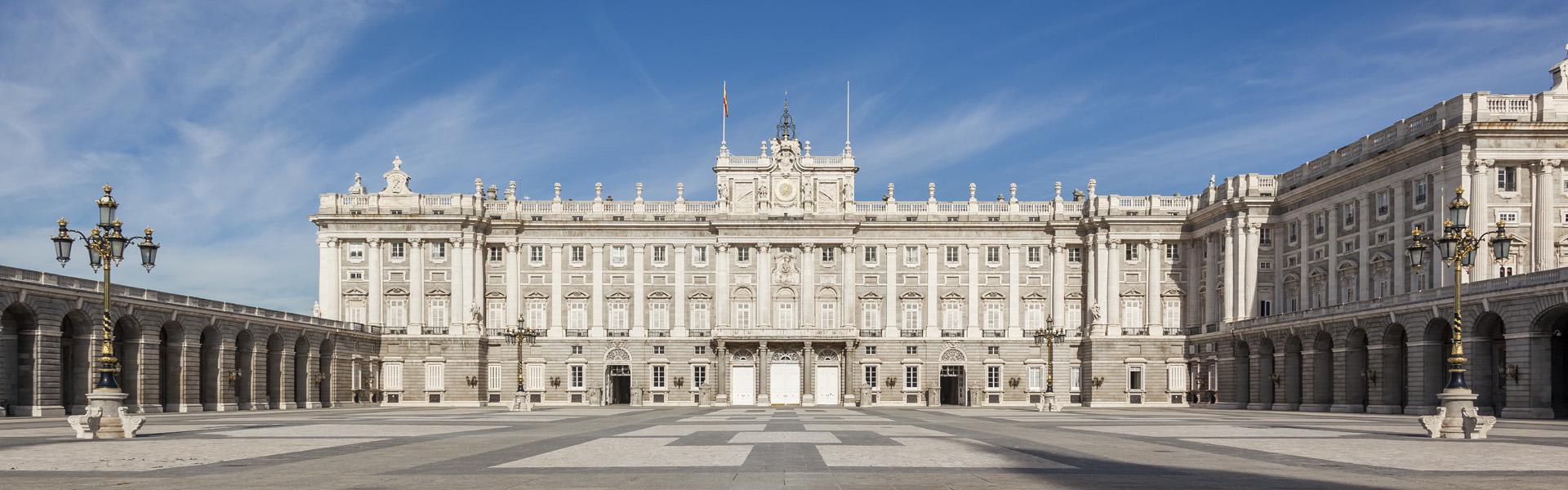
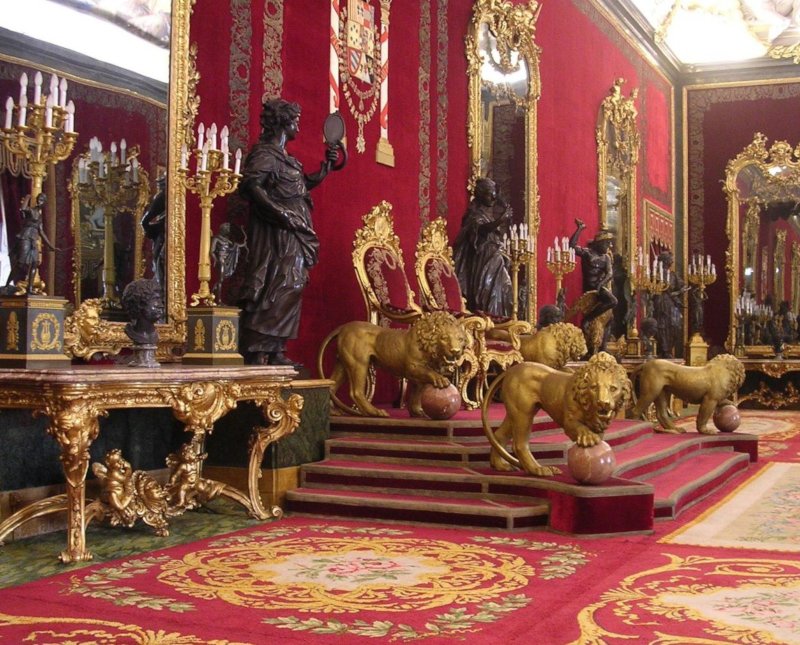
Next day, back to Madrid to drop off the car and spend two nights at the Hotel Indigo (an Intercontinental property). Still hot here. This time we visited the Royal Palace, which is absolutely worth it for the history and opulence. This was our third visit and it is just a treat each time. Took a spin through El Parque del Buen Retiro to have a cocktail in the shade, and nice long lunch at Patio de Liones. We also rediscovered a little Italian restaurant we used to visit years ago, La Traviata, still hanging on in the Plaza Isabel II, by a thread it seems. Many of these established restaurants continued to pay their employees at least half wages through the lockdowns, so really it’s a miracle any of them are still around.
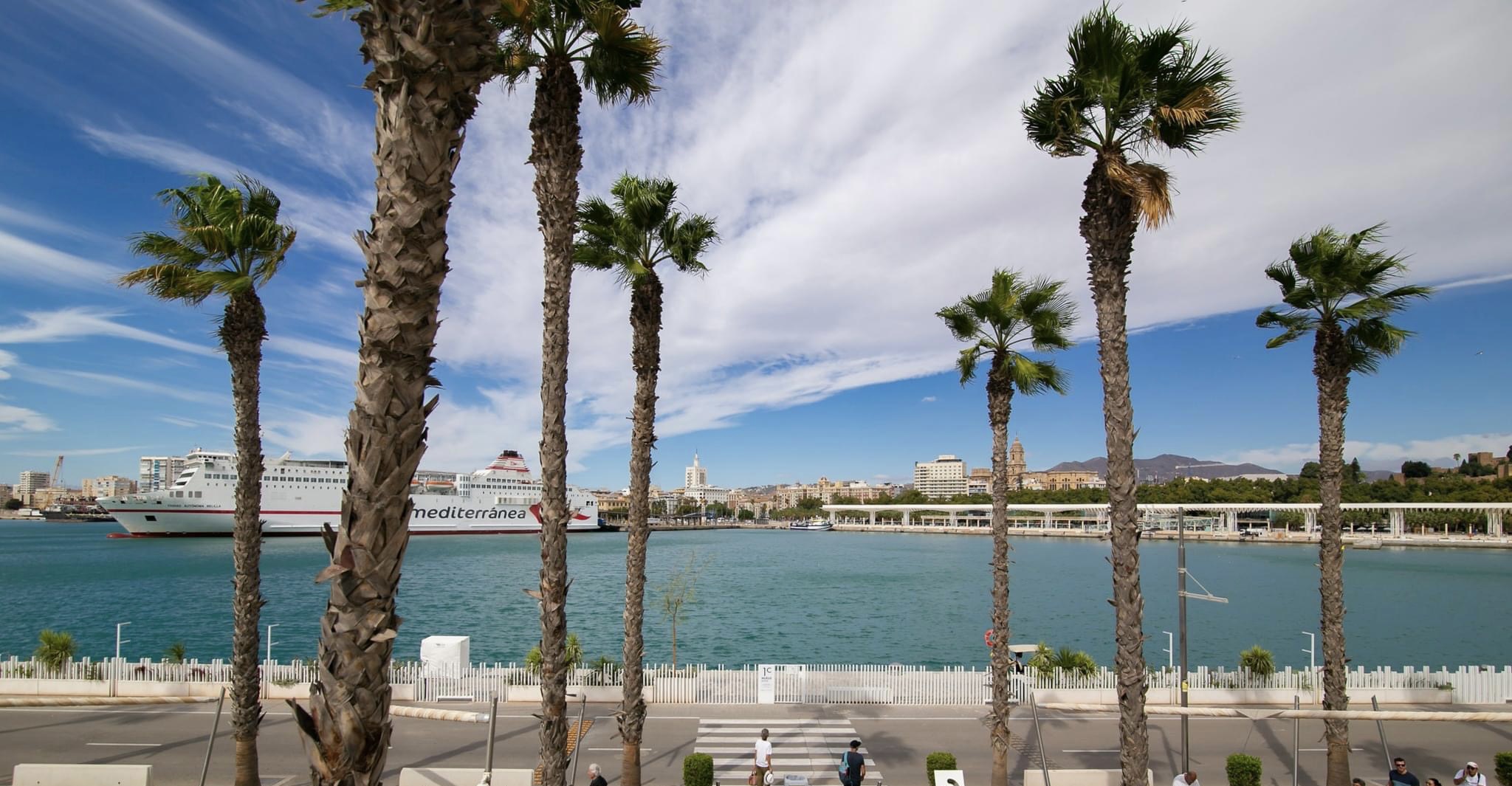
On Monday morning we caught our train back to Malaga, walked from Maria Zambrano train station through the city center, waving to all the cheering throngs- the waiters, bartenders, beggars, lottery sellers, pickpockets, and police who so clearly missed us. I can’t help repeating it: there’s no place like home.
 travel eat repeat